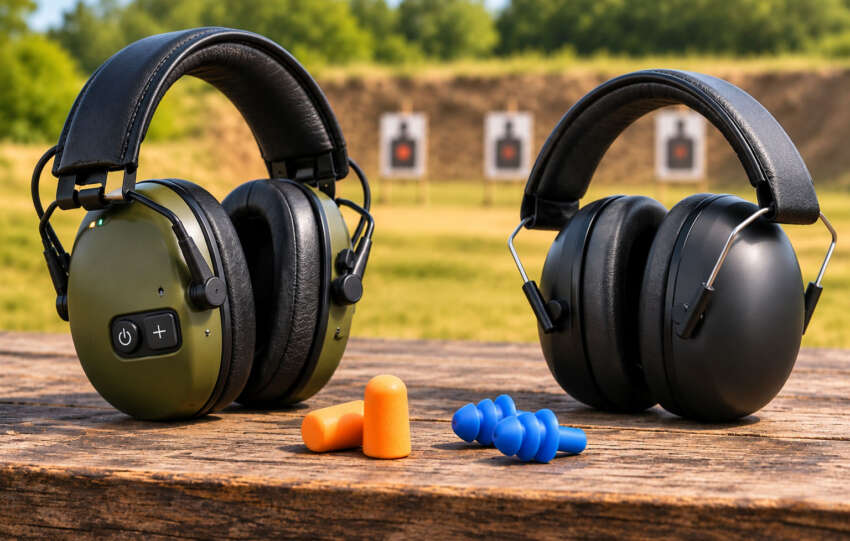

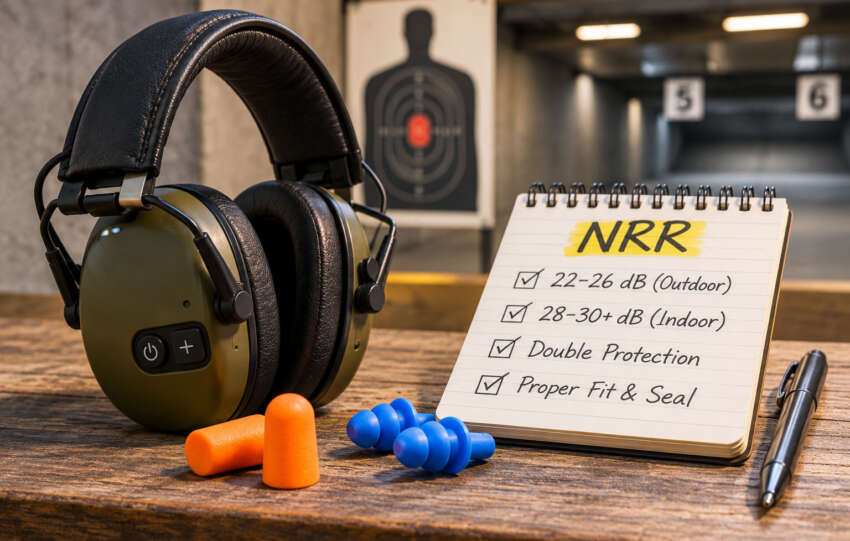
When shopping for shooting earmuffs or earplugs, you've probably noticed numbers like NRR 22, NRR 26, and NRR 33 printed on the packaging. But what do those numbers actually mean, and how much hearing protection do you need at the range?
NRR stands for Noise Reduction Rating. It's a standardized measurement used to compare how…
Choosing between electronic and passive hearing protection might seem like a simple decision, but the differences become noticeable once you're at the shooting range. Both are designed to reduce harmful noise from gunfire, yet they offer very different experiences when it comes to communication, comfort, and awareness of your surroundings.
Electronic hearing protection allows you…
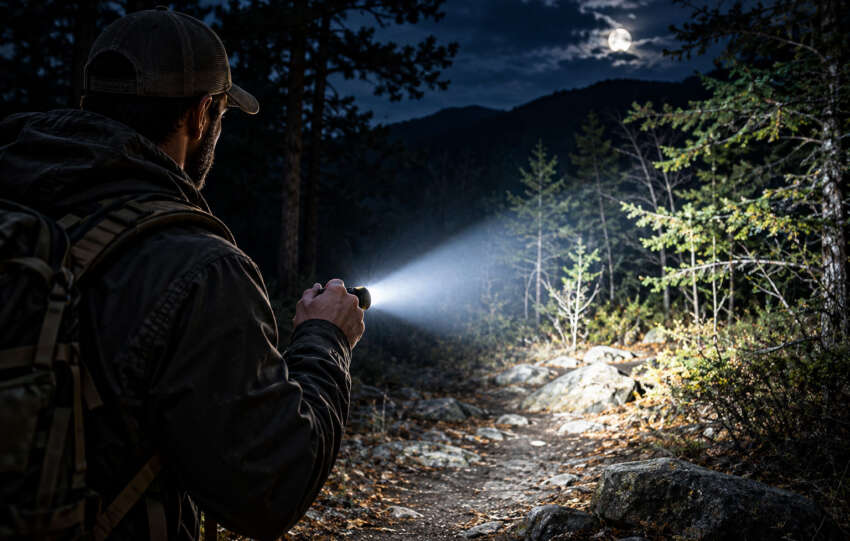
Not every flashlight needs to be a bulky tactical powerhouse. Sometimes the most useful light is the one you can comfortably carry every day, pull out when you need it, and put to work in more than one situation. That's where the WARSUN T9-PRO rechargeable flashlight comes in.
Designed around a slim, flat…
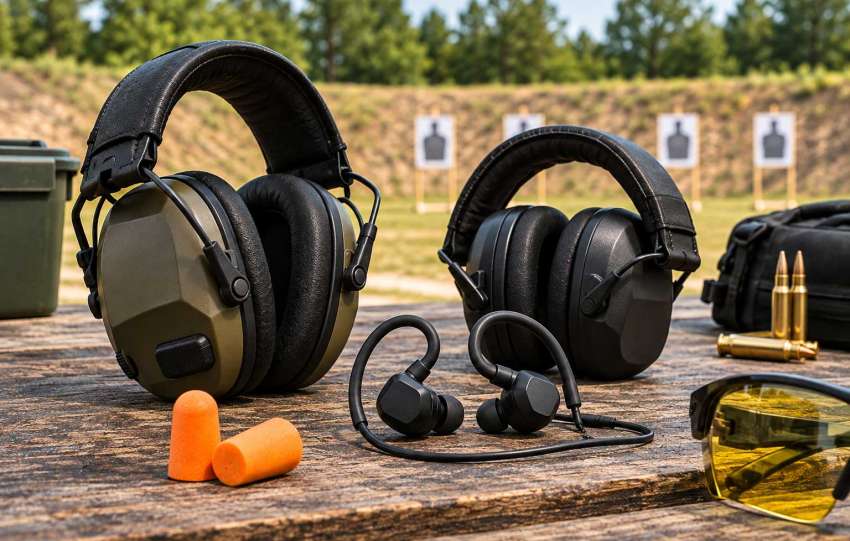
Gunfire is loud enough to cause permanent hearing damage in an instant, making reliable hearing protection one of the most important pieces of equipment you can bring to the range. Whether you're shooting handguns indoors, practicing with an AR-15, or spending the afternoon shooting clays, protecting your hearing should never be an afterthought.
Fortunately, good…
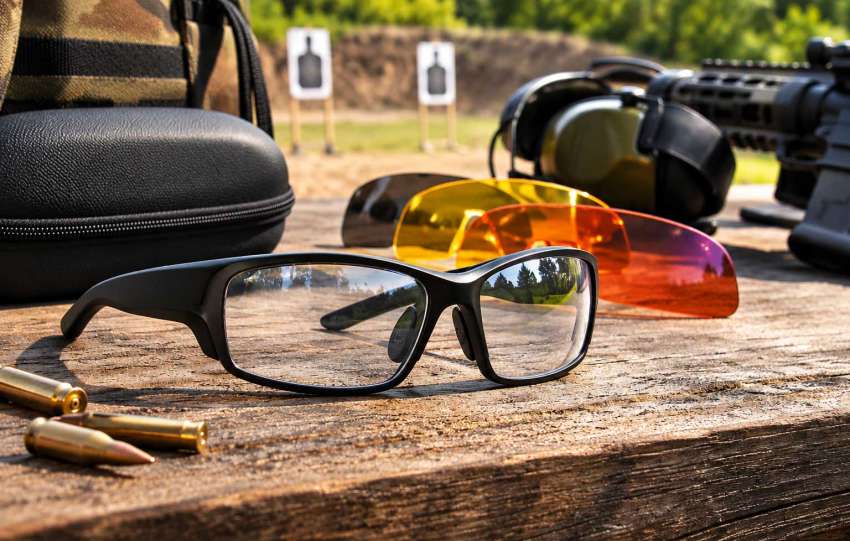
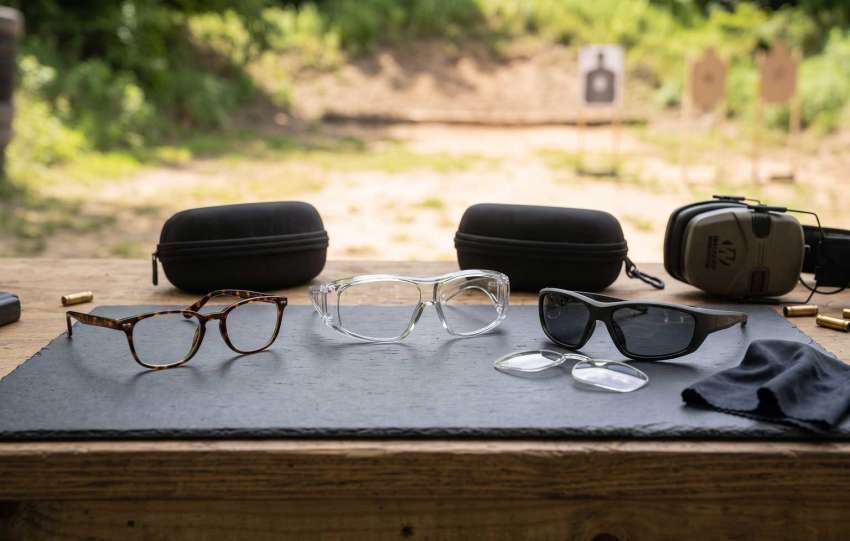
If you wear prescription glasses, you already know the frustration of trying to find shooting eyewear that provides clear vision, dependable protection, and a comfortable fit. Regular eyeglasses aren't necessarily designed to withstand the hazards of a shooting range, and wearing oversized safety glasses over your everyday frames isn't always comfortable.
The good news is…
If you wear prescription glasses, you might wonder whether they provide enough protection at the shooting range. After all, you're already wearing something over your eyes, so do you really need another pair of glasses?
The short answer is yes, you can shoot while wearing prescription glasses, but ordinary eyeglasses aren't necessarily designed to protect…
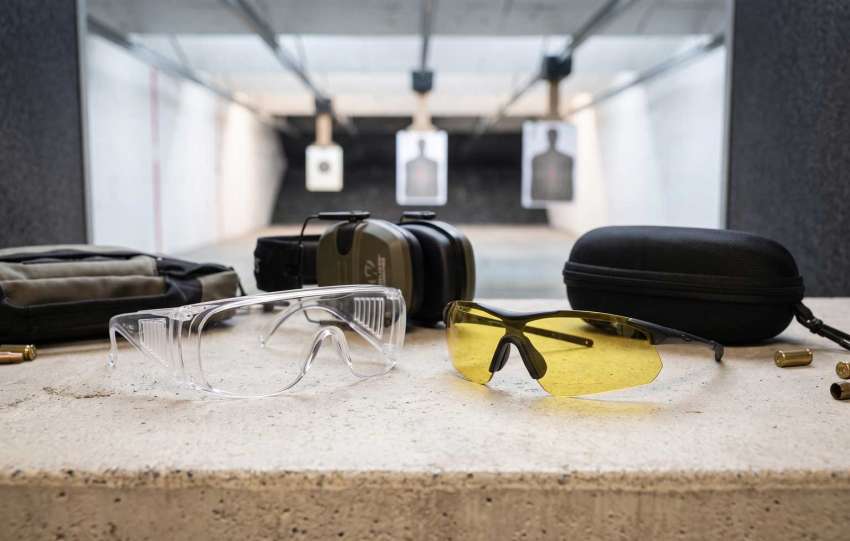
Walk into a hardware store or browse shooting glasses online, and you'll notice something interesting: many safety glasses look almost identical to eyewear marketed specifically for shooting. Some even carry the same impact ratings. So what's the actual difference, and do you really need shooting glasses for the range?
The short answer is that both…
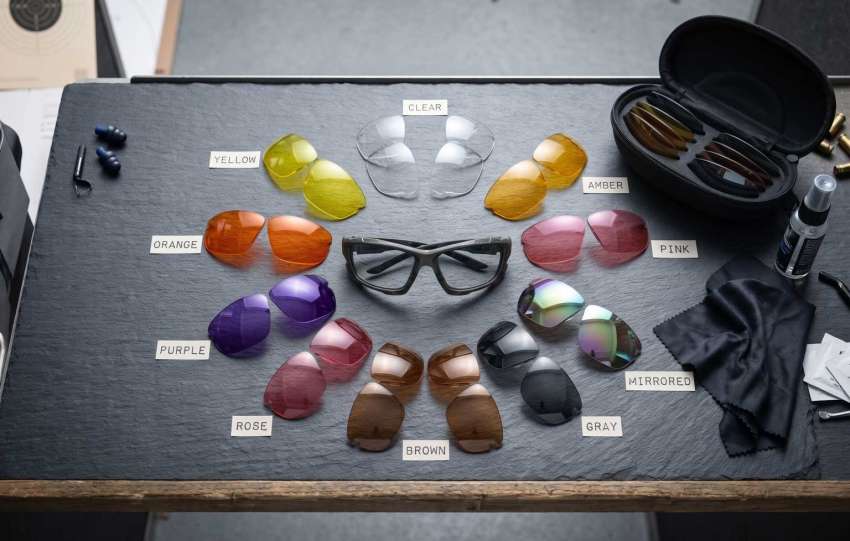
Choosing the right shooting glasses lens color can make a noticeable difference in how clearly you see your targets. Clear lenses work well indoors, darker tints help manage bright sunlight, and specialty colors can improve contrast when shooting against trees, grass, or changing backgrounds.
But with yellow, amber, orange, purple, copper, gray, and several other…
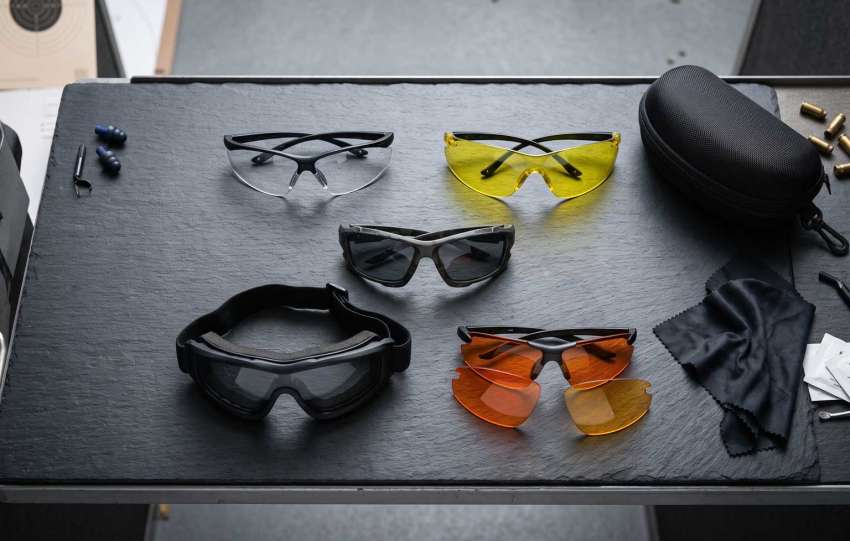
Not all shooting glasses are built the same. Some are designed for everyday range protection, while others offer enhanced impact resistance, specialized lens colors, or features that make them better suited for hunting, competitive shooting, and tactical use.
Choosing the right pair involves more than picking a frame that looks good. The level of protection,…
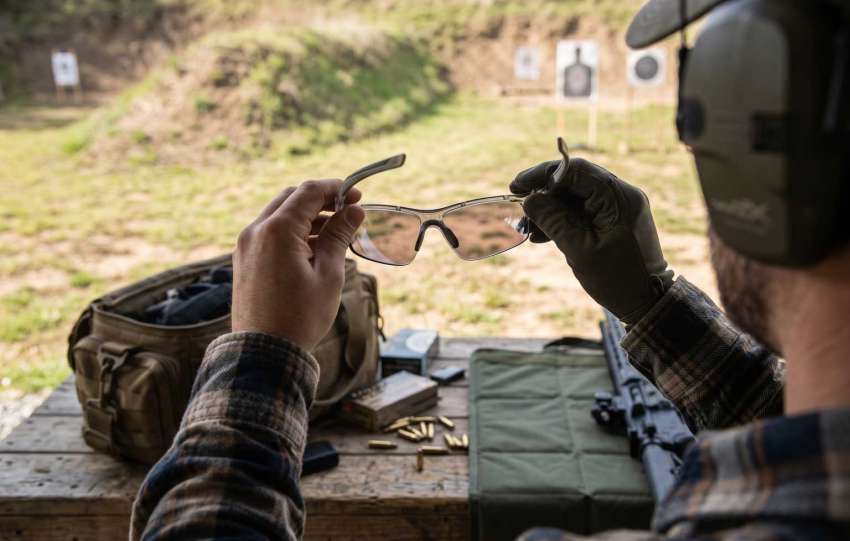
Good shooting glasses do more than keep dust out of your eyes. They protect against flying brass, powder residue, and debris while giving you a clear view of your target. Whether you're spending an afternoon at an indoor range or shooting outdoors in bright sunlight, the right pair makes a difference.
The good news? You…