



Understanding an AR-15 starts with knowing what makes it function as a complete system. At a basic level, the platform is built around two primary assemblies—the upper and lower receiver—but the actual ar 15 parts list extends well beyond those two components. Each part contributes to reliability, cycling, accuracy, and overall performance consistency.
A clear parts breakdown matters because it helps you understand how the platform operates, how components interact, and where decisions begin to affect performance. That context becomes especially useful when evaluating upgrades, diagnosing issues, or moving toward a complete build. A structured view of the system begins with the AR platform overview and extends into how each individual component fits into that larger design.
This guide walks through the complete AR-15 parts structure, explains how each component functions, and shows how those parts connect into a working system. It is written for readers who want clarity before making decisions, not just a list without context.
What Is Included in an AR-15 Parts List
An AR-15 parts list refers to the full set of components that make up the rifle’s operating system. These components are grouped into assemblies, with each group responsible for a specific function such as firing, cycling, or supporting control and ergonomics.
The platform is typically divided into two primary sections: the upper receiver assembly and the lower receiver assembly. Understanding the difference between these two is foundational, especially when comparing configurations like difference between upper and lower receivers.
Beyond those two assemblies, the system includes internal operating parts, external support components, and interface elements that affect how the rifle handles under different conditions. Each part has a defined role, and removing or altering one part changes how the entire system behaves.
Upper Receiver Assembly Components
The upper receiver assembly houses the components responsible for firing, gas operation, and projectile guidance. It directly influences accuracy, recoil characteristics, and cycling behavior.
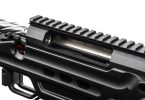
At the center of this assembly is the receiver itself, which acts as the structural housing for multiple internal parts. A deeper understanding of this section begins with the upper receiver structure, which defines how these components are contained and aligned.
Key upper assembly components include:
- Barrel
- Gas system (gas block and gas tube)
- Handguard
- Charging handle
- Forward assist (if present)
- Ejection port cover
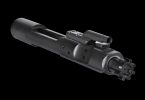
- Bolt carrier group (BCG)
The bolt carrier group is especially important because it controls chambering, firing, extraction, and cycling. Its operation is best understood in the context of how a bolt carrier group works, since it directly affects reliability and wear patterns.
Gas system design also plays a major role in how the rifle cycles. Different systems produce different recoil impulses and maintenance considerations, which is why comparisons such as direct impingement vs piston systems are commonly evaluated before selecting a configuration.
Lower Receiver Assembly Components
The lower receiver assembly contains the control group and interface components. It determines how the rifle is handled, how the trigger operates, and how energy is managed during cycling.
This assembly is built around the serialized receiver, which is legally considered the controlled component. A functional overview starts with the lower receiver structure, then expands into the parts that support firing and control.
Key lower assembly components include:
- Trigger group (trigger, hammer, disconnector)
- Safety selector
- Magazine release
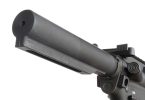
- Buffer tube
- Buffer and buffer spring
- Stock
- Pistol grip
The buffer system plays a key role in managing recoil and cycling speed. Its interaction with the bolt carrier group determines how smoothly the rifle operates over time. This relationship becomes clearer when looking at how AR rifles cycle, where the entire system is examined as a sequence rather than isolated parts.
For a more granular breakdown, a dedicated lower receiver components list helps clarify how each individual part contributes to control and function.
Internal Operating System Components
While upper and lower assemblies define structure, the internal operating system defines how the rifle actually functions. This includes the interaction between gas pressure, moving components, and return systems.
The AR platform is built around a modular operating principle, which allows parts to be swapped or configured based on use case. This flexibility is rooted in modular rifle design,
which explains why the system supports such a wide range of configurations.
At a broader level, understanding how these systems work also benefits from a general view of how firearms function at a basic level, since the AR platform builds on those same mechanical principles.
Internal components must be balanced correctly to maintain reliability. Over- or under-gassing, mismatched buffers, or incompatible parts can introduce cycling issues that affect long-term durability.
External and Supporting Components
External components do not directly affect firing mechanics, but they influence usability, ergonomics, and adaptability. These parts determine how the rifle feels and performs in practical use.
Common supporting components include:
- Optics and mounts
- Rail systems
- Grips and stocks
- Lights and accessories
- Sling systems
Selecting these components depends heavily on intended use. For example, sighting systems are not interchangeable in purpose, which is why guides such as choosing optics for an AR rifle focus on matching optics to application rather than listing options without context.
Accessory selection should be approached as a functional decision, not an aesthetic one. A structured approach to this is outlined through essential AR accessories, which prioritizes utility over volume.
How AR-15 Parts Work Together as a System
An AR-15 is not a collection of independent parts. It is a system where each component interacts with others in a defined sequence. The bolt carrier group cycles, the gas system regulates pressure, and the buffer system manages energy return.
This system-level interaction is what determines reliability. A properly balanced configuration maintains consistent cycling across different conditions, while mismatched components introduce variability.
Understanding how parts work together also makes it easier to evaluate differences between platforms, such as AR-10 vs AR-15 differences, where changes in scale and pressure requirements affect component design.
Material standards also influence compatibility. Differences outlined in mil-spec vs commercial AR parts can affect fitment, durability, and long-term performance consistency.
Use-Case Considerations and Tradeoffs
Not every configuration suits every use case. The same parts list can support different outcomes depending on how components are selected and combined.
For example:
- Lightweight builds prioritize reduced weight over durability
- Duty-oriented setups emphasize reliability and consistent cycling
- Precision builds focus on barrel quality and trigger control
Understanding parts helps clarify these tradeoffs. It also prepares you for decision-focused pages such as best upper receivers or best lower receivers, where those tradeoffs become part of the selection process.
Similarly, selecting core internal components like the BCG often leads to evaluating options such as reliable bolt carrier groups, where durability, coatings, and tolerances matter more than surface-level specifications.
Frequently Asked Questions
What are the main parts of an AR-15?
The main parts include the upper receiver assembly, lower receiver assembly, bolt carrier group, barrel, gas system, and buffer system. These components work together to control firing and cycling.
What part of an AR-15 is serialized?
The lower receiver is the serialized component. It is legally considered the firearm, which is why regulations often focus on which firearm parts are legally regulated.
Do all AR-15s use the same parts?
Most AR-15s share standardized components, but variations in specifications and tolerances mean not all parts are interchangeable without consideration.
What part affects reliability the most?
Reliability depends on system balance, but the bolt carrier group and gas system play the most direct roles in consistent cycling.
Can you build an AR-15 from parts?
Yes. The platform is designed for modular assembly, which allows builders to select components based on use case, budget, and performance goals.
Do accessories affect performance?
Accessories do not directly affect firing mechanics, but they influence usability, handling, and practical performance in different conditions.
Conclusion
A complete AR-15 parts list is more than a catalog of components. It is a framework for understanding how the platform operates, how parts interact, and how decisions affect performance over time.
Once you understand the structure, the next step becomes clearer. You can evaluate configurations, compare components, and move toward a setup that fits your intended use rather than relying on general recommendations.
That progression—from understanding to decision-making—is what turns a parts list into a practical tool.