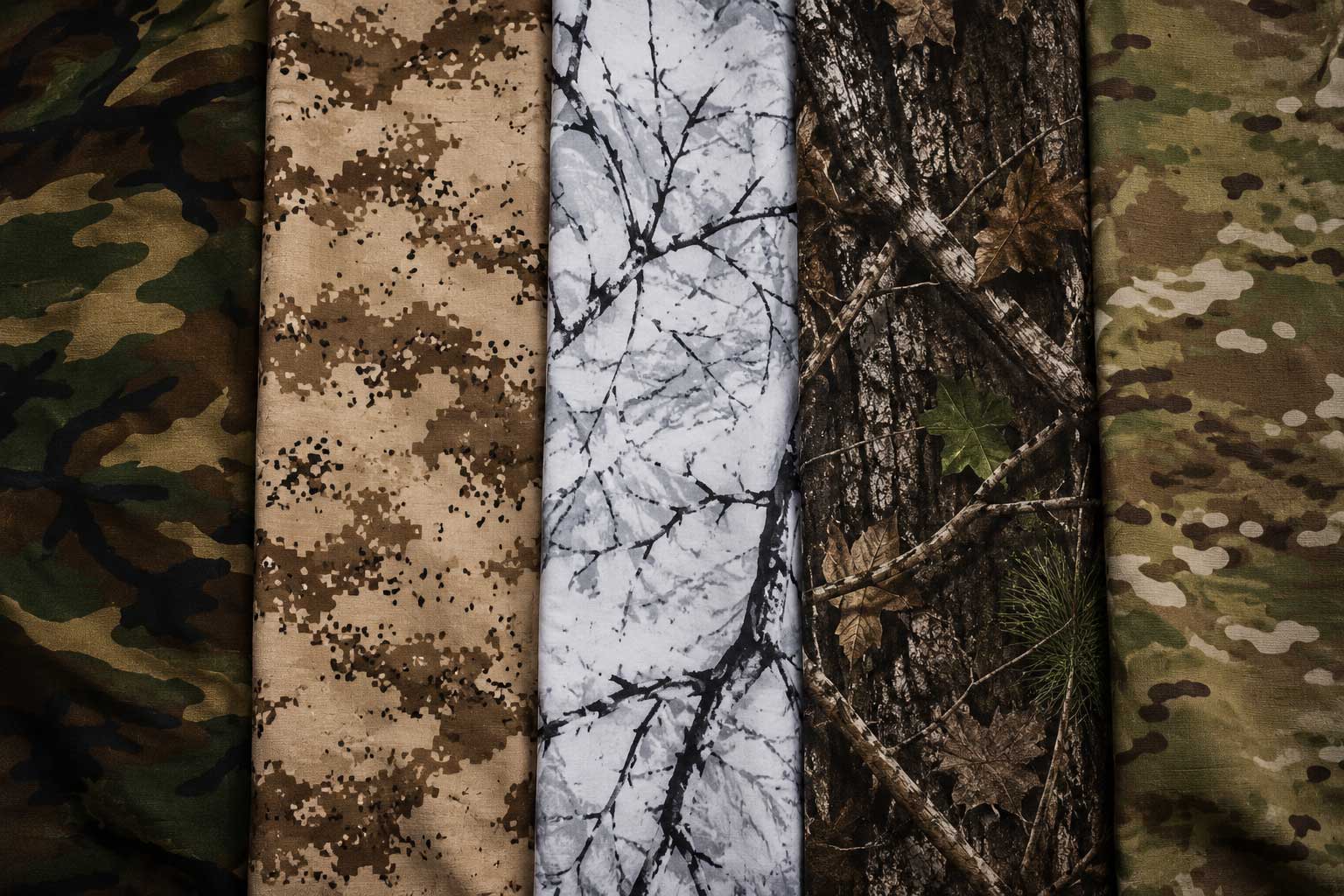

Most hunters spend too much time looking at camouflage brands and not enough time looking at the terrain they'll actually be hunting.
That's understandable. Marketing often focuses on pattern names, product lines, and new releases. The problem is that camouflage works because it matches the environment, not because of the logo printed on the tag.…

Understanding the different types of camo is less about memorizing pattern names and more about understanding why those patterns exist in the first place. Most camouflage discussions quickly turn into brand debates, pattern comparisons, and personal preferences. Those conversations can be useful, but they often miss the larger question.
The goal of camouflage is not…
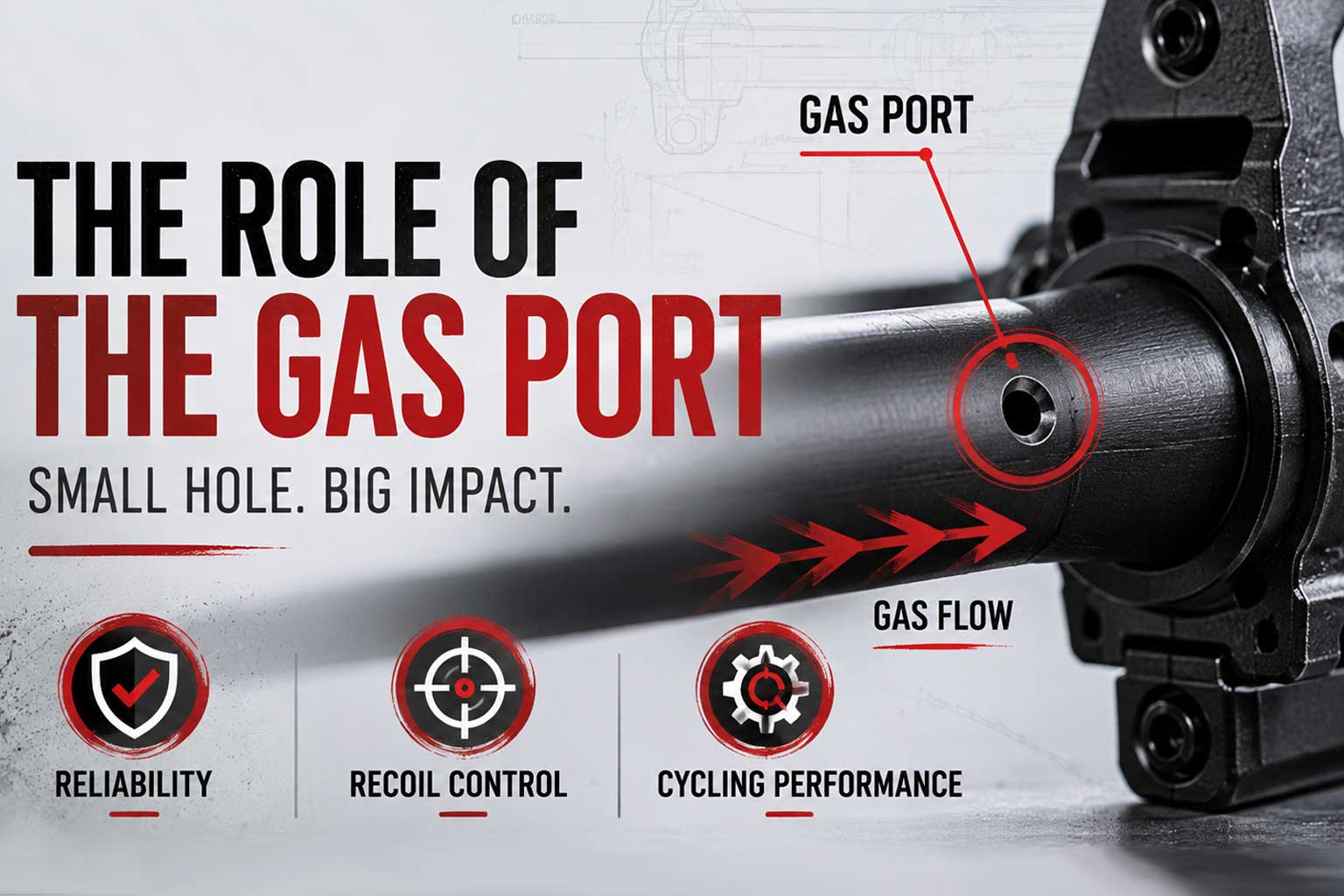
An AR-15’s gas port is a small hole drilled into the barrel, but its influence over rifle behavior is much larger than its size suggests. Gas port sizing affects how aggressively the rifle cycles, how much recoil impulse the shooter feels, how reliably the bolt carrier moves under different conditions, and how forgiving the system…
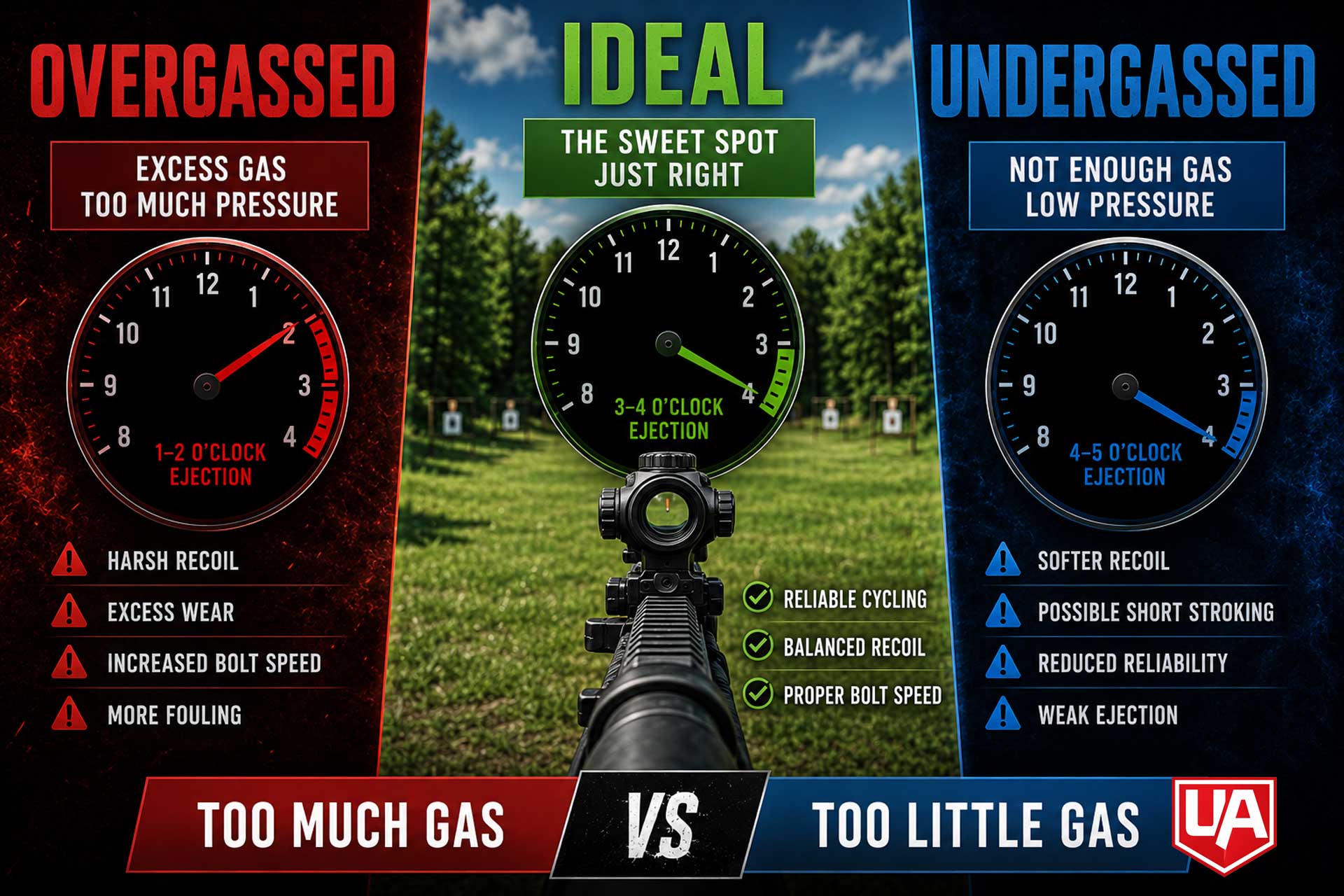
An AR-15 does not need excessive recoil or violent cycling to function reliably. In fact, the most dependable rifles usually operate within a fairly balanced gas window where bolt speed, extraction timing, and buffer resistance all work together predictably. When that balance shifts too far in either direction, the rifle begins showing symptoms that shooters…
The AR-15 gas system is the operating system that uses a portion of the expanding gases produced when a cartridge is fired to cycle the rifle's action. It provides the energy needed to unlock the bolt, extract and eject the spent casing, and prepare the rifle to chamber another round.
Most conventional AR-15 rifles use…
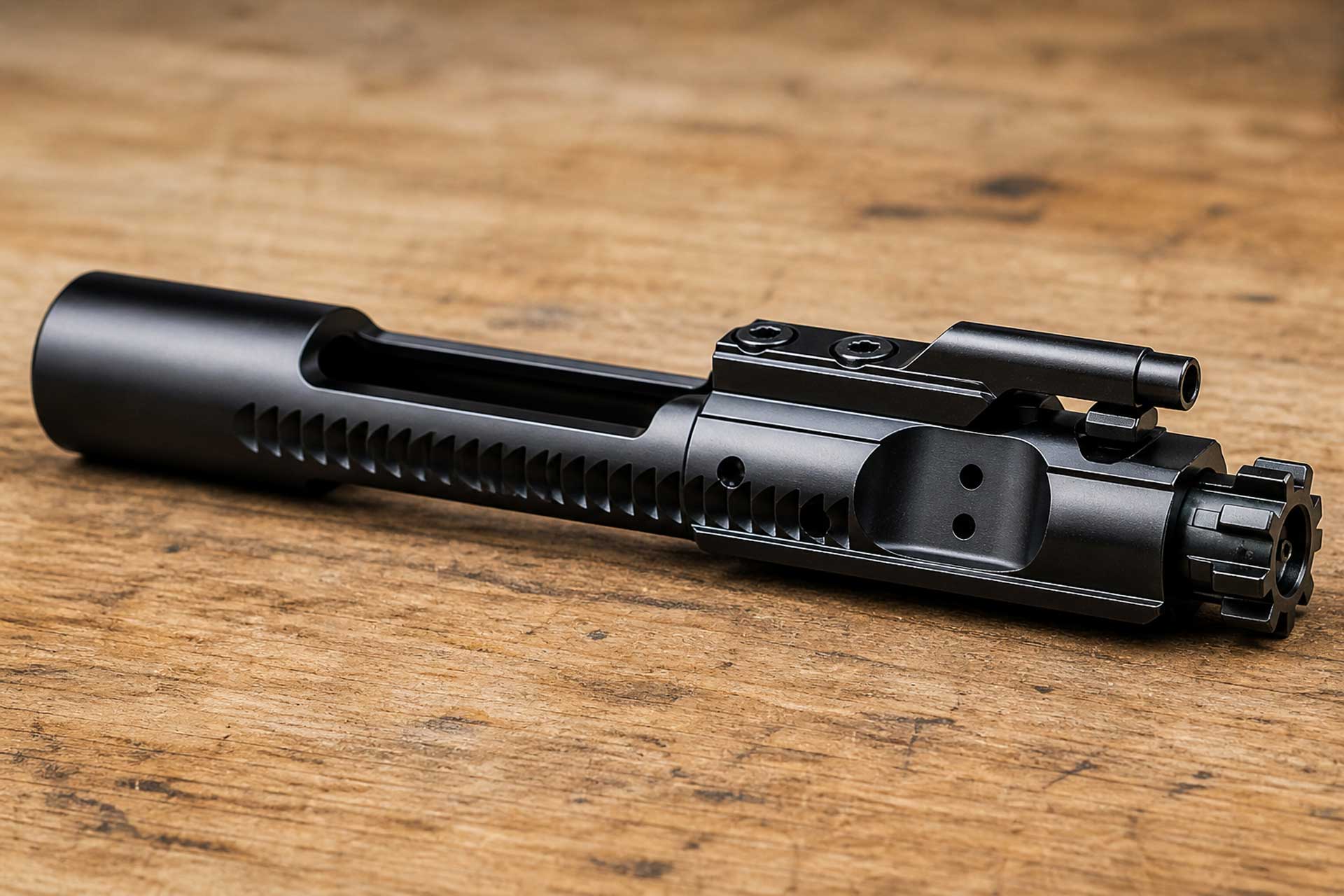
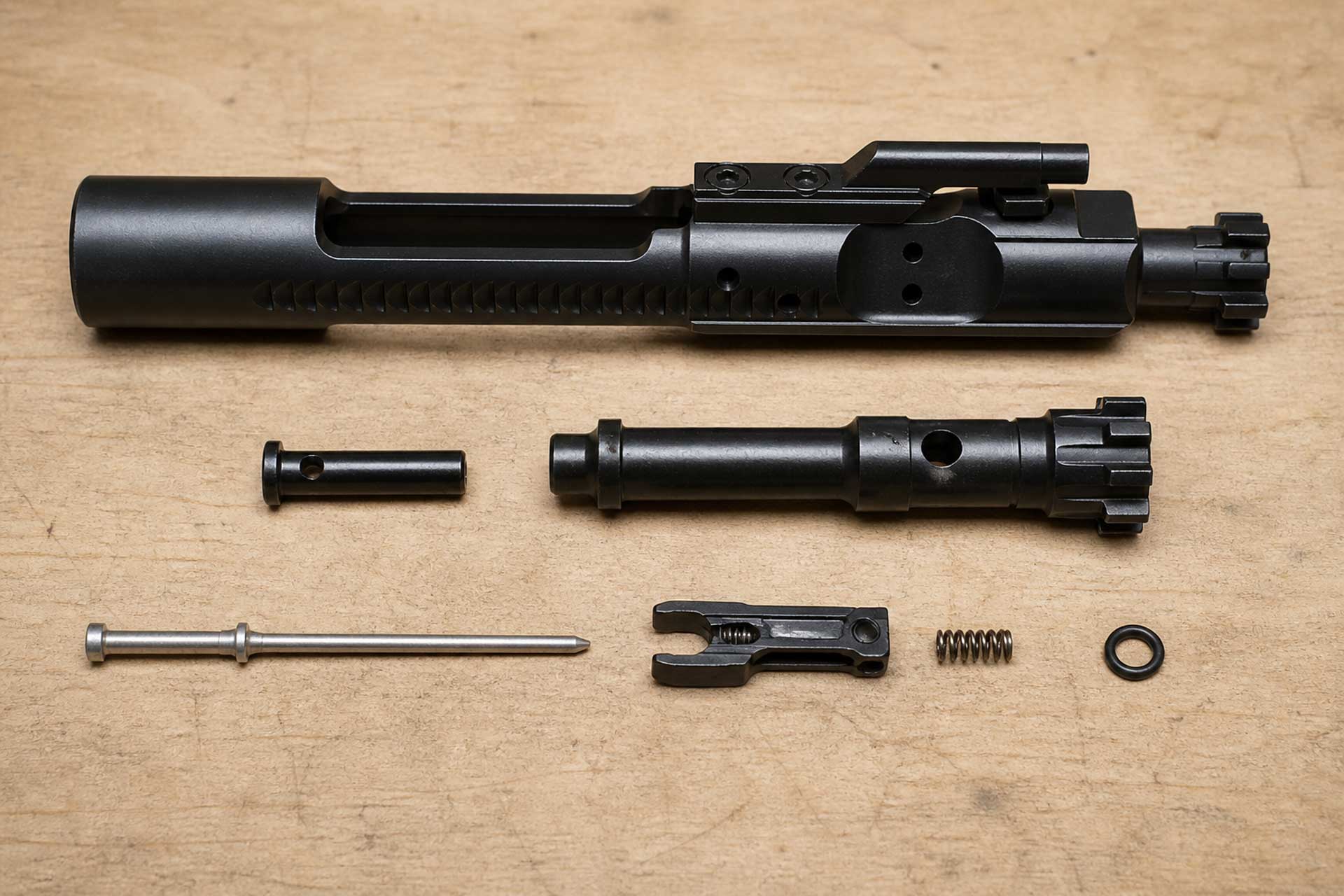
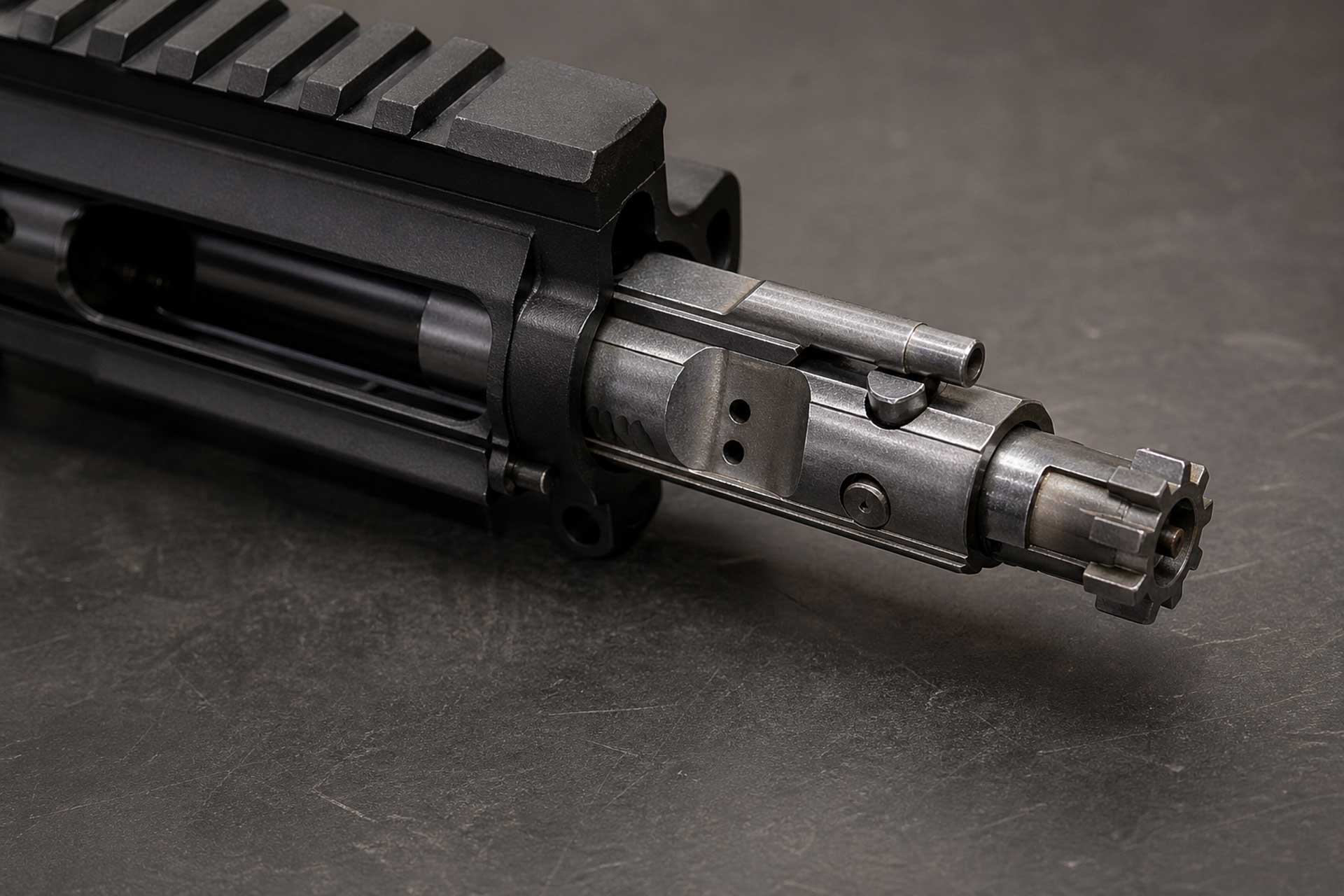
Choosing the right bolt carrier group is one of the most important decisions in any AR-15 build. It directly affects reliability, durability, cycling consistency, and how well your rifle handles different conditions. While many parts contribute to performance, the BCG sits at the center of the system, interacting with gas pressure, cycling speed, chambering, extraction,…
Bolt carrier group maintenance is one of the most practical skills you can develop as an AR-15 owner. It sits at the center of reliability, directly affecting how consistently your rifle cycles, how long components last, and how well the system performs under real-world use.
The bolt carrier group (BCG) handles feeding, firing, extracting, and ejecting—essentially…
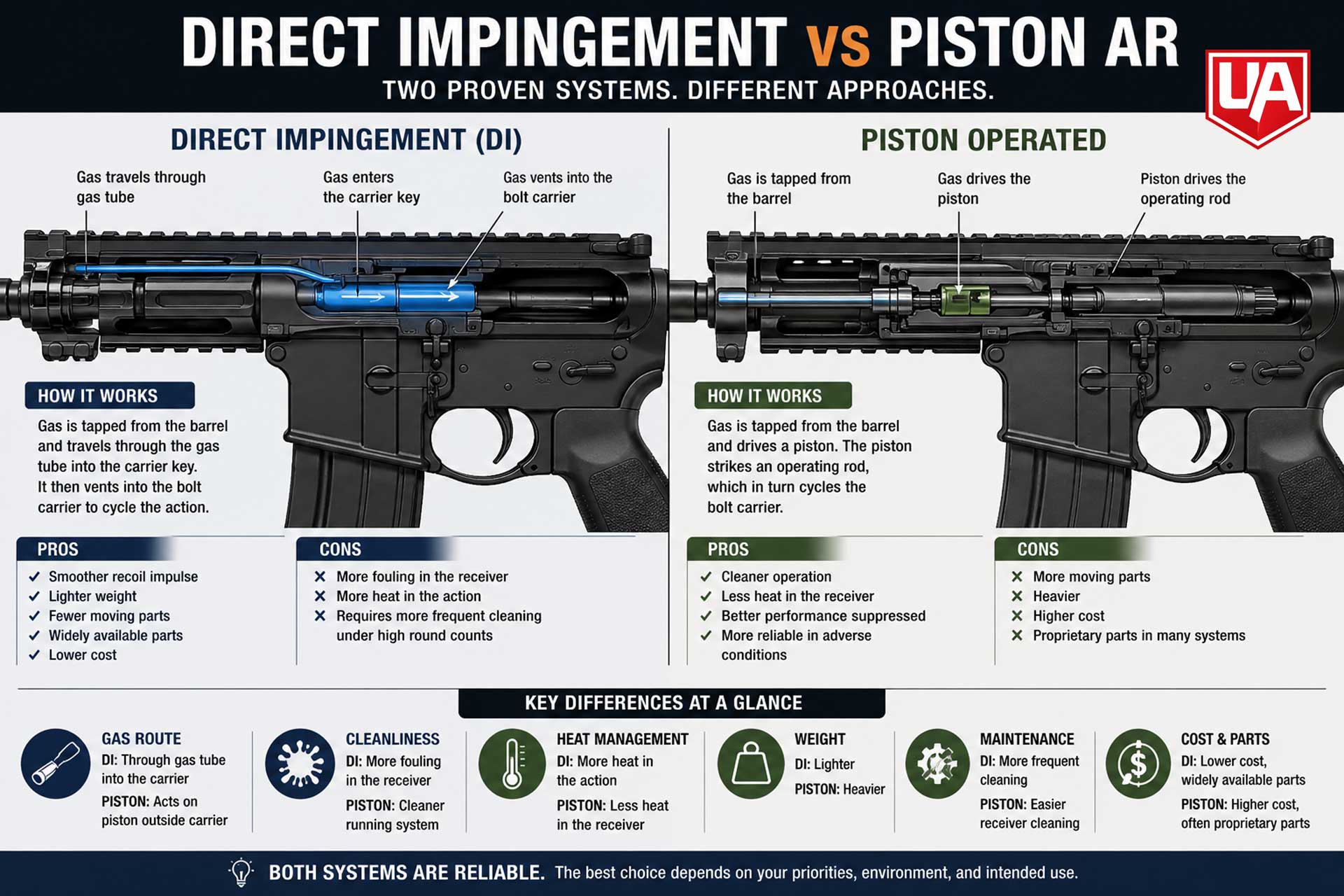
Choosing between a direct impingement (DI) system and a piston-driven AR isn’t just a technical preference—it directly affects reliability, maintenance, recoil behavior, and long-term build decisions. While both systems operate within the same platform, the way they manage gas and cycle the action creates meaningful differences that show up in real-world use.
At a high level,…
Understanding the AR-15 cycle of operations is the difference between simply owning a rifle and actually understanding how it functions under real conditions. This cycle is not just a sequence of mechanical events—it is a tightly timed system where gas pressure, component geometry, spring tension, and carrier movement all interact to produce reliable firing, extraction,…
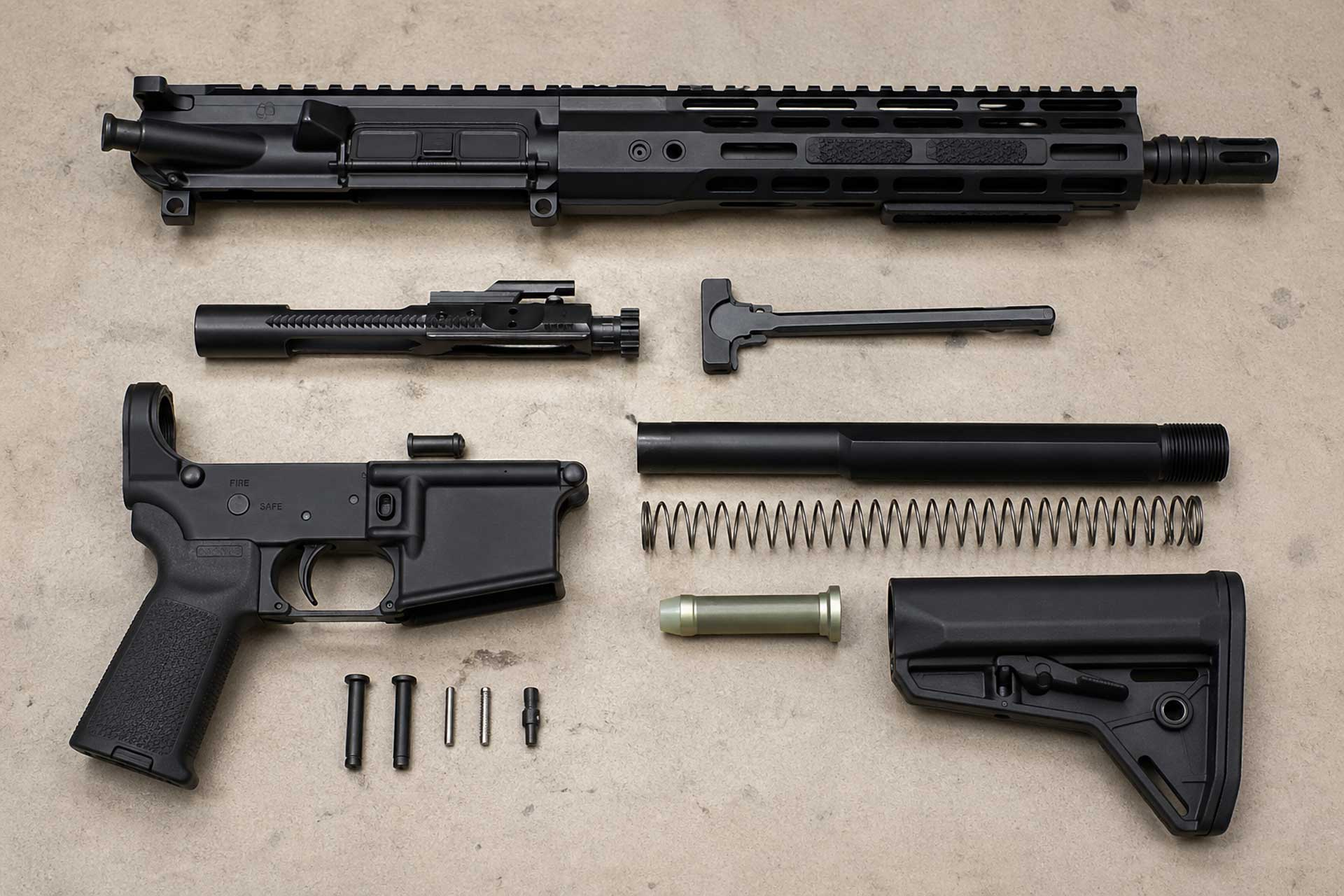
The AR platform is often described as modular, reliable, and adaptable—but those descriptions only make sense once you understand how the system actually functions. This is not a single-purpose rifle design. It is a system of interdependent components where each part influences how the others behave.
At a surface level, most people recognize the major components:…