



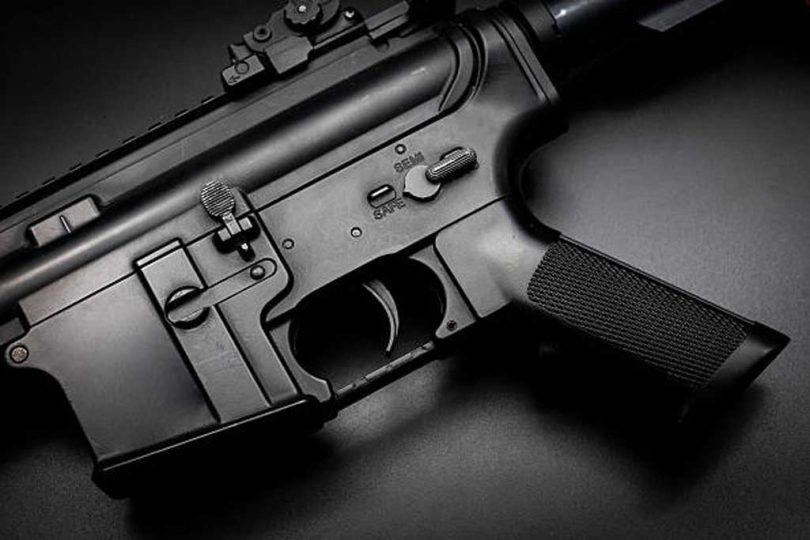

A lower receiver is the central structural component of an AR-15 platform. It houses the fire control system, supports major user controls, provides the magazine interface, and serves as the serialized portion of the firearm. While it cannot operate as a complete system by itself, it defines the platform both mechanically and legally.
Within the AR-15 architecture, the lower receiver acts as the control foundation. It connects user input, internal timing components, and external assemblies into one coordinated structure. When people evaluate platform quality, reliability, ergonomics, or long-term compatibility, they are often evaluating factors that begin with the lower receiver.
That is why understanding the lower receiver is one of the best ways to understand the AR platform as a whole. Rather than thinking of it as only the “bottom half” of the rifle, it is more accurate to see it as the point where control, structure, and classification come together. A broader system context helps make that role clearer in an AR platform overview.
It also helps to place the lower receiver within the wider family of platform parts. The relationship between assemblies, controls, and support components becomes easier to follow when viewed through a full complete AR-15 parts breakdown.
What Is a Lower Receiver?
The lower receiver is the bottom half of an AR-15-style firearm. It provides the structural base that supports the trigger system, safety selector, magazine well, grip interface, stock attachment point, and internal parts that manage firing and reset behavior.
It connects to the upper receiver with pivot and takedown pins. Once the upper and lower are joined, they form a complete operating platform. The lower receiver itself does not contain the barrel, chamber, or gas system, but it is still essential because it governs how the user interacts with the firearm and how the firing sequence is initiated.
In practical terms, the lower receiver functions as the platform’s control hub. Trigger movement begins here. Safety engagement begins here. Magazine insertion and release happen here. Grip angle, stock fit, and overall user handling all depend on this structure. That control-centered role becomes easier to appreciate when you first understand what an AR-15 is and how it’s structured.
Because it anchors so many core systems, the lower receiver is not just another part. It is the framework that holds together the controls, interfaces, and internal timing components that allow the rest of the platform to work as intended.
What Does a Lower Receiver Do?
The lower receiver translates user input into mechanical action. Its most important job is housing the fire control group, which includes the trigger-related parts that initiate the firing sequence and regulate reset between shots. It also provides the structure that keeps the magazine aligned, supports the recoil system through the rear extension interface, and maintains consistent control placement for the user.
Its primary responsibilities include supporting the trigger mechanism, aligning the magazine, mounting the grip and stock assembly, connecting to the upper receiver, and anchoring the rear portion of the recoil system.
When the trigger is pressed, the trigger rotates on its pin and releases the hammer. The hammer moves forward under spring tension and strikes the firing mechanism in the upper assembly. After a shot is fired, the operating parts cycle rearward. During that motion, the hammer is pushed back and temporarily retained by the disconnector. As the trigger is released, the system resets and prepares for the next shot.
Although chamber pressure, gas flow, and projectile movement happen in the upper assembly, the lower receiver controls the user-driven part of the cycle. That distinction matters. It shows why the lower receiver is central to timing and control even though it is not the location of every firing-related process. A broader explanation of how firearms function at a basic level gives helpful context for how these systems interact.
The lower receiver also shapes the subjective feel of the platform. Trigger consistency, selector engagement, magazine seating, and ergonomics all influence how predictable and comfortable the system feels in actual use. That means lower receiver quality affects more than technical function alone. It also affects confidence, handling, and overall platform experience.
Main Parts of a Lower Receiver
The lower receiver includes both the receiver body itself and a range of installed components that work together as a single system. Thinking about those parts in isolation can be misleading because their value comes from how well they interact. For a more detailed reference, this lower receiver components list is a useful companion resource.
Trigger Group
The trigger group typically includes the trigger, hammer, and disconnector. These parts determine how the firing sequence begins and how the system resets between shots. Differences in geometry, finish, manufacturing precision, and spring weight can affect pull feel, reset quality, and consistency.
Magazine Well
The magazine well is machined into the receiver body and positions the magazine in relation to the upper assembly. Proper alignment matters because it affects insertion feel, retention, and reliable feeding. Even small dimensional differences can change how magazines seat and release.
Safety Selector
The safety selector controls whether the trigger can move. It works with a detent and spring to create positive positions. A well-fitted selector feels distinct and repeatable, while poor fitment can lead to vague engagement or inconsistent control feel.
Buffer Tube Interface
The rear threaded section of the lower receiver connects to the extension that houses recoil-related components. Because this interface supports alignment and return motion, machining quality here matters for reliable operation and long-term durability.
Grip Mount and Control Hardware
The grip mount secures the pistol grip and also helps retain small but important internal parts such as springs and detents. Other hardware, including pins and control levers, may appear minor, but these details strongly influence overall fit, feel, and functional consistency.
When these components are properly dimensioned and fitted, the lower receiver becomes a stable control platform rather than a simple shell. For a more process-oriented explanation of component interaction, it also helps to understand how a lower receiver works.
Why the Lower Receiver Is Considered the Firearm
The lower receiver is the serialized component of the AR-15 platform. In legal and commercial terms, that means it is the part treated as the firearm, even though it does not function independently as a complete weapon system.
This classification is tied to the lower receiver’s role as the housing for the fire control group and its position as the central structural unit that connects major assemblies. In other words, it is regulated because it defines the core controlled portion of the platform. That distinction becomes clearer when looking at which firearm parts are legally regulated.
This often creates confusion for beginners. Many assume the regulated part must be the barrel or the upper assembly because those components are more obviously involved in chambering and firing. On the AR-15 platform, however, regulation follows the receiver structure and the fire control housing rather than independent pressure-bearing function.
Because laws and rules can vary by jurisdiction and can change over time, readers should always verify any compliance question against current authoritative sources. From a platform-education standpoint, though, the important point is that the lower receiver is the legally recognized core component.
Stripped vs Complete Lower Receiver
Lower receivers are commonly sold in two main forms: stripped and complete. The choice between them affects not only assembly requirements, but also customization, purchasing strategy, and how much control the buyer wants over the final configuration.
Stripped Lower Receiver
A stripped lower is a bare receiver with no internal parts installed. This option appeals to builders who want to select every component themselves, from the trigger group to the grip, selector, and stock-related parts.
The main advantage of a stripped lower is flexibility. It allows a user to prioritize specific features and spread purchasing decisions over time. The trade-off is that it requires more knowledge of part interaction, fitment, and assembly considerations. A detailed look at stripped vs complete lower receiver helps explain those trade-offs more fully.
Complete Lower Receiver
A complete lower includes the major control and support parts already installed. In many cases that means the fire control group, selector, grip, receiver extension, and stock assembly are already in place. This simplifies setup and reduces the number of decisions required before the platform can be paired with an upper.
For many buyers, a complete lower offers a more straightforward starting point because it combines convenience with a pre-assembled control system. Readers who want to review ready-to-use options can browse complete lower receiver options.
The best choice depends on the balance between convenience and customization. A stripped lower suits people who want granular control. A complete lower suits those who prefer speed, simplicity, or factory-assembled consistency.
Lower Receiver vs Upper Receiver
The AR-15 platform is divided into two major assemblies with different roles. The lower receiver serves as the control interface and structural base, while the upper receiver contains the barrel, chamber-related systems, and most of the firing-cycle hardware.
This division is one of the main reasons the platform is considered modular. The lower largely determines how the user interacts with the system, while the upper largely determines how the system handles firing, cycling, and ballistic performance. A direct look at the difference between upper and lower receivers makes that contrast easier to understand.
That comparison also helps correct a common misconception: the lower receiver is essential, but it is not the single source of every performance outcome. It influences control and consistency, while the upper assembly plays the larger role in projectile-related performance.
Readers who want to continue that comparison from the other side can also explore this guide to the upper receiver.
How the Lower Receiver Fits Into the AR-15 System
The lower receiver matters because it connects the user to the operating system of the firearm. It interfaces with the upper, houses the fire control group, supports the magazine, anchors the grip and stock, and provides the structure that turns separate components into a coordinated platform.
This is where modularity becomes especially important. Because the AR-15 is built around interchangeable assemblies, the lower receiver often remains the stable control foundation while other parts vary. That design logic is part of a wider modular rifle design.
It also helps explain why the lower receiver is so often the subject of both technical and buying questions. It sits at the intersection of ergonomics, compatibility, assembly strategy, and legal classification. Few other parts touch so many categories of decision-making at once.
Materials and Manufacturing Methods
Lower receivers are commonly produced from aluminum alloys such as 7075-T6 or 6061-T6, although polymer versions also exist. The material and manufacturing method affect weight, rigidity, machining detail, durability, and cost.
Forged Receivers
Forged receivers are formed under pressure and then machined to final dimensions. They are widely used because they provide an effective balance of strength, reliability, and manufacturing efficiency. For many general-purpose builds, forged lowers remain the standard reference point.
Billet Receivers
Billet receivers are machined from a solid block of material. This allows for more freedom in external shaping and feature design. Billet options are often selected for specialized builds, visual preferences, or additional machining features.
Polymer Receivers
Polymer receivers are usually lighter and less expensive, but they are often evaluated more cautiously because long-term wear characteristics at stress points may differ from aluminum designs. Their suitability depends heavily on intended use and user priorities.
Material choice should be evaluated in context rather than by assumption. The “best” receiver material depends on the balance between use case, expected wear, cost, and feature priorities.
Compatibility, Fitment, and Tolerances
Most AR-15 lower receivers follow common dimensional standards, but real-world tolerance differences still matter. Those differences can affect upper-to-lower fit, selector engagement, trigger consistency, and how magazines seat and release.
A tighter fit is not automatically superior, and a looser fit is not automatically a defect. In many cases, the more important factor is consistency. A receiver that is dimensionally stable and well-machined tends to provide a more predictable experience than one with uneven tolerances at key interface points.
These fitment questions become even more important when considering related systems such as cycling and operating method. For example, understanding how AR rifles cycle adds context for how timing and alignment influence the overall platform.
Likewise, lower receiver fitment should not be considered in isolation from the parts it supports. The interaction between the fire control group, receiver extension, and upper assembly all influence how refined or inconsistent the final system feels.
How the Lower Receiver Relates to Cycling and Operating Systems
Even though the lower receiver is not the location of the gas system or bolt movement, it still contributes to how the operating cycle is experienced by the user. The trigger reset, hammer control, receiver extension alignment, and stock interface all shape the practical rhythm of the firearm.
That is why lower receiver discussions often lead into related topics such as how a bolt carrier group works and direct impingement vs piston systems.
Those subjects belong primarily to the upper and operating system side of the platform, but they still connect back to the lower receiver because control feel and cycling experience are never fully isolated from each other.
How to Evaluate a Lower Receiver
Evaluating a lower receiver means looking beyond labels such as forged, billet, stripped, or complete. A strong evaluation considers material, machining consistency, finish quality, control feel, intended use, and compatibility with the rest of the planned setup.
For buyers prioritizing practical choices, market comparisons can also help. For example, articles covering best lower receivers or best upper receivers can provide a more purchase-oriented perspective once the underlying platform concepts are clear.
Likewise, a lower receiver rarely exists as a decision in total isolation. Buyers often evaluate it alongside complete setups, supporting parts, and build pathways such as complete AR build kits, recommended bolt carrier groups, and essential AR accessories.
At the same time, not every build goal is identical. A buyer choosing between platform sizes or standards may also benefit from understanding AR-10 vs AR-15 differences and mil-spec vs commercial AR parts before making final component decisions.
Even finishing choices beyond the receiver itself can shape the final use experience. That is why later-stage decisions such as choosing optics for an AR rifle often make more sense after the lower receiver and core system choices have already been clarified.
Common Misconceptions About the Lower Receiver
The lower receiver is a complete firearm in functional terms
The lower receiver is legally treated as the firearm, but it is not a complete functioning system on its own. Legal classification and standalone operating capability are not the same thing.
All lower receivers are basically identical
While most lowers follow shared platform standards, differences in machining, finish, tolerance control, and feature layout can meaningfully affect fit, feel, and compatibility.
The lower receiver determines accuracy
The lower receiver matters for control consistency, but ballistic precision is influenced more directly by the upper assembly, barrel, ammunition, and related factors.
Price automatically predicts quality
Higher cost may reflect added machining, branding, or extra features, but suitability still depends on the intended application. A straightforward forged lower may be a better fit than a premium billet option for many general-purpose uses.
FAQ
Is the lower receiver the actual firearm?
Yes. It is the serialized component and legally treated as the firearm.
Can you buy a lower receiver separately?
Yes. It is available as a standalone component in both stripped and complete forms.
What’s included in a complete lower receiver?
A complete lower typically includes the trigger group, controls, receiver extension interface, and stock-related assembly parts.
Do all AR-15s use the same lower receiver?
Most follow shared platform standards, but tolerances, features, and compatibility details can still vary between manufacturers.
Why is the lower receiver serialized?
It is designated as the controlled component because it houses the fire control system and serves as the core regulated receiver structure.
Conclusion
The lower receiver defines the structural and functional foundation of the AR-15 platform. It houses the fire control system, supports the essential user controls, anchors critical interfaces, and serves as the serialized component recognized as the firearm.
Understanding its role makes the rest of the platform easier to evaluate. It clarifies the difference between control and operating systems, explains why certain parts are regulated differently, and helps buyers compare stripped, complete, technical, and money-page options from a more informed position. For anyone trying to understand the AR-15 platform at a foundational level, the lower receiver is not just a part worth knowing. It is one of the best places to begin.








Leave a Comment