


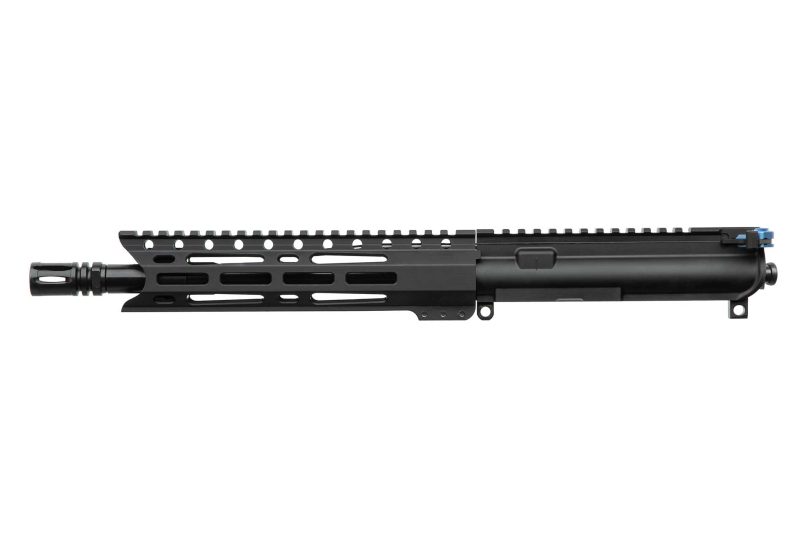

Choosing the best AR upper receiver is not just about picking a brand or price point. It is about understanding how the upper assembly shapes the rifle’s performance, configuration, and intended role. For most buyers, the upper receiver is where the majority of functional decisions are made. Barrel length, gas system, rail space, muzzle setup, and overall handling all begin here.
If you already understand AR platform fundamentals, the next step is evaluating how different upper configurations translate into real-world use. The upper receiver is not just another part in the system. It defines how the rifle behaves at the front end, what accessories it can support, and how adaptable it will be as your needs change.
This guide is for readers who are ready to choose, not just learn vocabulary. Whether you are assembling a first rifle, upgrading an existing setup, or comparing complete configurations, the goal here is to provide a durable way to evaluate options without relying on hype, vague rankings, or spec-sheet theater. A good upper should make sense in context. It should match the job you actually need the rifle to do.
It is not for readers looking for a basic definition page or a full build manual. If that is where you are, starting with what an upper receiver is and difference between upper and lower receivers will make this page more useful. Once those distinctions are clear, buyer decisions become much easier to make well.
What an AR upper receiver actually controls
The upper receiver assembly governs the forward operating half of the rifle. It supports the barrel, guides the bolt carrier group, interfaces with the handguard, and sets the foundation for gas system behavior and muzzle configuration. That is why it often carries more performance weight than buyers realize at first.
This becomes easier to see through an AR-15 parts overview, because the platform divides responsibilities across major assemblies. The lower handles controls, support interfaces, and magazine housing. The upper handles the forward operating geometry and much of the rifle’s actual shooting behavior. In practical terms, if you change the upper, you can change how the rifle feels, cycles, balances, and performs.
That includes barrel length and profile, gas system length, handguard type, rail space, muzzle device compatibility, and how the action works under pressure. Those choices tie directly to AR-15 gas system function and the broader rifle cycling process. Why this matters is simple: if your goal is reliability, recoil behavior, front-end handling, or accessory placement, the upper is where those decisions live.
That does not mean the upper works in isolation. It means the upper is the most direct place to shape the rifle’s forward performance. Buyers who understand that tend to make cleaner choices earlier and spend less money correcting mismatched configurations later.
How to evaluate an upper receiver before buying
Most buying mistakes happen because readers evaluate uppers as single products instead of as systems. A complete upper may look straightforward on a retailer page, but the right question is not whether it looks good or comes from a known brand. The right question is whether the configuration matches the job.
A better evaluation model starts with four categories. First, look at configuration type: complete upper versus stripped upper, included bolt carrier group, included charging handle, rail length, and barrel length. Second, look at the operating system. Questions around direct impingement or piston operation matter because they affect weight, maintenance, recoil character, and long-term parts choices.
Third, check fit and compatibility. Barrel and gas system pairing, receiver dimensions, handguard interface, and bolt carrier group compatibility all matter more than buyers sometimes expect. A good-looking upper that creates friction with the rest of the build is not a good value. Fourth, define intended use before comparing price. A range rifle, a general-purpose rifle, and a more performance-focused setup do not benefit from exactly the same priorities.
This is where modular rifle design becomes practically useful rather than theoretical. The AR platform gives you room to tune the system, but that same flexibility makes poor matching easier if you are buying on features instead of use case. A strong upper evaluation process reduces noise and keeps you focused on the role the rifle actually needs to fill.
Best AR upper receivers by use case
There is no single best upper receiver for every buyer. There are only better choices for specific roles. That is the right frame for a money page like this one. The job is not to crown a universal winner. It is to narrow the field based on what the rifle needs to do.
For general-purpose use, a 16-inch upper with a mid-length gas system remains the safest recommendation for most buyers. It balances handling, recoil behavior, compatibility, and rail space without creating unnecessary specialization. This kind of setup fits a wide range of use cases and pairs well with a complete AR parts list when you are mapping the rest of a build.
For budget-oriented buyers, the strongest choice is usually a simple, proven configuration rather than a feature-heavy one. A straightforward complete upper with standard dimensions and solid QC is almost always a better purchase than a flashy upper that uses its budget on cosmetic extras. This is also where common AR build mistakes tend to show up. Buyers try to get too specialized too early, then spend more correcting the result.
For performance-focused setups, better uppers justify themselves through tighter tolerances, stronger barrels, refined gas behavior, and cleaner system integration. At that point, the discussion naturally starts overlapping with how how the bolt carrier group works under live fire, because upper quality is not only about materials. It is also about how smoothly the system functions together.
For lightweight or fast-handling builds, shorter and lighter uppers make sense, but only if the buyer accepts the tradeoffs. A lighter front end can improve handling and comfort, especially for long range sessions or movement-heavy use, but it may reduce flexibility, heat tolerance, or margin for rougher use. The right upper is the one that does the intended job without forcing the rifle into a role it was not built to fill.
Tradeoffs that actually matter
Every upper receiver decision involves tradeoffs. Ignoring them is one of the fastest ways to end up with a rifle that looks right on paper but feels wrong in practice. The purpose of comparison is not to eliminate tradeoffs. It is to choose the ones that fit your use case.
Barrel length affects both handling and ballistic performance. Shorter uppers are easier to maneuver and lighter out front, but they give up some velocity and can become more particular about gas behavior. Longer uppers offer more velocity and often a steadier shooting feel, but they add bulk and weight. Rail length introduces a similar tension. More rail space improves flexibility for accessories and hand placement, but it also adds weight and can push the build away from its original purpose.
Gas system choices matter too. A softer-shooting upper may feel better during long sessions, but the value of that advantage depends on the build’s intended role. Buyers who do not understand this often end up comparing incompatible expectations instead of comparing products. That is one reason AR-10 versus AR-15 differences can become relevant during upper evaluation. Once platform assumptions change, expectations around weight, recoil, and configuration can shift with them.
There is also a simplicity-versus-modularity tradeoff. A more configurable upper can open future options, but that flexibility often adds cost, complexity, and the need for more informed part selection. If you do not expect to reconfigure the rifle repeatedly, the cleanest upper is usually the one that already matches your use case rather than the one with the longest theoretical upgrade path.
Where upper receivers fit in a full build decision
The upper receiver is often the most visible part of the build decision, but it should never be treated as the whole decision. The rifle only makes sense as a system. A strong upper still has to fit the lower, the intended configuration, and the broader role of the rifle.
That is easier to understand once you connect the upper to what a lower receiver is and to AR-15 lower receiver function. The upper drives forward performance and configuration. The lower governs controls, support interfaces, and the central base of the rifle. Buyers make better upper decisions when they stop treating the rest of the rifle as background.
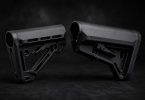
This is also where legal and support-side considerations can matter more than expected. Understanding which firearm parts are serialized helps buyers place the upper correctly inside the full system rather than confusing it with the regulated core. The same is true for rear-end support questions. If the build path you are considering depends on stock configuration, then how AR-15 stocks attach may be more relevant than another round of barrel comparisons.
If you are trying to simplify the decision, complete AR build kits can make sense. They are not automatically the best answer, but they reduce the number of variables you have to solve one by one. That is useful for buyers who want coherent configuration more than granular customization.
When to choose an upper versus upgrade something else
Not every problem should be solved with a new upper. This matters because upper assemblies are one of the most tempting upgrade paths on the AR platform. They are visible, easy to compare, and often framed as the main performance lever. Sometimes that is true. Sometimes it is not.
If the issue is front-end handling, barrel configuration, gas behavior, or overall role change, a new upper may be the right move. If the issue is trigger feel, control ergonomics, or lower-side fit, then the better answer may have nothing to do with the upper at all. In those cases, comparing best lower receiver choices may be more productive than continuing to compare uppers.
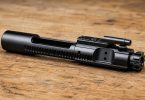
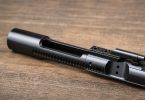
Likewise, if the rifle’s main weakness is cycling consistency, extractor behavior, or wear in the operating group, the first move may be adjacent rather than primary. A buyer could easily spend upper-receiver money trying to solve a problem that belongs in the action. That is why adjacent categories like best bolt carrier groups can matter inside a buying guide like this. The best upper is not just the one with the strongest spec list. It is the one that solves the right problem.
Compatibility can reinforce that point. Buyers planning a more involved setup should think through AR-15 parts compatibility basics before they assume a premium upper will automatically make the entire rifle work better. Better components help, but only when the full system supports them.
What this page is for, and what it is not for
This page is for buyers who are ready to compare upper receiver options in a practical way. It is for readers who already understand the basic platform and now need a cleaner buying framework. It is especially useful for people choosing between a first serious upper, a role-specific upgrade, or a configuration shift that changes how the rifle is used.
It is not a basic glossary page, and it is not a step-by-step build manual. It is also not a page for readers who want a universal winner with no tradeoffs attached. That kind of buying advice usually hides more than it helps. A durable upper decision depends on context: role, budget, handling priorities, compatibility, and whether the rest of the system is moving with it.
That is also why this guide sits where it does in the site structure. It follows core educational pages, but it should naturally lead toward more concrete decisions. In some cases, that next step is product selection. In other cases, it is build clarity, parts compatibility, or choosing the right supporting upgrades around the upper rather than assuming the upper has to solve everything on its own.
Frequently asked questions about the best AR upper receivers
What is the best AR upper receiver for most people?
For most buyers, a 16-inch upper with a mid-length gas system is the most balanced choice. It offers a strong mix of reliability, handling, compatibility, and practical flexibility without forcing the rifle into a narrow role.
Should I buy a complete upper or build one?
A complete upper is the better starting point for most buyers because it reduces compatibility risk and simplifies the decision process. Building one makes more sense when you already know exactly which barrel, rail, gas system, and supporting parts you want to combine.
Do upper receivers affect accuracy?
Yes. The upper assembly influences accuracy through barrel quality, barrel length, system consistency, and how well the operating parts work together. Accuracy is not determined by the upper alone, but the upper controls several of the most important factors.
Are more expensive upper receivers worth it?
They can be, but only when the use case justifies the added cost. Higher-end uppers usually offer better materials, tighter tolerances, and more refined system behavior, but those benefits matter most when the buyer can actually use them.
How important is compatibility when choosing an upper?
Compatibility is critical. Gas system choices, bolt carrier fit, rail dimensions, and supporting component match all affect whether the upper will function well inside the larger rifle. A strong upper still has to fit the rest of the build.
Can I upgrade my upper without replacing the whole rifle?
Yes. One of the main advantages of the AR platform is that the upper can often be changed independently, provided the rest of the configuration remains compatible and the new setup actually matches the role you want the rifle to fill.
Conclusion
The best AR upper receiver is not defined by brand prestige or by the longest feature list. It is defined by how well it matches your intended use. The right upper gives the rifle the forward configuration, handling, and operating behavior you actually need. The wrong one usually reflects unclear priorities more than poor manufacturing.
That is why the strongest buying approach is use-case first. Start with the role. Then evaluate barrel length, gas system, included components, weight, compatibility, and how the upper fits the rest of the rifle. When that structure is clear, product comparison becomes more useful and marketing noise becomes easier to ignore.
A good upper should make the rifle more coherent, not just more expensive. If you evaluate it as part of a real system, the right decision becomes much easier to recognize.