



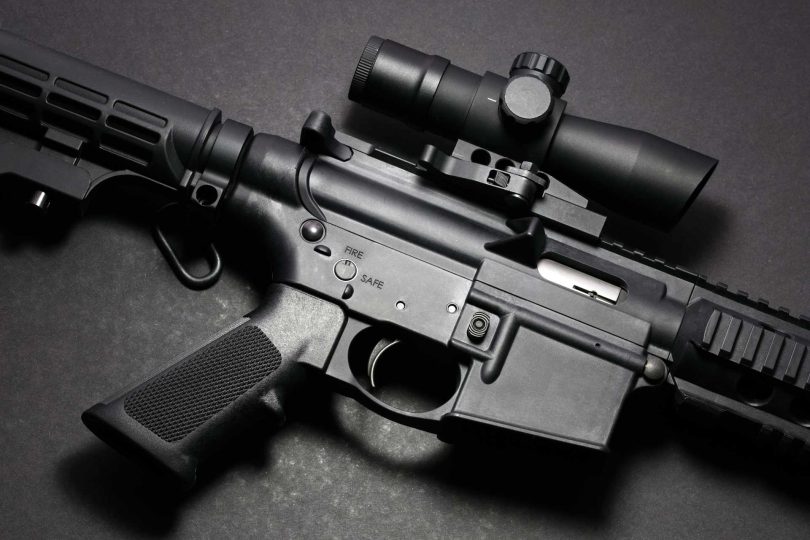

An AR-15 works by using gas pressure from a fired cartridge to cycle its internal components, eject the spent casing, and chamber the next round. That mechanical sequence is usually called the firing cycle or cycling process. Understanding it matters because the platform is modular, and small changes to barrel length, gas system configuration, buffer weight, or component tolerances can affect how consistently the rifle operates. A broad AR platform overview gives the big picture, but the cycling process is where the system’s logic becomes clear.
This article is for readers who want to understand function rather than just memorize part names. If you already know the platform’s major assemblies, this is the next step. If you are still orienting yourself to the basic component layout, an AR-15 parts breakdown can make the sequence easier to follow. The goal here is not hype or mythology. It is a practical explanation of how the platform moves from trigger pull to the next chambered round, and why that process matters when evaluating reliability, recoil behavior, and component fit.
What the AR-15 Cycling Process Actually Means
When people ask how an AR-15 works, they are usually asking about more than one thing at once. They may mean how the rifle fires, how it cycles after firing, or how its major assemblies interact during operation. The most useful answer is the full cycle of operation: the sequence of events that starts when the trigger releases the hammer and ends when the rifle is ready to fire again.
That sequence depends on a division of labor between the upper and lower assemblies. The upper contains the barrel, chamber, bolt carrier group, and gas system. The lower contains the fire control group, magazine interface, and buffer system. That relationship makes more sense once you understand upper receiver structure and lower receiver structure, because the cycling process is really the interaction between those two assemblies under pressure.
In practical terms, the AR-15 is a semi-automatic rifle that uses gas from a fired round to drive rearward movement in the bolt carrier group. That rearward movement extracts and ejects the spent case, compresses the buffer spring, and then returns forward to chamber the next round. The rifle does not fire again until the trigger resets and is pulled again.
Step 1: Trigger Release, Hammer Fall, and Ignition
The process begins when the shooter presses the trigger. Inside the lower receiver, the trigger releases the hammer, which rotates forward under spring tension and strikes the firing pin. The firing pin then impacts the primer on the chambered cartridge.
Once the primer ignites the powder charge, rapidly expanding gas pushes the projectile down the barrel. At this stage, the rifle is still locked. The bolt lugs are engaged with the barrel extension, which keeps the action closed long enough for chamber pressure to do its work safely. That locked-breech relationship is one reason the platform is able to maintain performance consistency across a wide range of configurations.
This first phase sounds simple, but it matters because ignition timing, lockup, and trigger function all affect how predictably the system starts its cycle. For readers breaking down the lower assembly in more detail, how a lower receiver works provides more context for what the trigger group is actually doing before the rest of the action begins moving.
Step 2: Gas Redirection and Rearward Movement
As the bullet travels down the barrel, it passes the gas port. At that moment, a portion of high-pressure gas is redirected through the gas block and gas tube back into the operating system. In a standard direct impingement-style AR, that gas is routed into the carrier key and drives rearward movement in the bolt carrier group.
This is the phase most people are referring to when they ask how AR rifles cycle. The gas system does not simply “make the rifle work.” It times the rearward force that unlocks and moves the action. That is why gas system length, port size, dwell time, and ammunition pressure all matter. A more detailed comparison of direct impingement vs piston systems helps explain why different operating setups can change recoil feel, maintenance patterns, and overall tuning.
If the gas impulse is balanced, the system cycles with enough force to extract, eject, and feed reliably without creating unnecessary wear. If it is not balanced, problems start to appear. Over-gassed rifles can feel sharper and wear components faster. Under-gassed rifles may short-stroke or fail to cycle fully. That is why the gas stage is not just a technical detail. It is one of the main control points for long-term reliability.
Step 3: Bolt Unlocking, Extraction, and Ejection
Once gas pressure drives the carrier rearward, the bolt begins to rotate and unlock from the barrel extension. That unlocks the action and allows the spent case to be pulled from the chamber. The extractor grips the case rim during this movement, while the ejector helps kick the case clear of the ejection port as the carrier continues rearward.
This stage depends heavily on the bolt carrier group, because the BCG is doing most of the mechanical work once pressure enters the system. That includes unlocking, extracting, ejecting, cocking the hammer, and preparing for the forward return stroke. A dedicated explanation of how a bolt carrier group works goes deeper into how those parts interact under load.
Why does this matter in use? Because a rifle that fails here will show immediate performance problems. Weak extraction, erratic ejection, or inconsistent lockup often point to a problem in system balance, part quality, or tolerances. This is also where material standards begin to matter. Differences outlined in mil-spec vs commercial AR parts can affect how consistently parts fit and function over time.
Step 4: Buffer Compression and Return to Battery
As the carrier continues rearward, it enters the buffer system in the receiver extension. The buffer and action spring absorb energy and then drive the carrier group forward again. On the forward stroke, the bolt strips a fresh round from the magazine, chambers it, and rotates back into lock.
This return-to-battery phase is easy to underestimate, but it is one of the reasons the platform feels different depending on configuration. Buffer weight, spring condition, carrier mass, and gas impulse all combine here. A balanced setup returns forward with enough authority to chamber reliably without feeling unnecessarily abrupt. That balance becomes more important as rifles move away from standard configurations and toward more specialized use cases.
The buffer system also explains why the AR platform feels modular in practice rather than just in theory. There is enough flexibility in the design to tune for reliability, recoil feel, suppression use, or barrel length changes. That broader flexibility is part of modular rifle design, and it is one reason the AR remains such a common reference point in component-level discussions.
How the Major Components Work Together
The AR-15 does not operate as a set of isolated parts. The trigger initiates the cycle, the chamber and barrel contain pressure, the gas system redirects energy, the bolt carrier group converts that energy into movement, and the buffer system manages the rearward and forward strokes. The magazine then presents the next cartridge so the system can repeat.
That full relationship becomes easier to understand when comparing difference between upper and lower receivers, because the cycle depends on the upper and lower doing different jobs at the right time. It also helps to view the operating sequence in the context of how firearms function at a basic level, since the AR platform still follows core mechanical principles shared by other self-loading firearms.
Where the AR differs is in how modularly those principles are packaged. The platform lets builders and buyers change barrels, gas systems, stocks, optics, carriers, and accessories without changing the basic operating logic. That is good for flexibility, but it also means part selection matters. Compatibility, tolerances, and intended use all influence how well the system performs once assembled.
Why the Cycling Process Matters for Reliability and Part Selection
A reader does not need to memorize every step in the cycle to use the platform well. But understanding the sequence makes it much easier to evaluate parts and diagnose problems. It also gives context to product categories that might otherwise feel interchangeable.
For example, someone choosing between best upper receivers is not only choosing a housing for parts. They are choosing a structural foundation for barrel alignment, gas system integration, and overall assembly quality. The same logic applies to best lower receivers, where fit, machining, and long-term compatibility matter more than surface-level branding.
The cycle also explains why internal components deserve more attention than external styling. A rifle can look complete and still be poorly balanced. That is why evaluating reliable bolt carrier groups is often more meaningful than focusing first on cosmetic accessories. Similarly, someone starting from scratch may find that complete AR build kits make sense for convenience, while experienced builders may prefer to select components individually.
Who This Understanding Is Most Useful For
This level of explanation is most useful for readers who want to make better decisions about the platform, not just repeat terminology. That includes beginners trying to understand the system, buyers comparing component categories, and owners diagnosing why a rifle behaves differently after a configuration change.
It is less useful for someone looking only for a quick definition or a surface-level glossary. If the immediate need is simply identifying parts, the AR-15 parts breakdown is the faster starting point. If the goal is tuning, upgrading, or comparing complete systems, the cycling process provides more decision value because it links cause and effect.
That same cause-and-effect logic also helps when looking outside the standard AR-15 pattern. A comparison of AR-10 vs AR-15 differences shows how scale, pressure demands, and component dimensions alter the operating context even when the platform family appears similar on the surface.
Frequently Asked Questions
How does an AR-15 work step by step?
An AR-15 works by releasing the hammer, igniting the cartridge, redirecting gas through the operating system, moving the bolt carrier group rearward, extracting and ejecting the spent casing, compressing the buffer system, and then returning forward to chamber the next round.
What is the AR-15 cycling process?
The AR-15 cycling process is the sequence of mechanical events that takes place after a round is fired. It includes gas redirection, bolt unlocking, extraction, ejection, rearward travel, and return to battery with a fresh round.
What does the bolt carrier group do in an AR-15?
The bolt carrier group handles locking, unlocking, extraction, ejection, and chambering. It is the main moving assembly responsible for converting gas-driven energy into the mechanical cycle that keeps the rifle running.
Does the gas system affect reliability?
Yes. Gas system length, pressure, and tuning affect how forcefully and consistently the rifle cycles. An imbalanced system can cause short-stroking, sharper recoil, premature wear, or inconsistent ejection patterns.
Why does the buffer system matter?
The buffer system controls the rearward and forward movement of the carrier group. It influences recoil feel, return speed, and whether the rifle chambers reliably under different configurations.
Are all AR-15s the same in how they operate?
Most AR-15s follow the same basic operating logic, but differences in gas systems, component tolerances, materials, and setup choices can change how the rifle cycles and how consistently it performs.
Conclusion
Understanding how an AR-15 works is really about understanding how pressure, timing, and moving parts interact inside a modular system. The firing cycle is not abstract theory. It is the reason some rifles feel balanced while others feel abrupt, the reason some setups run reliably while others become sensitive to part changes, and the reason component choices should be evaluated as part of a complete system rather than in isolation.
That perspective makes the platform easier to work with and easier to evaluate. Once the cycle is clear, parts lists, receiver choices, gas system comparisons, and upgrade decisions stop feeling disconnected. They become part of the same decision framework. That is the practical value of understanding the AR-15 cycling process.







Leave a Comment