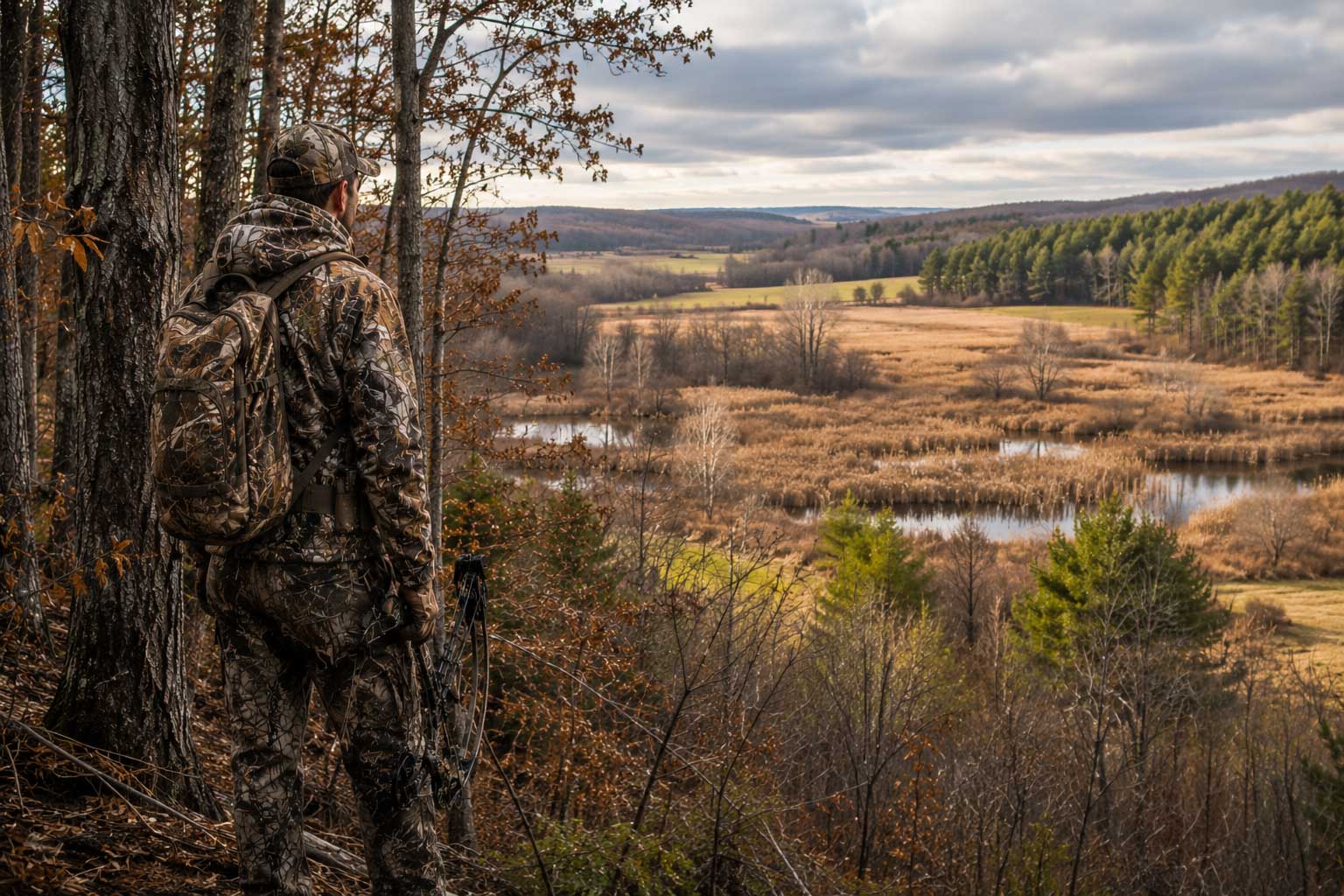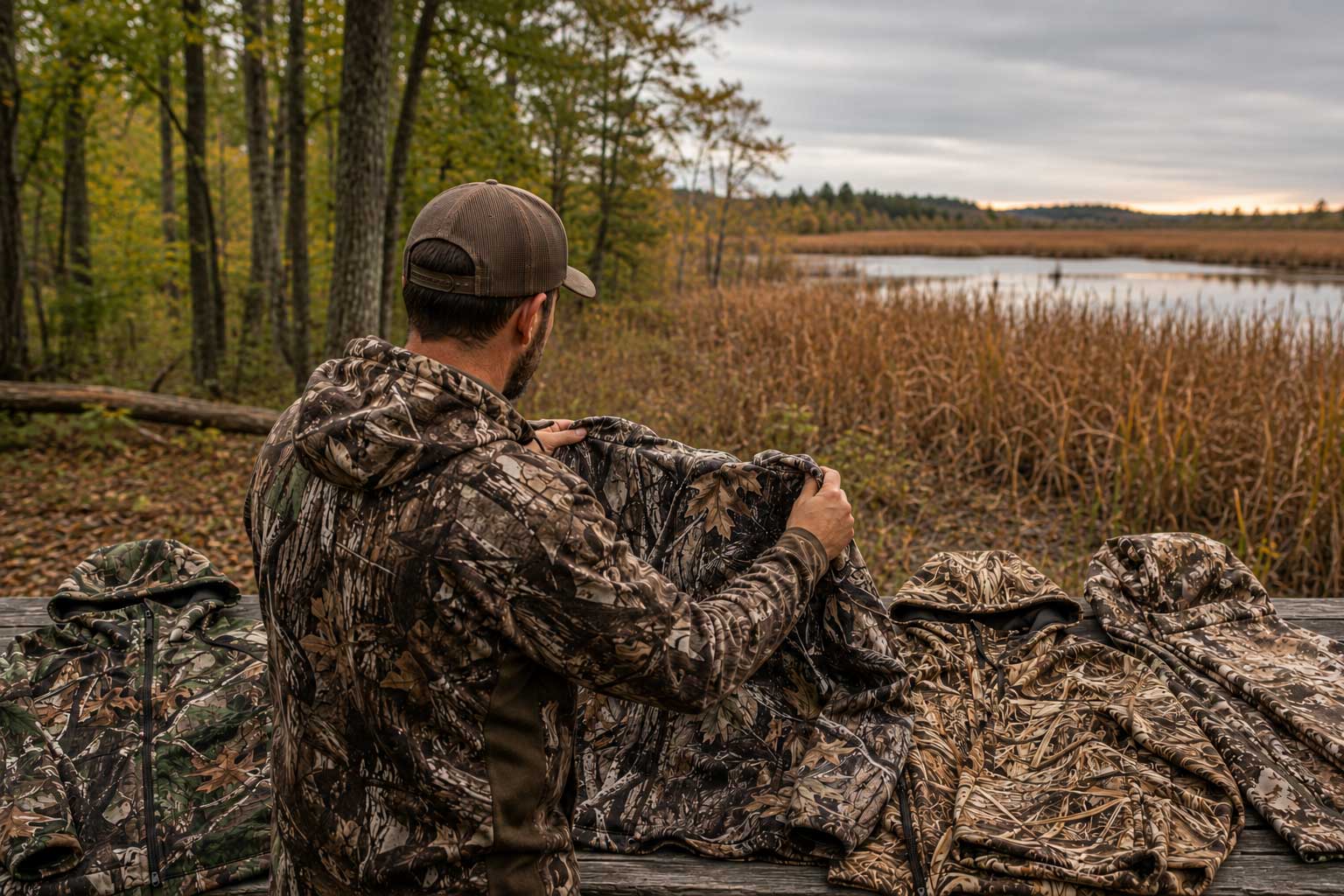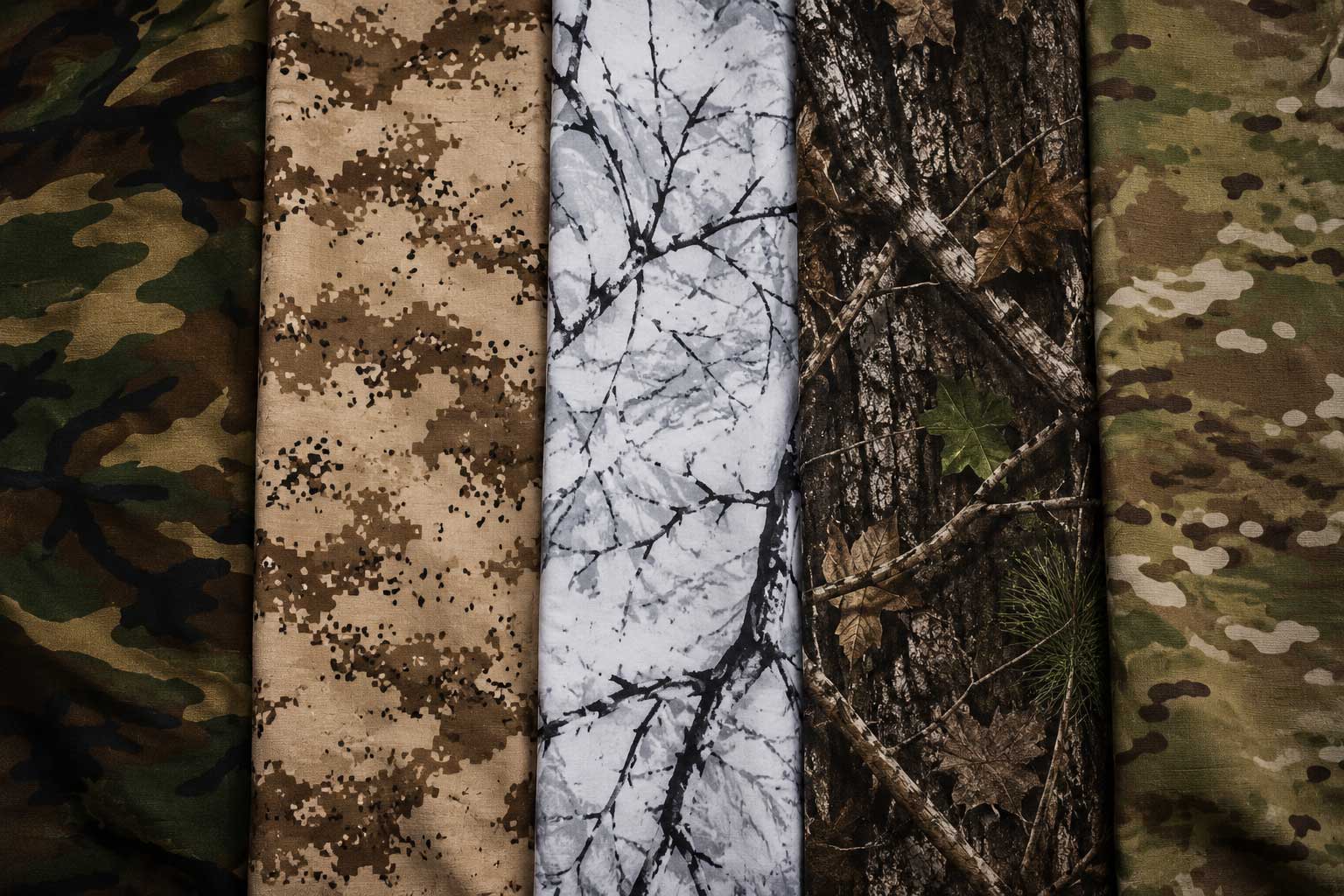

Few hunting gear debates have lasted longer than Realtree vs Mossy Oak. Both brands have built strong reputations among hunters, both offer extensive camouflage lineups, and both have proven themselves in the field across a wide range of game species and environments.
That creates an understandable question: which one is actually better?
The answer is…
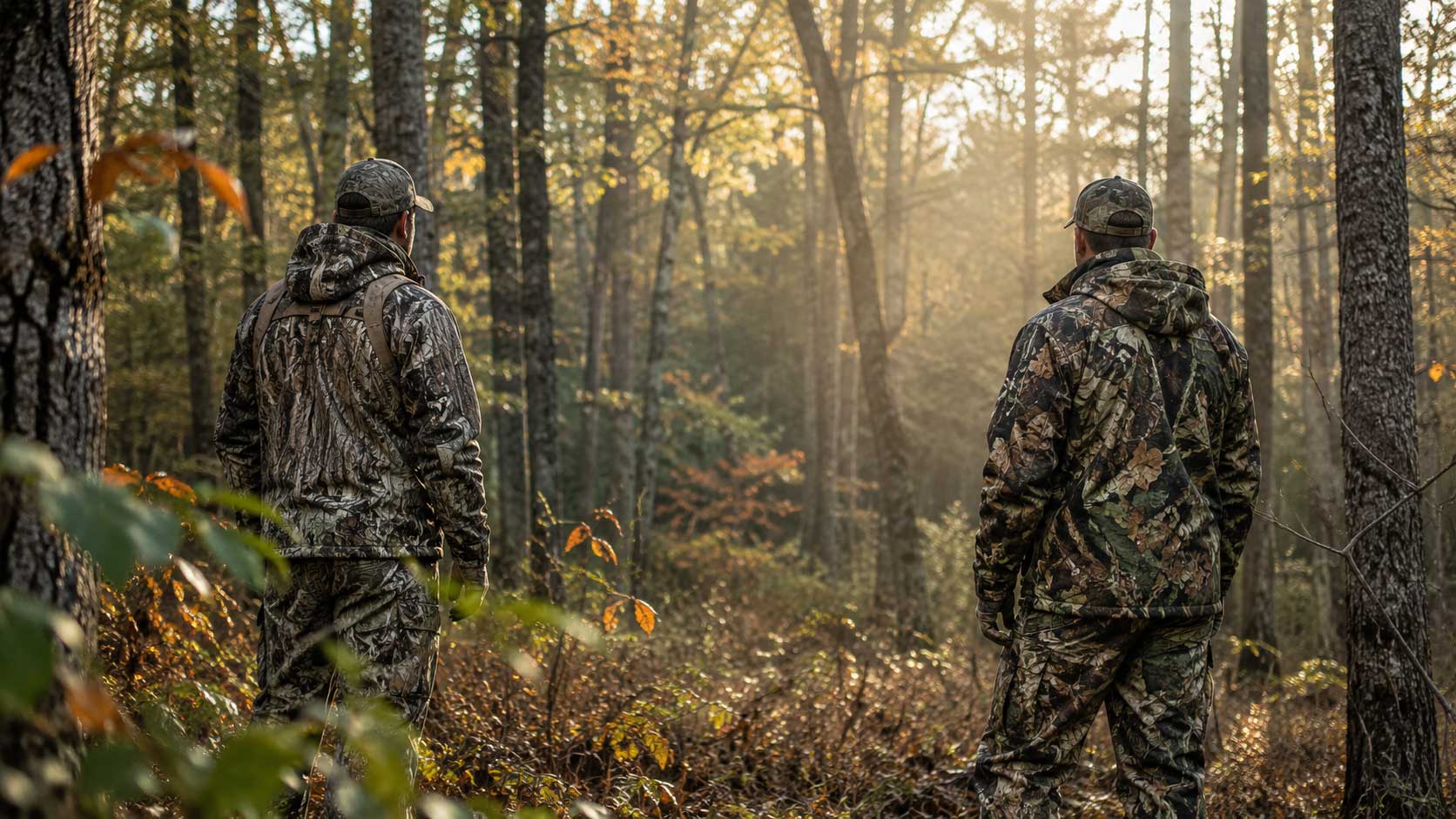
The best camo pattern is not the one with the most realistic leaves, the most popular brand name, or the newest marketing campaign. The best camo pattern is the one that fits the terrain where it will actually be used.
That sounds simple, but it is where many hunters make the wrong decision. A pattern…
Most hunters spend too much time comparing camouflage brands and not enough time evaluating the environment they actually hunt.
The reality is that camouflage effectiveness depends far more on matching terrain, vegetation, season, and hunting conditions than selecting the most popular pattern on the market.
A pattern that performs exceptionally well in hardwood forests may…
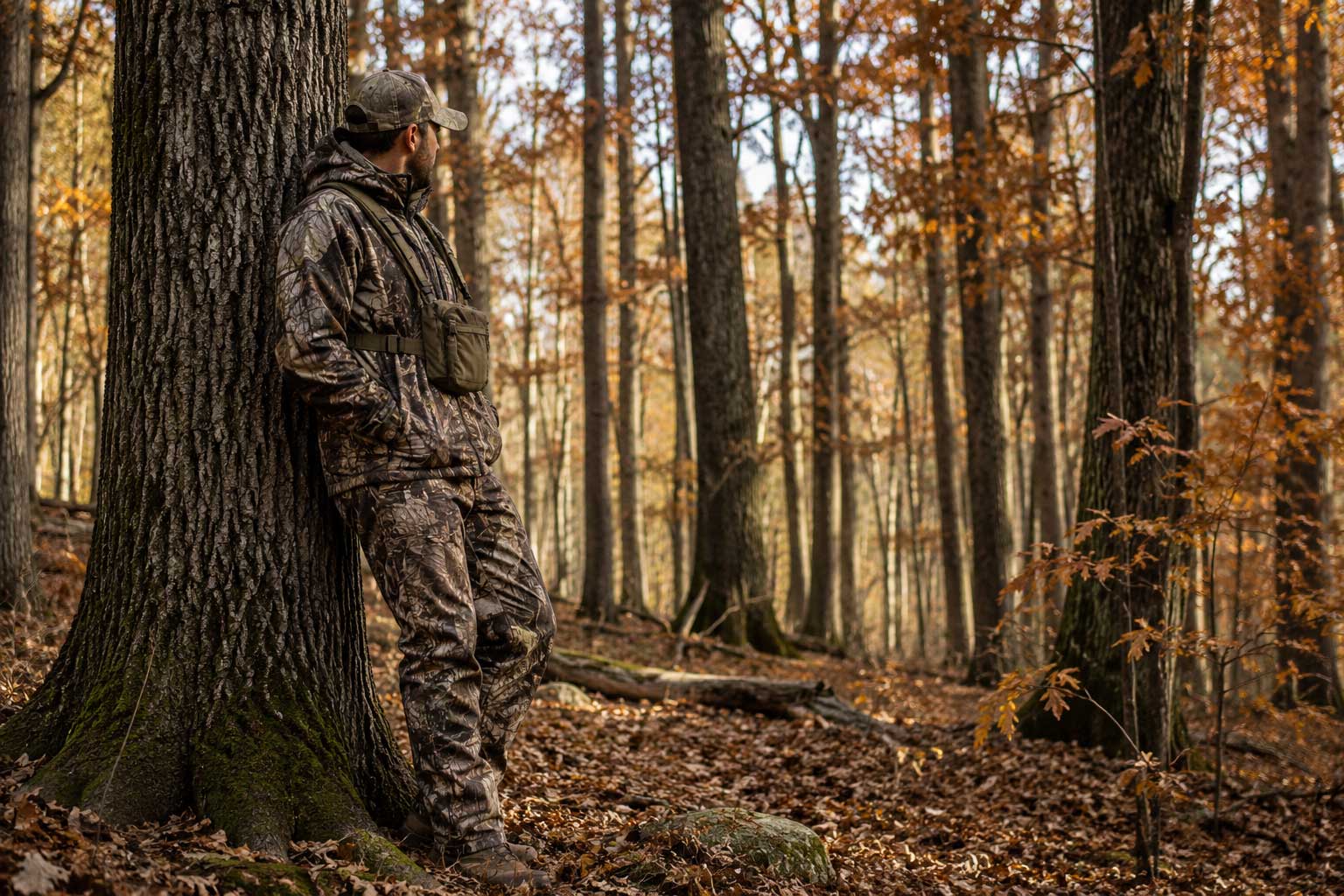
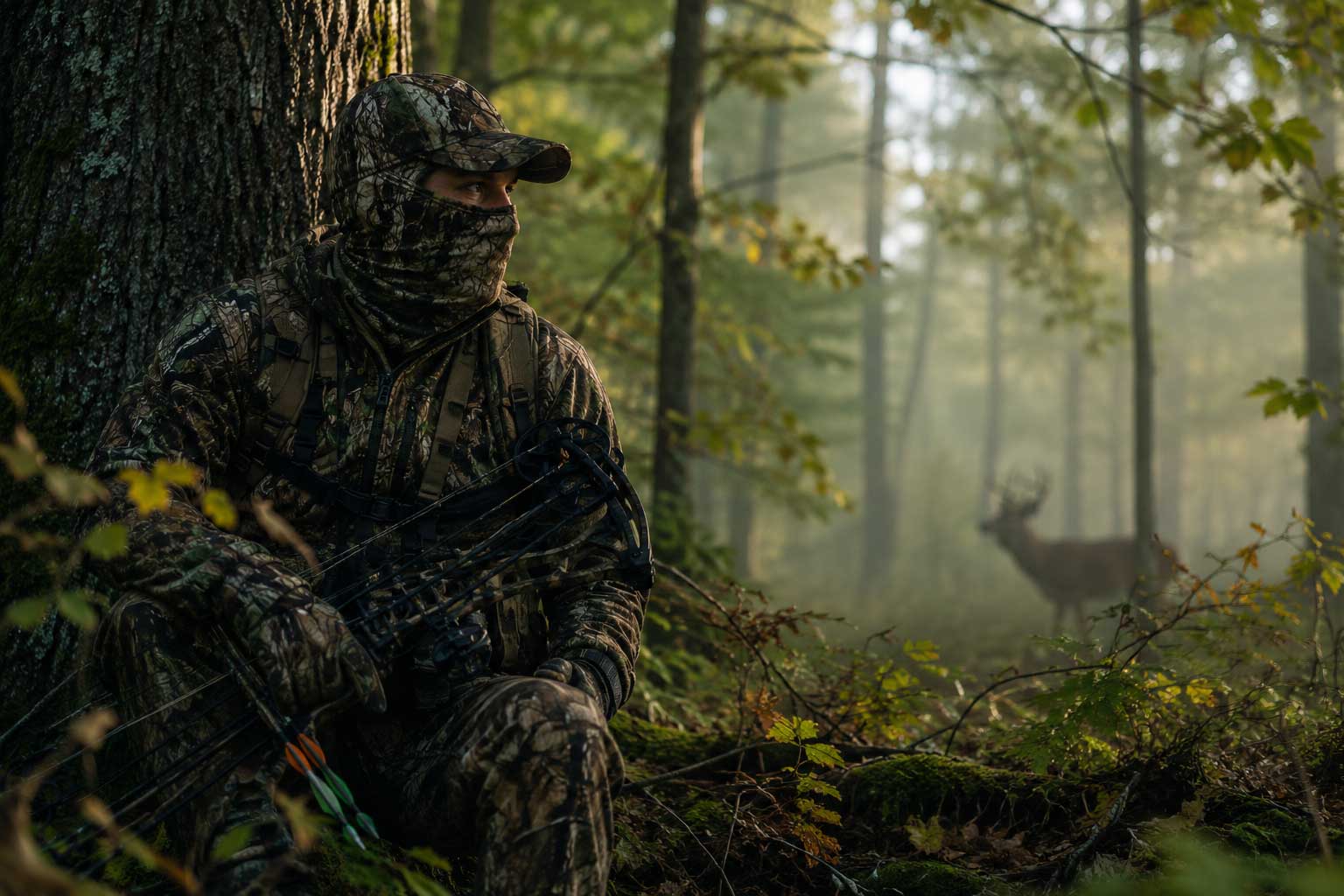
Eastern woodlands create one of the most forgiving but misunderstood camouflage environments in North America. Hardwood forests naturally break up outlines, cast irregular shadows, and create layers of visual cover. At the same time, the landscape changes sharply from early-season green foliage to late-season gray bark, brown leaves, and open timber.
The best camo for…
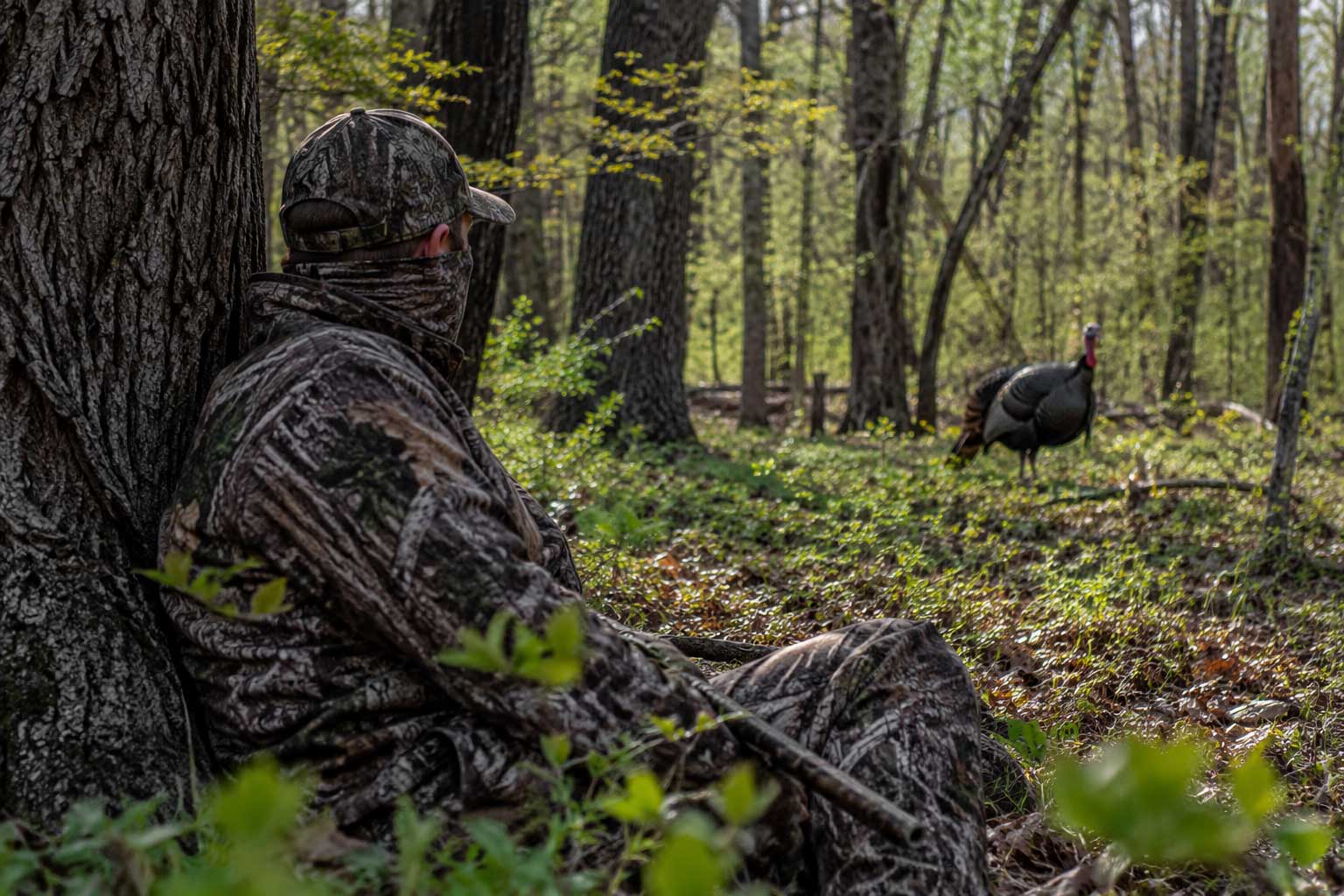
Turkey hunting puts more pressure on camouflage than many other hunting situations because wild turkeys rely heavily on eyesight. They notice movement, contrast, exposed skin, and shapes that do not belong in the woods. The best camo for turkey hunting is the pattern that matches your terrain, season, and hunting style while helping break up…
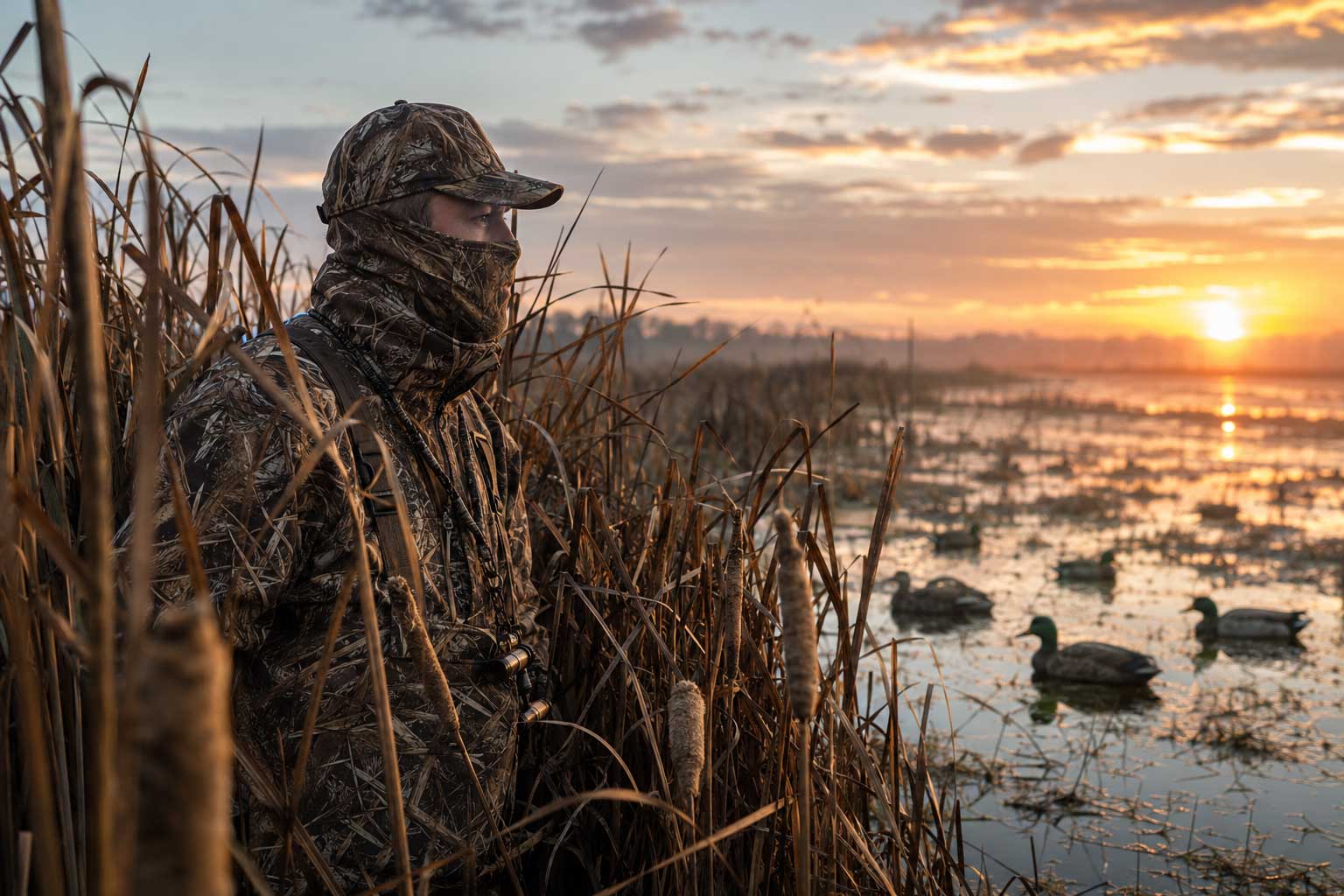
Duck hunting presents a unique camouflage challenge. Unlike many forms of big-game hunting, waterfowl hunters often operate in open marshes, flooded timber, agricultural fields, and shoreline environments where concealment depends heavily on matching surrounding vegetation.
The best camo for duck hunting is typically the pattern that most closely matches the habitat being hunted. Marsh-focused patterns…
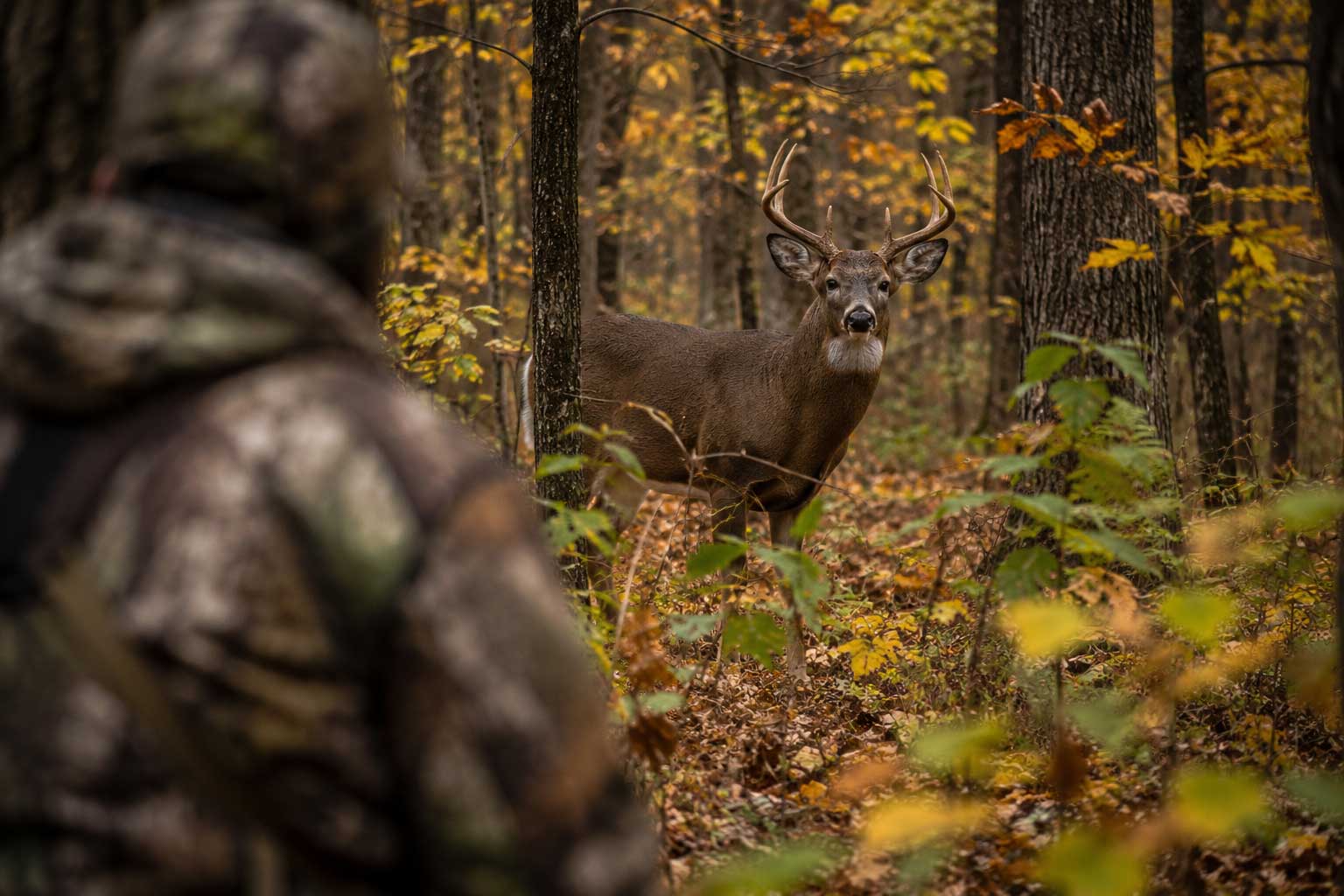
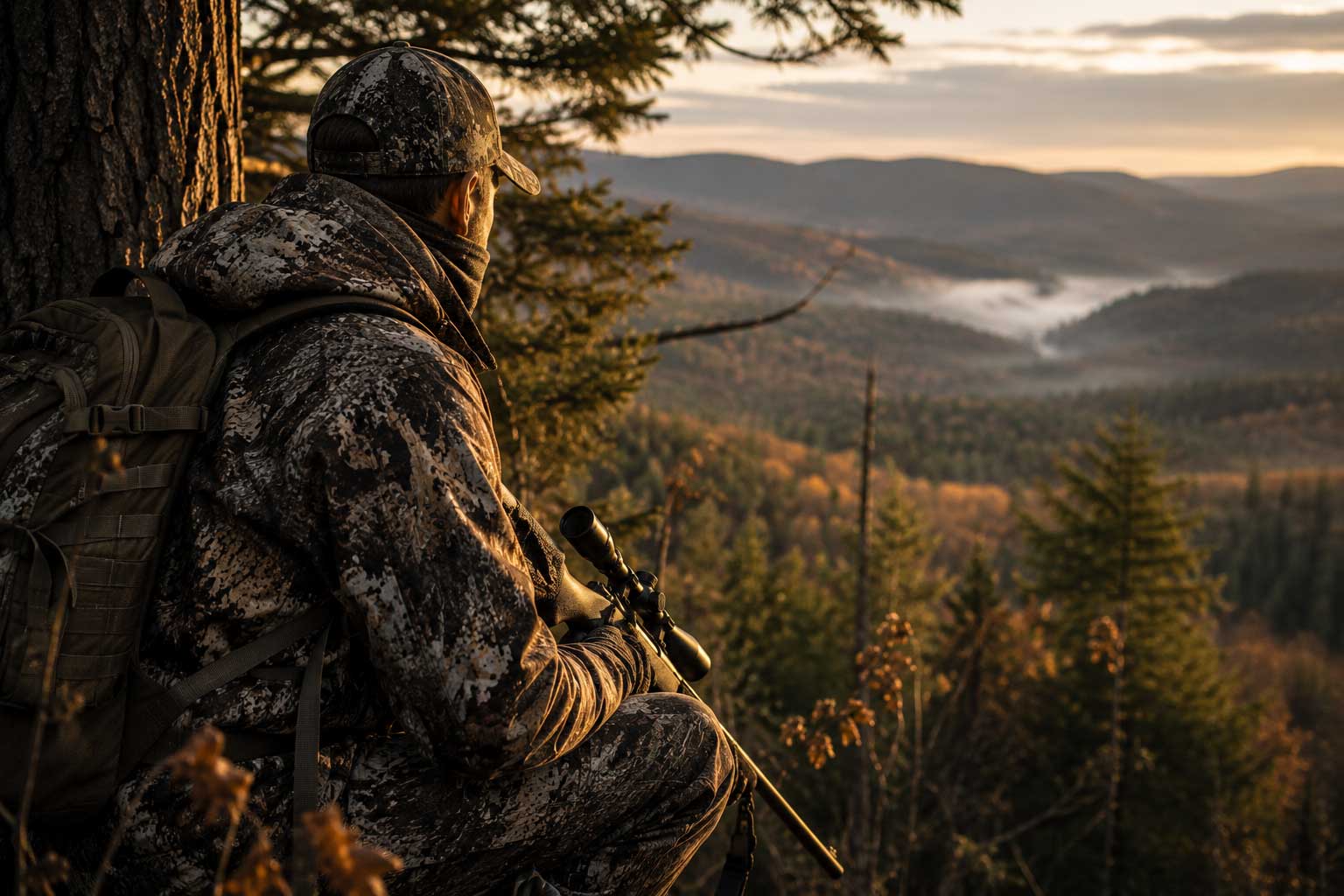
Choosing the best camo for deer hunting is often treated as a debate between brands, but successful concealment depends far more on terrain, vegetation, and hunting conditions than a logo printed on a jacket. A camouflage pattern that performs exceptionally well in a hardwood forest may stand out in agricultural fields, while a pattern designed…
Woodland camo for hunting still works because most successful concealment comes down to environment, outline breakup, movement control, and how well a hunter uses natural cover. Modern hunting camouflage has become highly specialized, but the basic purpose has not changed: reduce recognition long enough to avoid being picked apart by game animals.
Woodland camouflage is…
Most hunters spend too much time looking at camouflage brands and not enough time looking at the terrain they'll actually be hunting.
That's understandable. Marketing often focuses on pattern names, product lines, and new releases. The problem is that camouflage works because it matches the environment, not because of the logo printed on the tag.…
Understanding the different types of camo is less about memorizing pattern names and more about understanding why those patterns exist in the first place. Most camouflage discussions quickly turn into brand debates, pattern comparisons, and personal preferences. Those conversations can be useful, but they often miss the larger question.
The goal of camouflage is not…