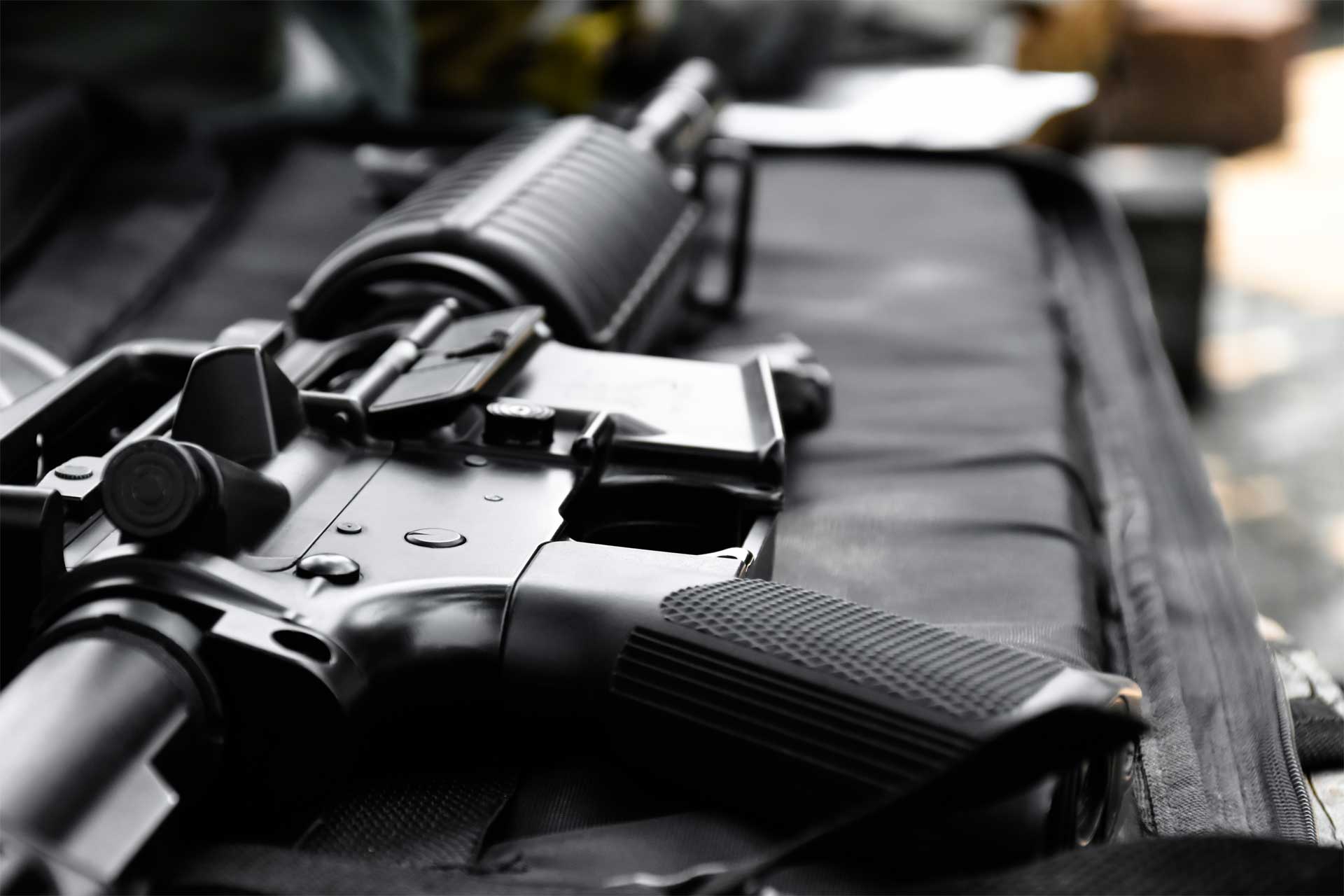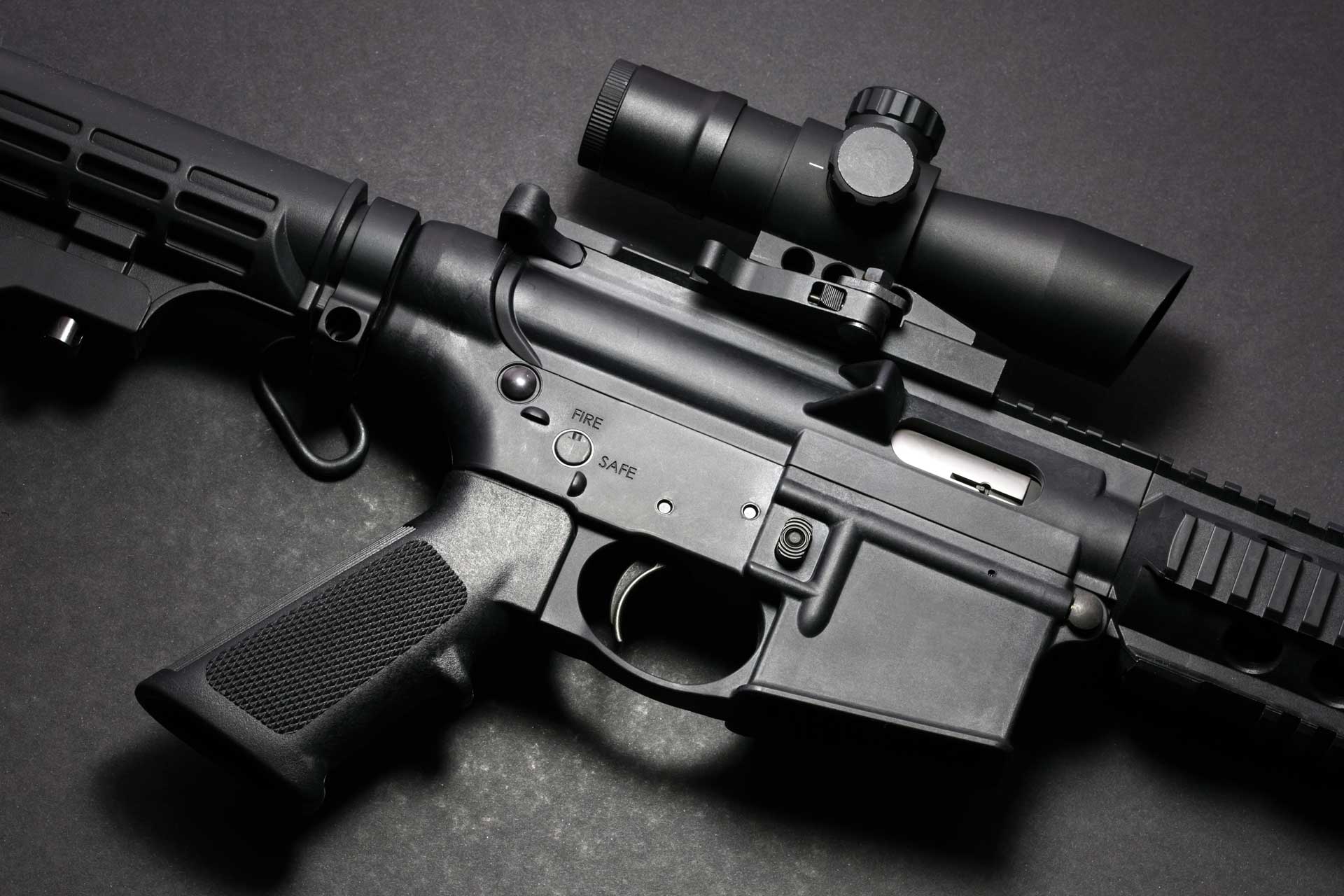

The AR-15 is one of the most recognizable rifles in the United States, yet its name, operation, and history are frequently misunderstood. Some people associate it with military firearms, while others know it primarily as a sporting rifle used for target shooting, competition, hunting, or collecting.
So, what is an AR-15? An AR-15 is a…
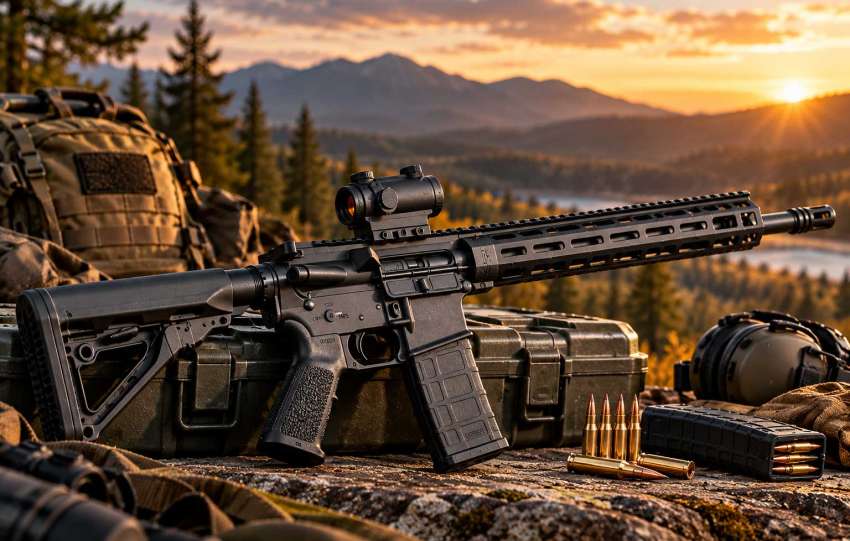
Understanding the AR-15 cycle of operations is the difference between simply owning a rifle and actually understanding how it functions under real conditions. This cycle is not just a sequence of mechanical events—it is a tightly timed system where gas pressure, component geometry, spring tension, and carrier movement all interact to produce reliable firing, extraction,…
The AR platform is often described as modular, reliable, and adaptable—but those descriptions only make sense once you understand how the system actually functions. This is not a single-purpose rifle design. It is a system of interdependent components where each part influences how the others behave.
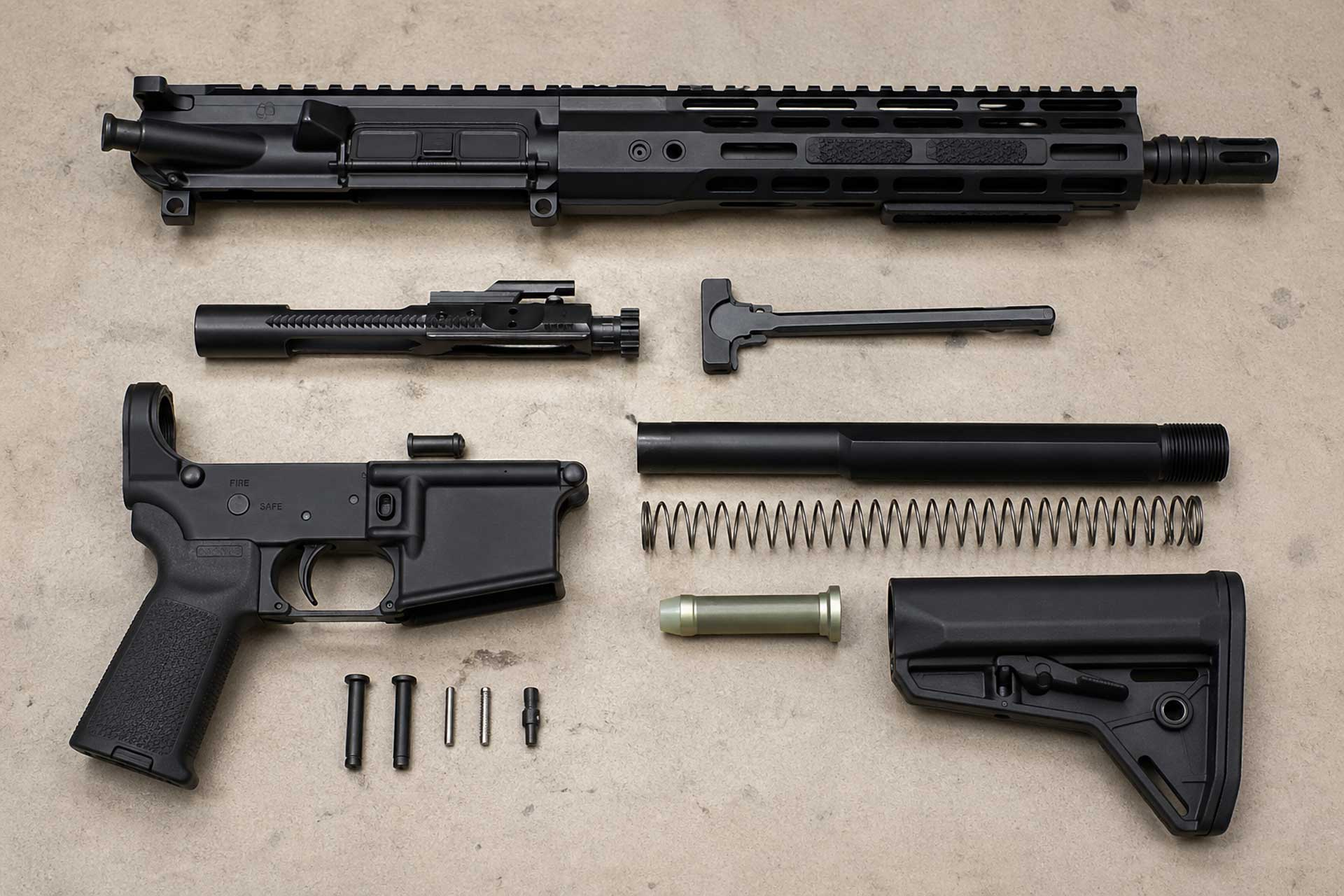
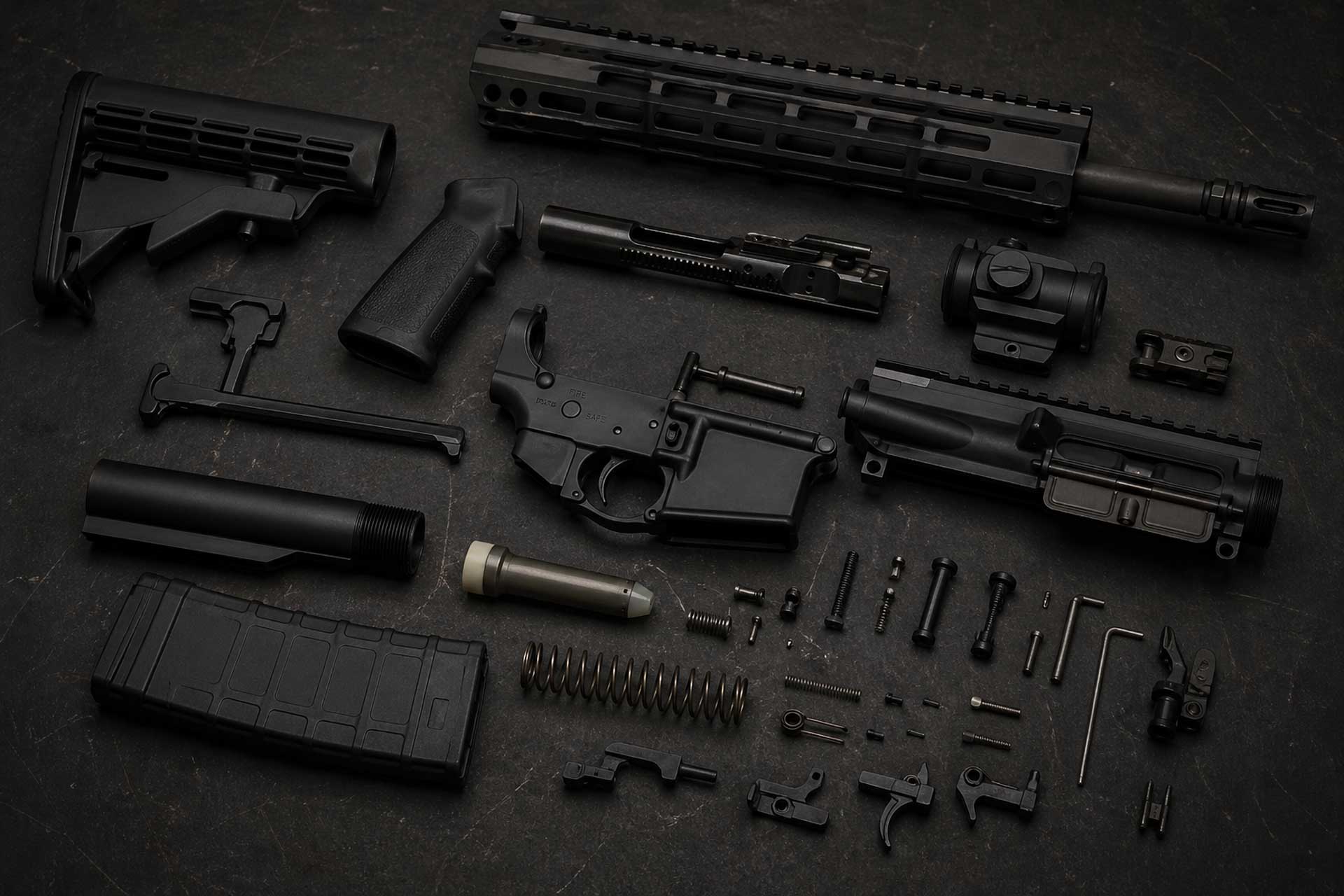
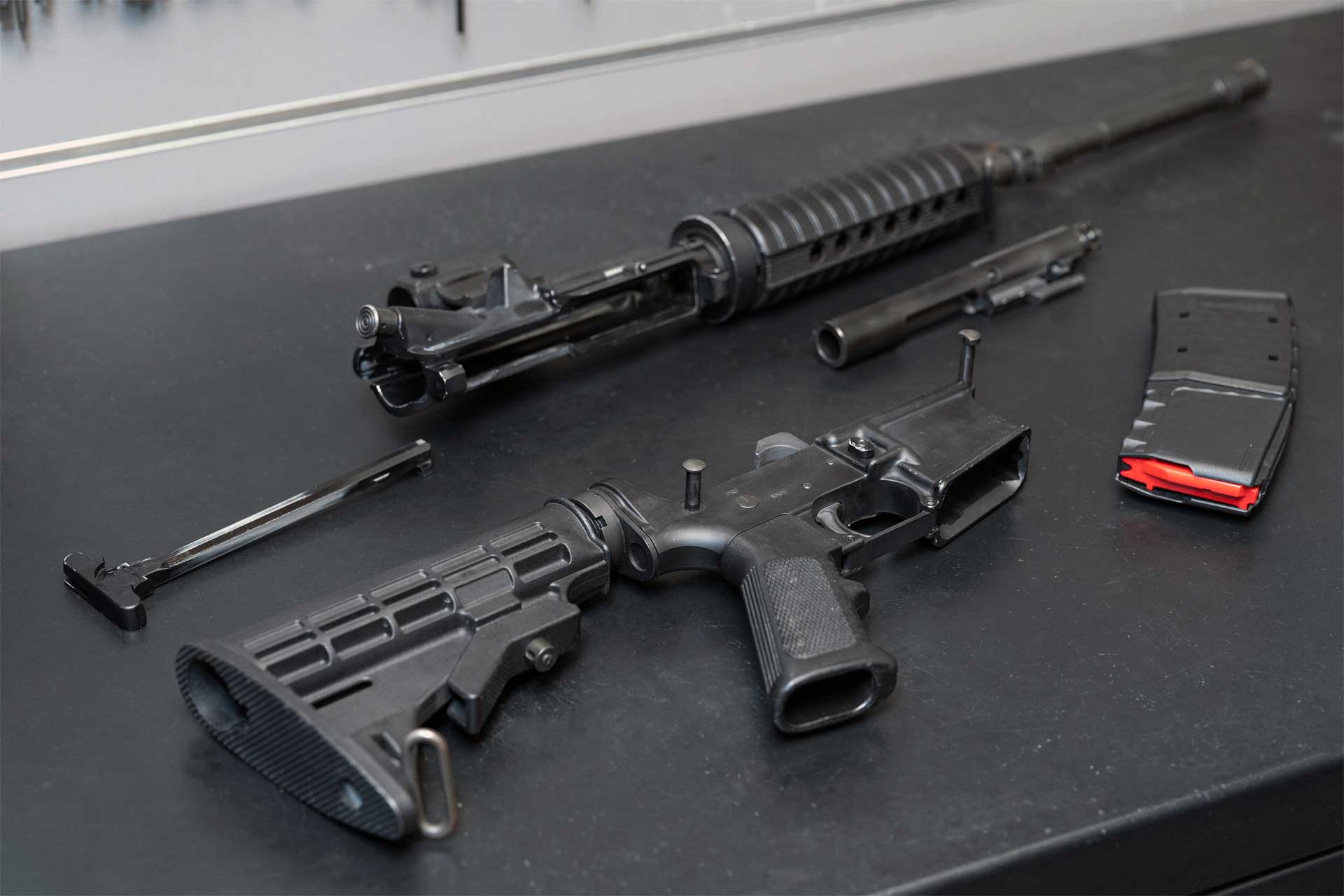
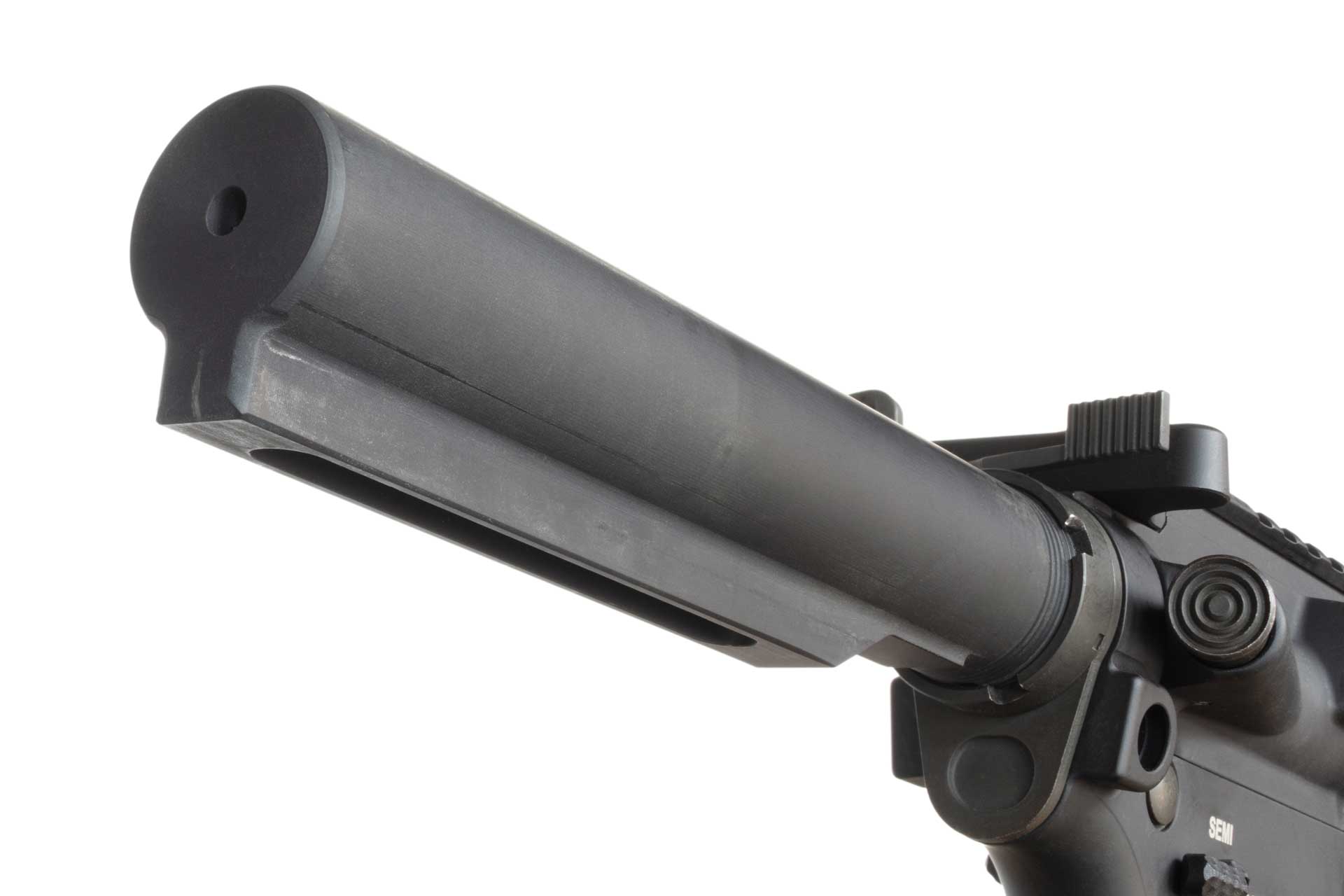
At a surface level, most people recognize the major components:…
Headspace is one of those terms that gets mentioned often in technical discussions but rarely explained in a way that connects directly to how an AR-15 actually functions. It’s not a visible part, and it’s not something you adjust casually, but it plays a critical role in whether a rifle operates safely and reliably.
At its…
Building or modifying an AR-15 is often described as simple because of the platform’s modular design. While that’s technically true, it can also be misleading. Parts don’t just “fit” because they share a name—they work together only when the system is properly balanced.
An AR-15 parts compatibility guide exists to solve that exact problem. It explains…
An AR-15 is not a single-purpose tool—it’s a modular system built from interdependent components. Understanding how those components fit together is what separates a confident owner or builder from someone guessing their way through maintenance, upgrades, or purchases.
An AR-15 parts overview explains the rifle as a complete system: what each major component is, what it…
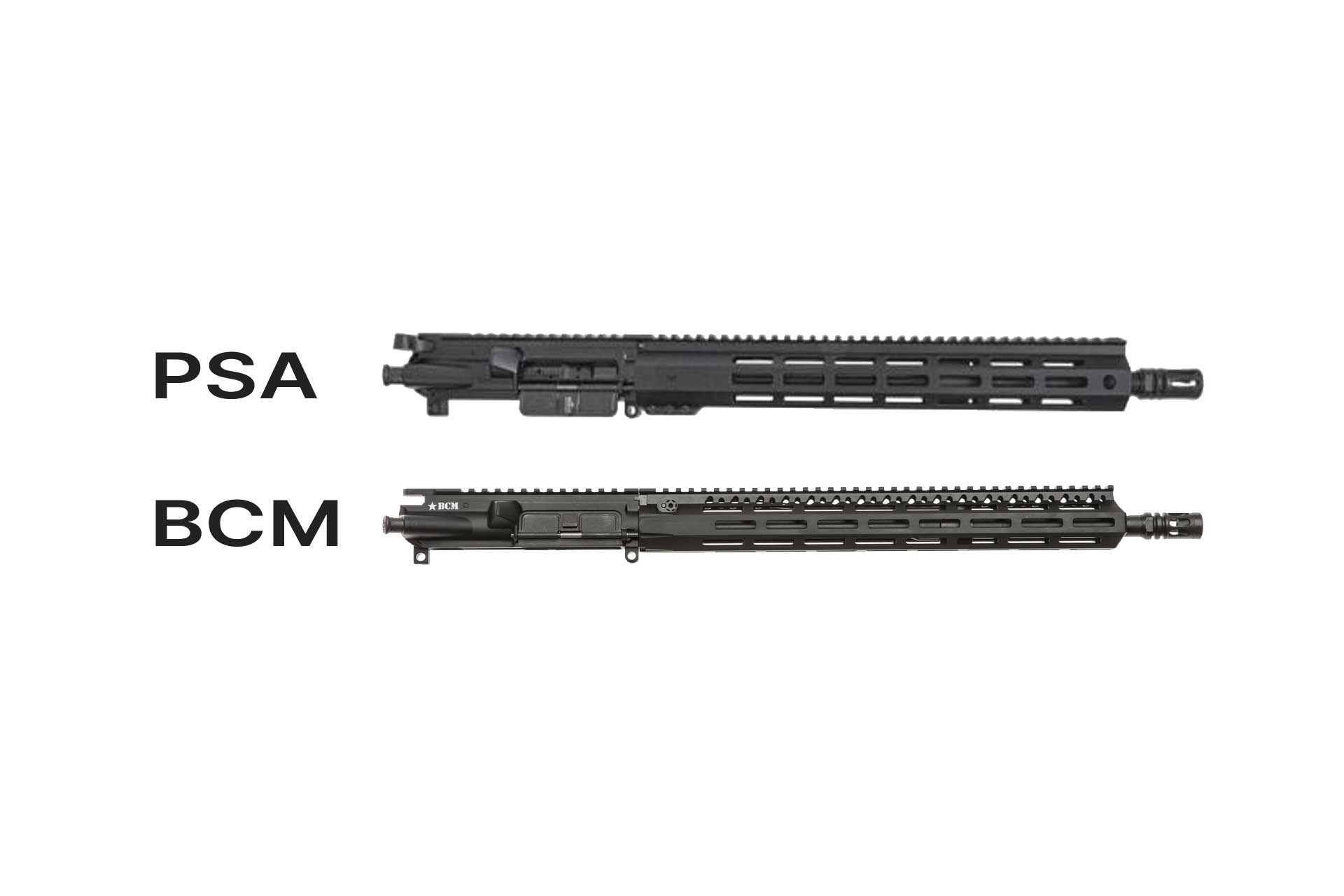
For many buyers, a PSA vs BCM comparison is not really about brand loyalty. It is about deciding how much refinement, quality control, and long-term confidence you actually need in an AR-15 setup. Both companies occupy important places in the market, but they do not solve the same problem in the same way. PSA tends…
Building a reliable AR-15 on a budget is not about finding the cheapest parts. It is about understanding where cost matters, where it doesn’t, and how the system works as a whole. A well-planned budget build can perform consistently, remain upgradeable, and avoid the common pitfalls that lead to wasted money later.
To do that properly,…
“Mil-spec vs commercial” is one of the most repeated distinctions in the AR platform—and one of the most misunderstood.
For many buyers and builders, the assumption is simple: mil-spec is better, commercial is inferior. But that assumption breaks down quickly when you look at how AR parts are actually manufactured, sold, and used. In reality, the…
An AR-15 works by using gas pressure from a fired cartridge to cycle its internal components, eject the spent casing, and chamber the next round. That mechanical sequence is usually called the firing cycle or cycling process. Understanding it matters because the platform is modular, and small changes to barrel length, gas system configuration, buffer…