



An AR-15 is not a single-purpose tool—it’s a modular system built from interdependent components. Understanding how those components fit together is what separates a confident owner or builder from someone guessing their way through maintenance, upgrades, or purchases.
An AR-15 parts overview explains the rifle as a complete system: what each major component is, what it does, and how those parts interact during operation. This matters because nearly every decision—whether you’re diagnosing a problem, selecting upgrades, or choosing a complete rifle—depends on knowing how those pieces connect.
At a high level, the platform divides into two main assemblies: the upper receiver and the lower receiver. Inside those assemblies are critical subsystems like the bolt carrier group, gas system, and buffer system, all working together to cycle the rifle reliably. If one part is misunderstood, it often leads to poor compatibility choices or performance issues.
This guide is designed for readers who want a structured, accurate understanding of the AR platform. It’s especially useful if you’re building your first rifle, maintaining an existing one, or evaluating parts for reliability and compatibility.
If you’re looking for quick answers or surface-level descriptions, this may feel more detailed than necessary. But if your goal is to understand how the system actually works—and make better decisions because of it—this overview gives you the framework to do that.
What an AR-15 Parts Overview Actually Covers
An AR-15 parts overview is not just a list of components. It’s a system-level explanation of how the rifle functions as a coordinated mechanical platform.
At its core, the AR platform is defined by modularity. Unlike many firearm designs, parts are designed to be replaced, upgraded, or configured with minimal permanent modification. That flexibility is what makes understanding the system so important—because compatibility is not always automatic.
To understand the platform correctly, you need to see how the rifle fits into broader concepts like AR platform fundamentals and how those fundamentals translate into real-world configurations.
A complete overview typically breaks the rifle into:
- Upper receiver assembly
- Lower receiver assembly
- Internal operating components
- Supporting systems (gas, buffer, controls)
Each of these sections contributes to the rifle’s cycle of operation. If you’re unclear on how that cycle works as a whole, reviewing AR-15 cycle of operations provides useful context before diving deeper into parts.
Why this matters:
Most issues—whether reliability problems or compatibility mistakes—come from misunderstanding how parts interact, not from the parts themselves.
The Core System: Upper and Lower Receiver
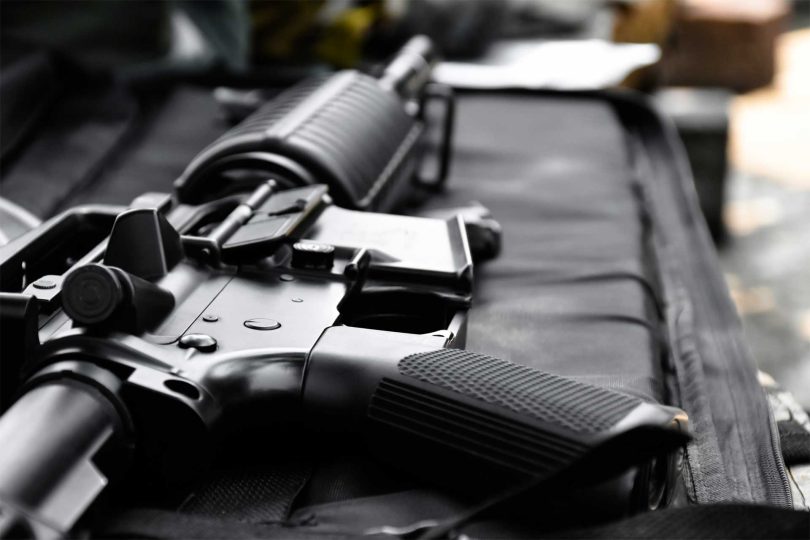
The AR-15 is built around two primary assemblies: the upper receiver and the lower receiver. These components define both the structure and function of the rifle.
The upper receiver houses the barrel, bolt carrier group, and gas system. It’s responsible for firing, chambering, and extracting rounds. The lower receiver contains the fire control group, magazine well, and buffer system interface, managing input and cycling support.
If you want a clearer breakdown of how these two halves differ in purpose and function, understanding the difference between upper and lower receivers helps clarify where each responsibility begins and ends.
From a structural standpoint:
- The upper handles pressure and ballistic function
- The lower manages control and cycling support
For deeper clarity on each side individually, you can explore what defines what an upper receiver does and how what a lower receiver is within the system.
Why this matters:
Nearly all compatibility decisions—barrels, stocks, triggers, buffer systems—depend on understanding which side of the platform they interact with.
Internal Components and How They Work Together
Inside the AR-15, several key components work in sequence to cycle the rifle. The most critical of these is the bolt carrier group (BCG), which chambers, fires, extracts, and ejects rounds.
The BCG doesn’t operate independently—it works in coordination with the gas system and buffer system. If you want to understand the motion and timing of these parts, reviewing how the bolt carrier group works gives you a detailed look at that interaction.
The gas system directs expanding gas from the fired round back into the rifle to cycle the action. That process varies depending on design, which is why comparisons like direct impingement vs piston systems matter when evaluating performance differences.
All of these components contribute to the overall cycling process. If you’re troubleshooting or trying to understand timing issues, knowing how AR rifles cycle becomes essential.
Why this matters:
Performance issues are rarely isolated. A problem in one component often reflects a mismatch or imbalance elsewhere in the system.
How AR-15 Parts Fit Together as a System
The AR-15 is designed as a modular system, but that doesn’t mean parts are universally interchangeable. Fitment, tolerances, and specifications all affect how components work together.
Understanding AR-15 parts compatibility basics is critical if you plan to build or modify a rifle. Even small mismatches—buffer weight, gas system length, or receiver dimensions—can impact reliability.
This modularity is part of a broader concept explained through modular rifle design, where components are designed to be swapped without changing the core platform.
For practical reference, reviewing a complete AR-15 parts breakdown helps visualize how all components are organized within the system.
Why this matters:
Modularity increases flexibility—but also increases the risk of incorrect configurations if you don’t understand how parts interact.
Common Mistakes When Understanding AR Parts
One of the most common mistakes is treating parts as isolated upgrades instead of system components. For example, upgrading a bolt carrier group without considering gas system tuning or buffer weight can create new problems instead of solving existing ones.
Another issue is focusing too heavily on individual parts without understanding their role in the larger system. Reviewing common AR build mistakes helps highlight where these misunderstandings typically occur.
A third mistake is assuming all AR-15 parts follow identical specifications. Differences between manufacturers, materials, and tolerances can affect both performance and compatibility.
Why this matters:
Most reliability issues come from poor system balance, not defective parts.
Where Parts Knowledge Affects Buying Decisions
Understanding AR-15 parts directly impacts purchasing decisions. When evaluating components like bolt carrier groups, for example, you’re not just choosing a part—you’re choosing how that part integrates into your system.
If you’re comparing options, reviewing best bolt carrier groups or a structured bolt carrier group buying guide helps connect technical understanding to real product choices.
Similarly, understanding receiver quality and specifications matters when considering best upper receivers or best lower receivers.
Why this matters:
Better understanding leads to fewer unnecessary upgrades and more effective spending.
FAQ: AR-15 Parts Overview
What are the main parts of an AR-15?
The primary components include the upper receiver, lower receiver, barrel, bolt carrier group, gas system, and buffer system. Each plays a specific role in the rifle’s operation.
How do AR-15 parts work together?
They function as a coordinated system. Gas pressure cycles the bolt carrier group, which interacts with the buffer system to chamber and eject rounds.
Are all AR-15 parts interchangeable?
No. While the platform is modular, compatibility depends on specifications like gas system length, buffer type, and receiver dimensions.
What part of the AR-15 is most important?
No single part defines performance. Reliability comes from how well components work together as a system.
Do I need to understand all parts before buying an AR-15?
Not fully—but understanding the basics helps avoid poor compatibility decisions and unnecessary upgrades.
Where should I start if I want to learn more?
Start with system-level concepts like how firearms operate by reviewing how firearms function at a basic level and then move into platform-specific details.
Conclusion
An AR-15 parts overview is less about memorizing components and more about understanding relationships. The platform works because each part contributes to a balanced system, not because any single component is exceptional on its own.
If you understand how the upper and lower receivers interact, how the bolt carrier group cycles, and how supporting systems like gas and buffer components influence performance, you can make better decisions across the board—from maintenance to upgrades to purchases.
This knowledge doesn’t just improve technical understanding—it reduces mistakes, saves money, and leads to more reliable outcomes.
The next step is simple: start applying this framework to specific parts and systems. That’s where understanding turns into practical advantage.