

The standard AR-15 bolt carrier group has been doing its job for a long time.
So when a company starts adding dual ejectors, sand cuts, different venting options, multiple bolt steels and enough finishes to make the product page look like a paint catalog, the obvious question is:
What are you actually getting that a…
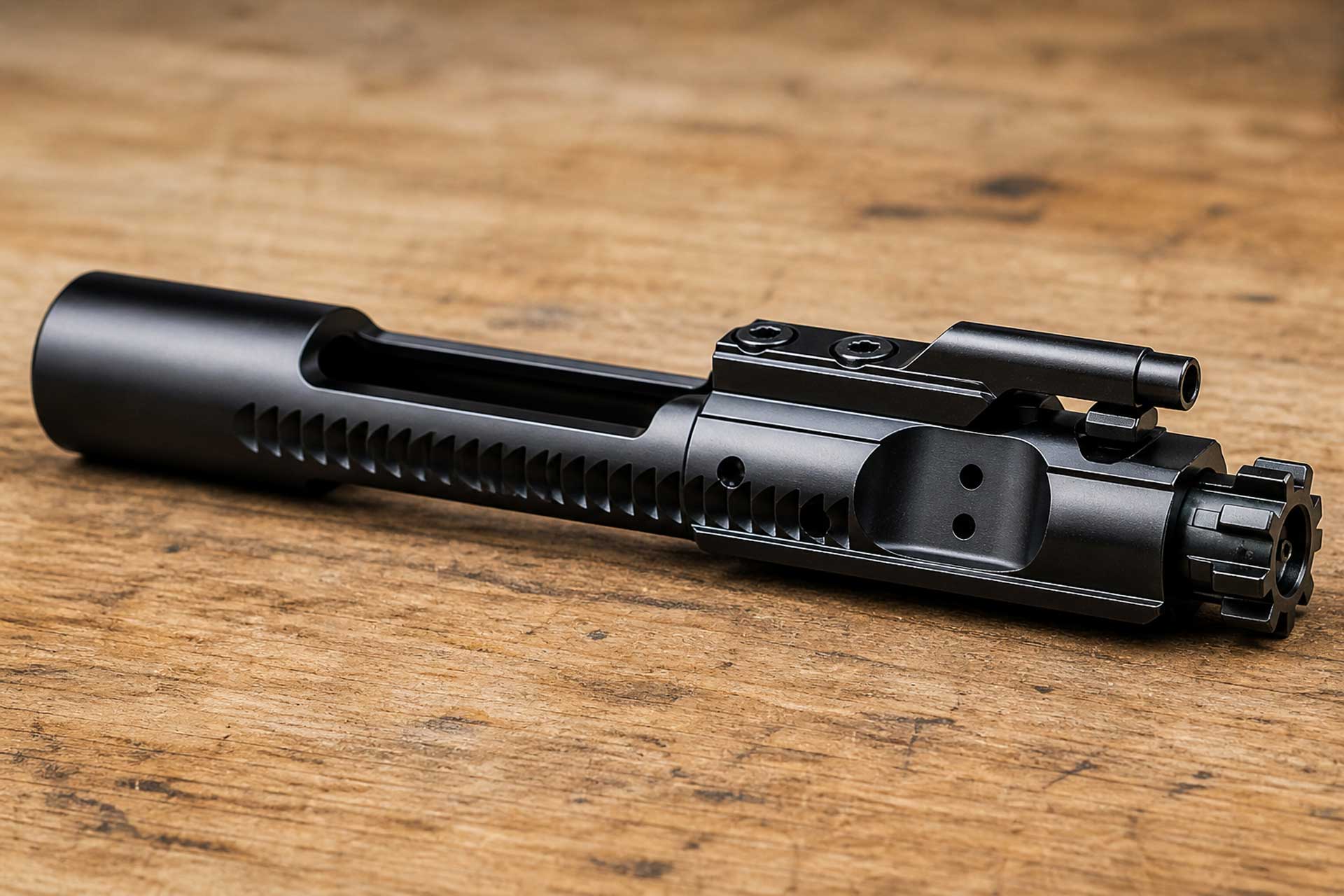
Choosing the right bolt carrier group is one of the most important decisions in any AR-15 build. It directly affects reliability, durability, cycling consistency, and how well your rifle handles different conditions. While many parts contribute to performance, the BCG sits at the center of the system, interacting with gas pressure, cycling speed, chambering, extraction,…
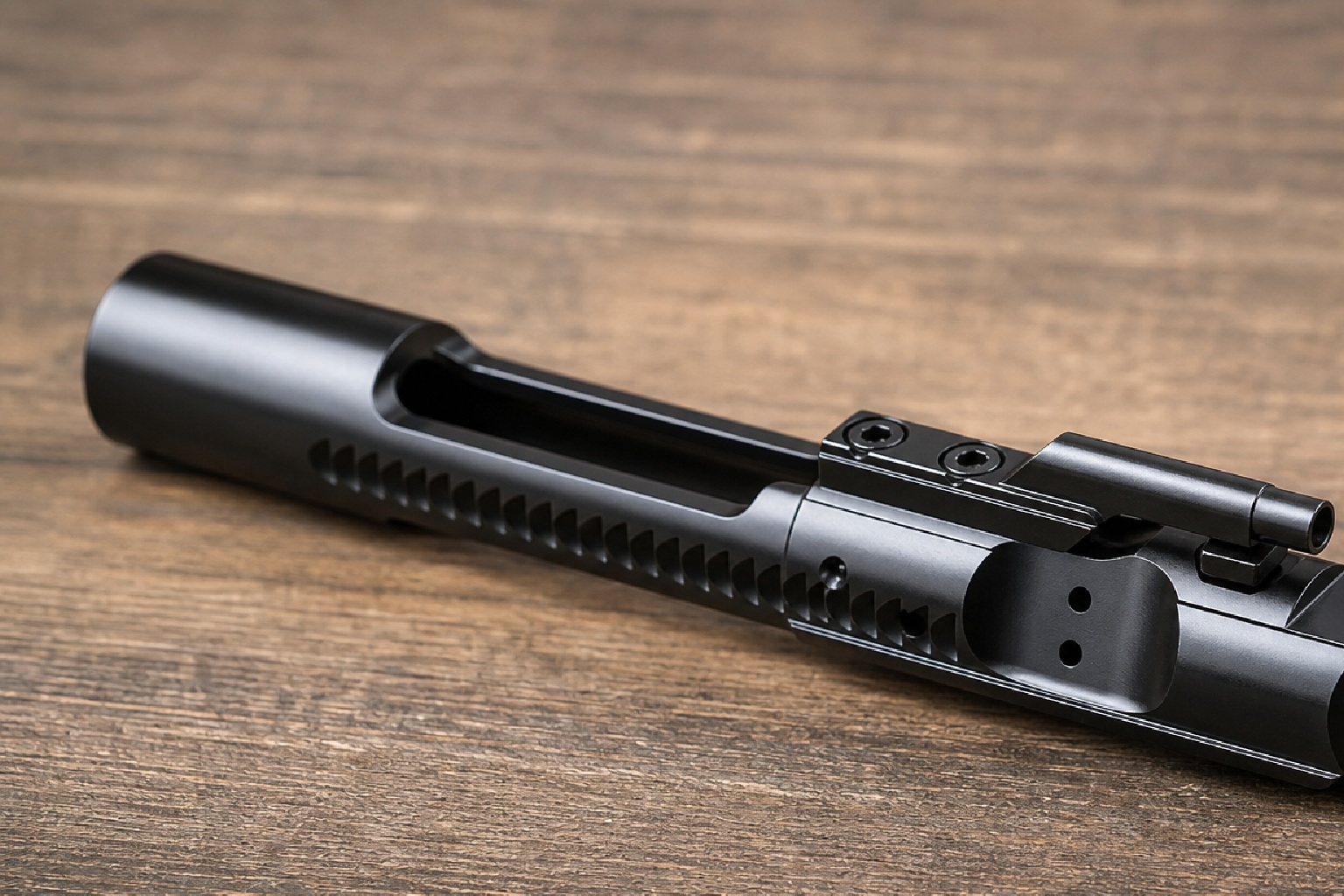
A bolt carrier group buying guide should do more than list coatings, brands, or price points. The bolt carrier group is one of the most important functional assemblies in an AR-15 because it directly controls chambering, locking, firing support, extraction, ejection, and cycling. If the BCG is poorly made, poorly matched, or poorly maintained, the…
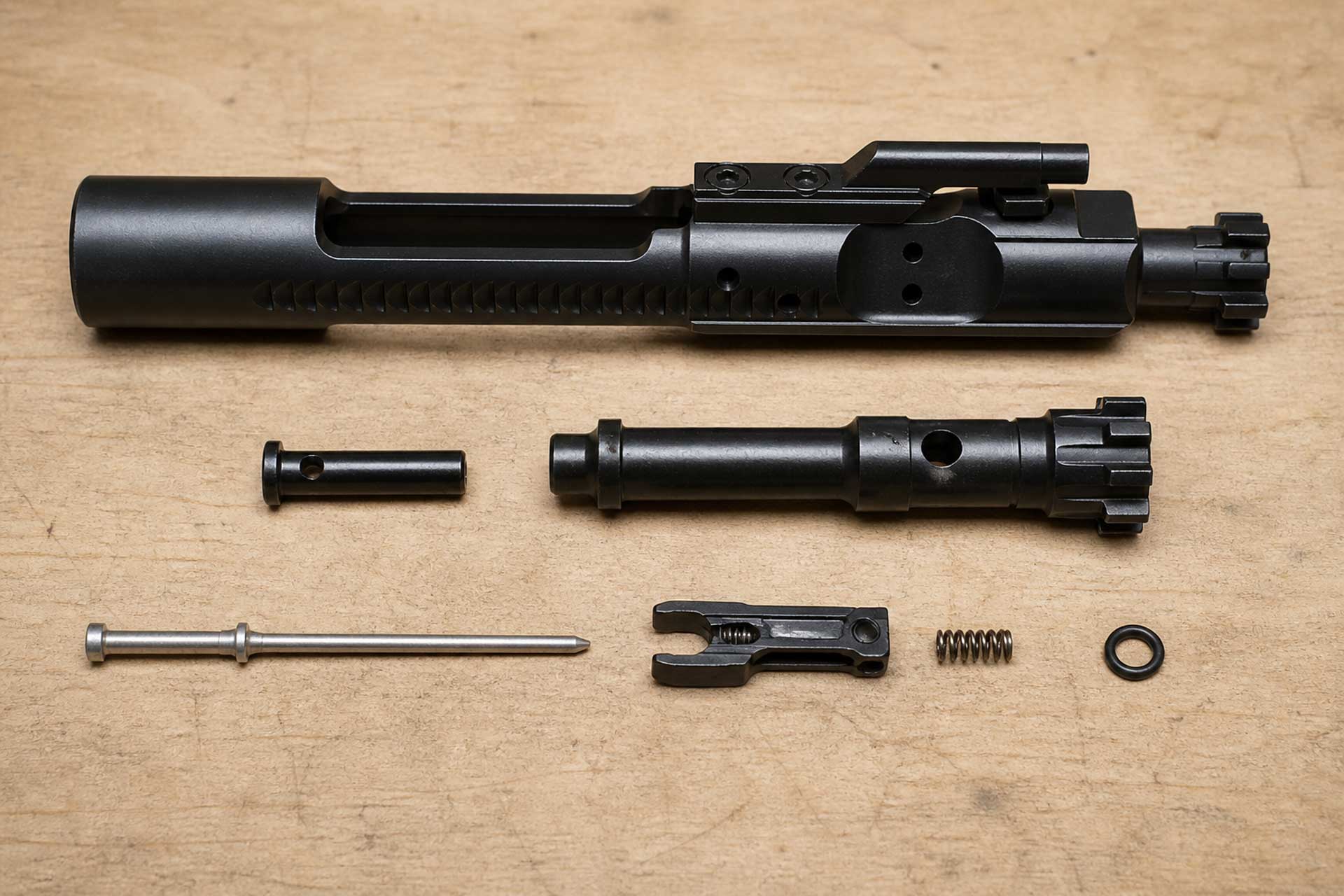
Bolt carrier group maintenance is one of the most practical skills you can develop as an AR-15 owner. It sits at the center of reliability, directly affecting how consistently your rifle cycles, how long components last, and how well the system performs under real-world use.
The bolt carrier group (BCG) handles feeding, firing, extracting, and ejecting—essentially…
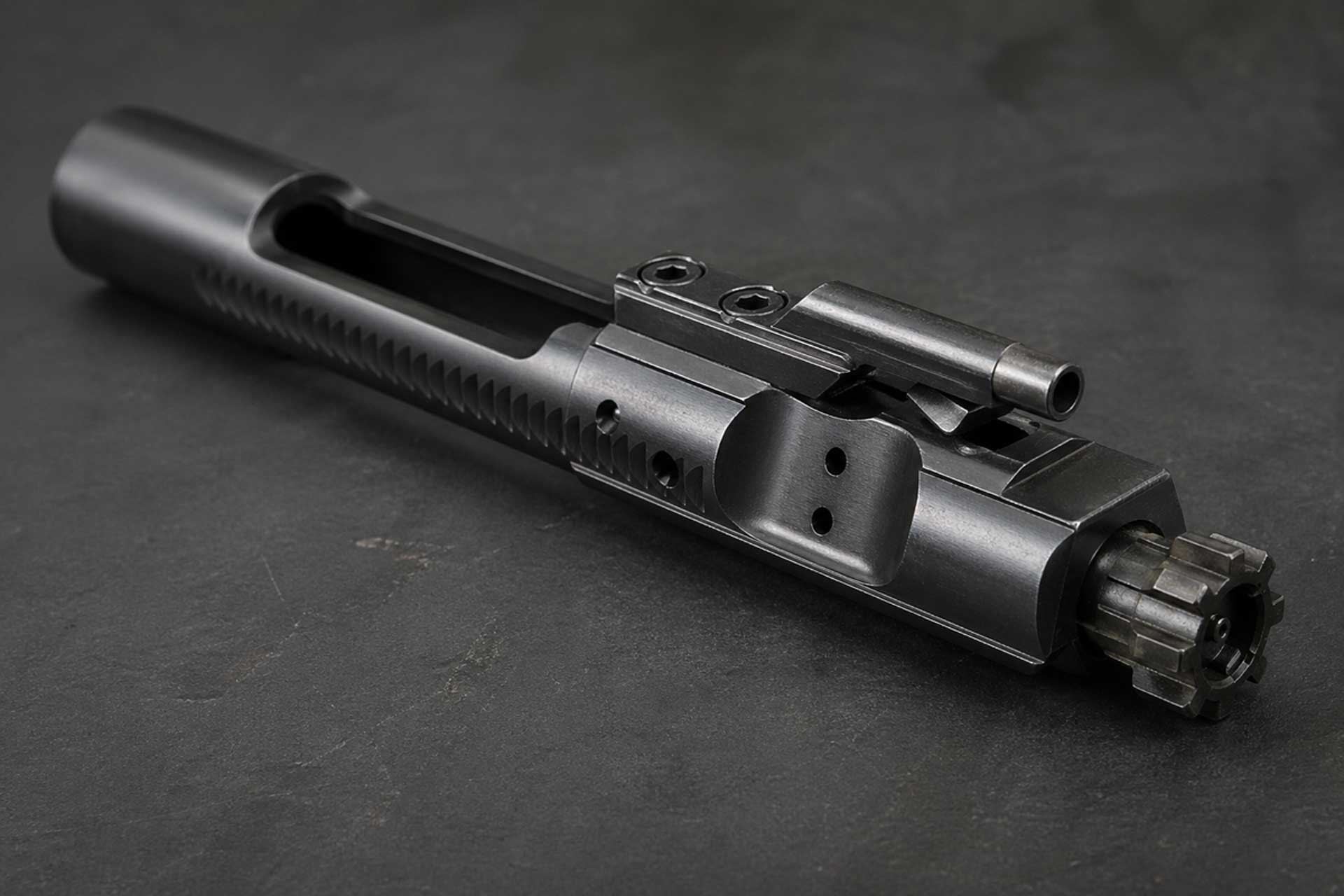
The bolt locking and unlocking process is one of the most critical mechanical functions inside the AR-15 platform. It determines when the rifle can safely fire, when it begins to cycle, and how reliably it operates under different conditions. While many shooters understand the basics of firing and recoil, far fewer understand what actually happens…
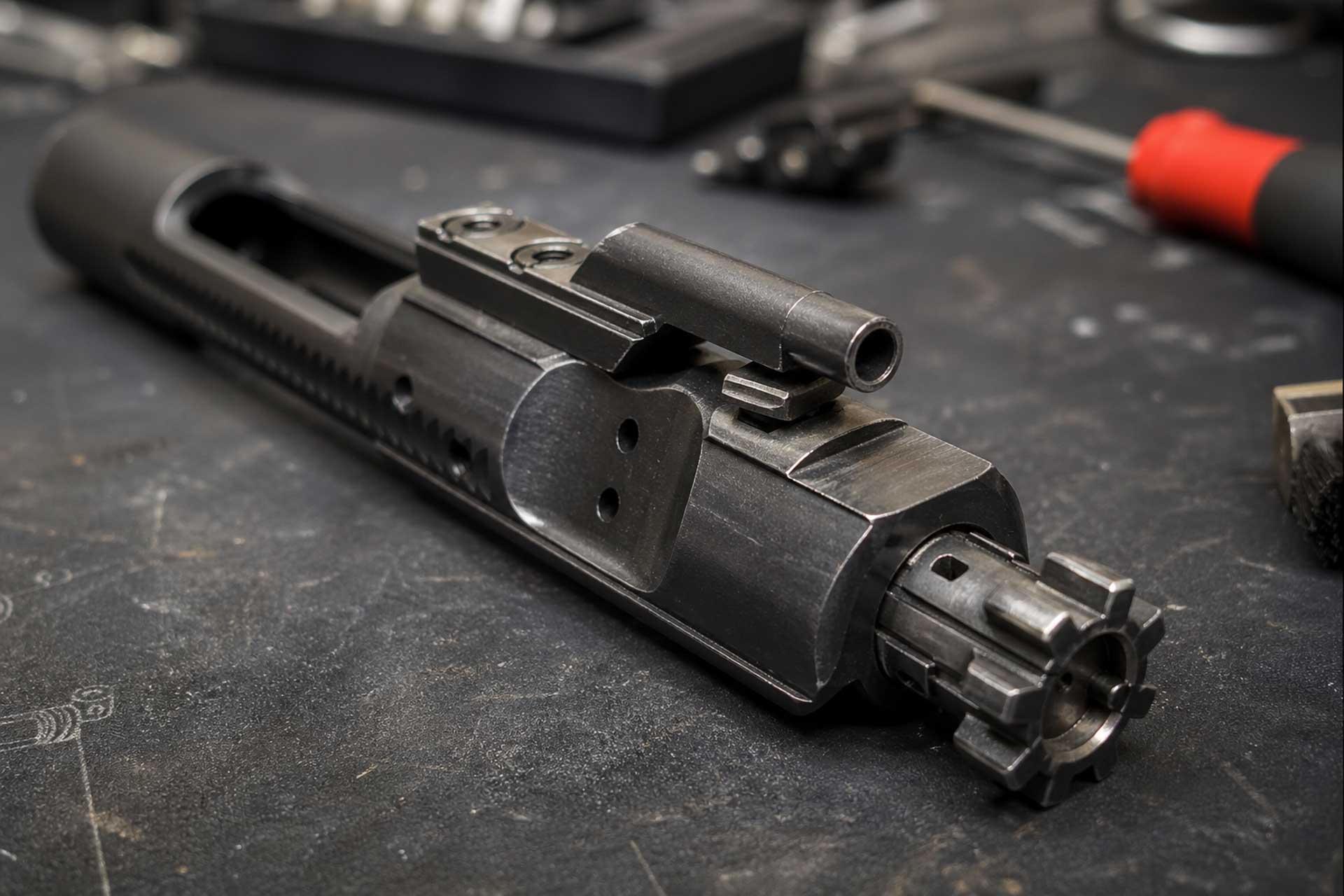
A rifle that fails to cycle correctly is rarely “just a bad part.” More often, it’s a system imbalance—and the bolt carrier group sits at the center of it. When something goes wrong, the symptoms show up through the BCG: failure to eject, short stroking, inconsistent feeding, or sluggish return to battery.
To understand why those…
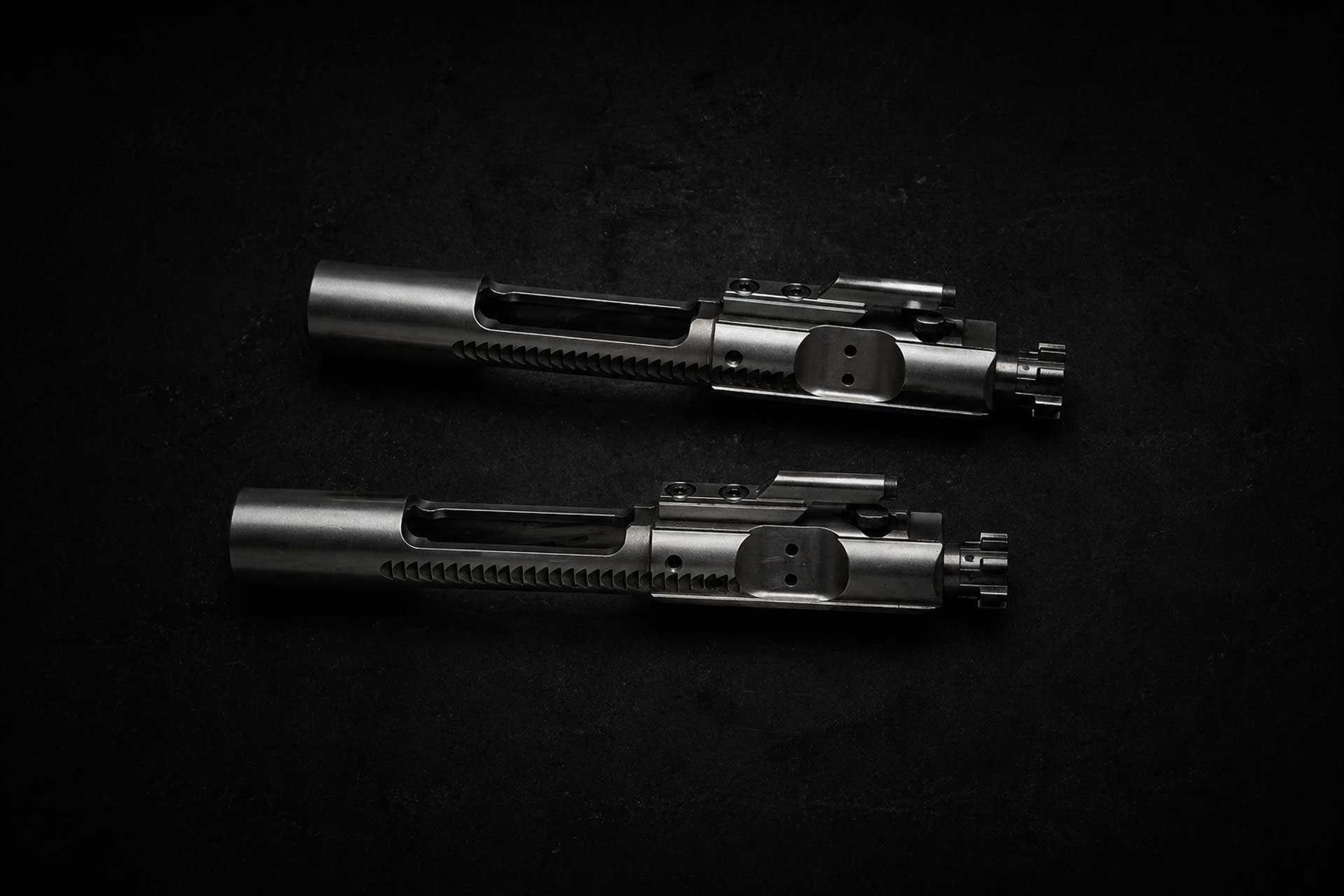
A bolt carrier group (BCG) is often treated as a drop-in component. In reality, it’s one of the most sensitive parts in the AR-15 system when it comes to compatibility. A BCG that “fits” is not necessarily a BCG that works correctly within a given build.
The reason is simple: the BCG doesn’t operate independently. It…
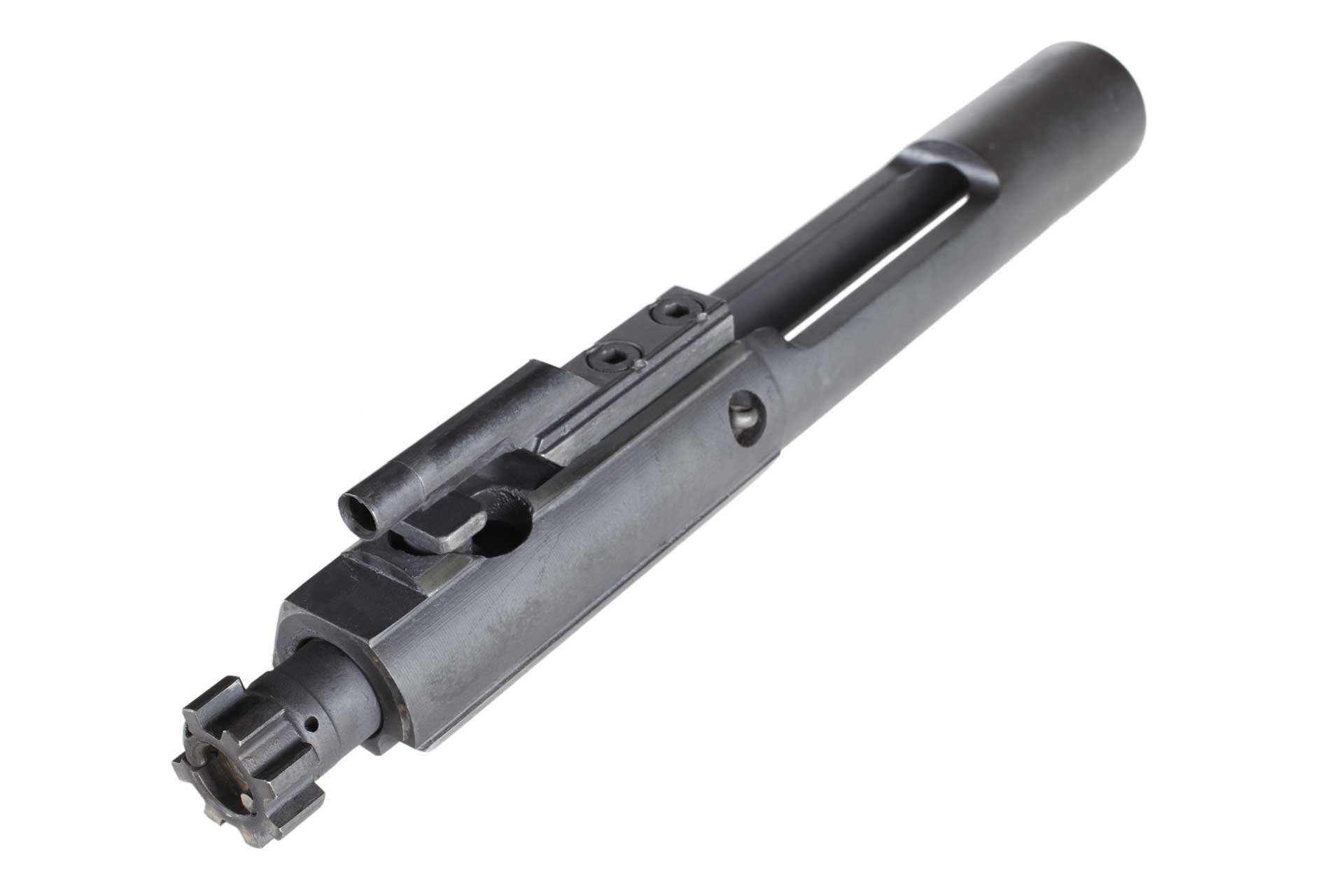
If you strip an AR-15 down to the components that actually make it function, one part consistently sits at the center of reliability, cycling, and performance: the bolt carrier group.
For many new builders and buyers, the bolt carrier group (often shortened to BCG) is something they recognize but don’t fully understand. It sits inside the…
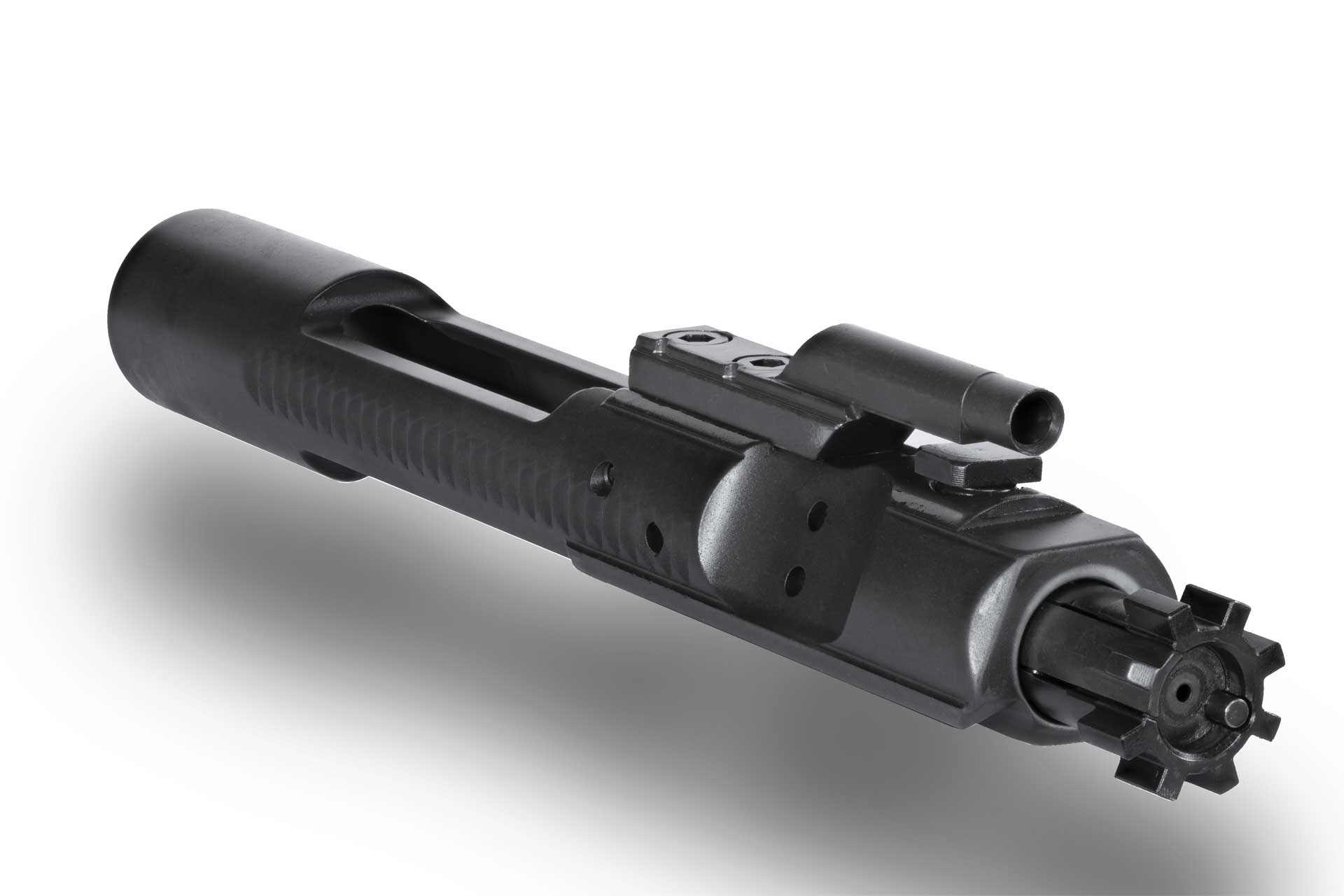
Choosing the right bolt carrier group (BCG) is one of the most important decisions in an AR build, especially when working within a budget. While many parts can be simplified or upgraded later, the BCG directly affects how the rifle cycles, feeds, and resets. A poor choice here can lead to reliability issues that outweigh…
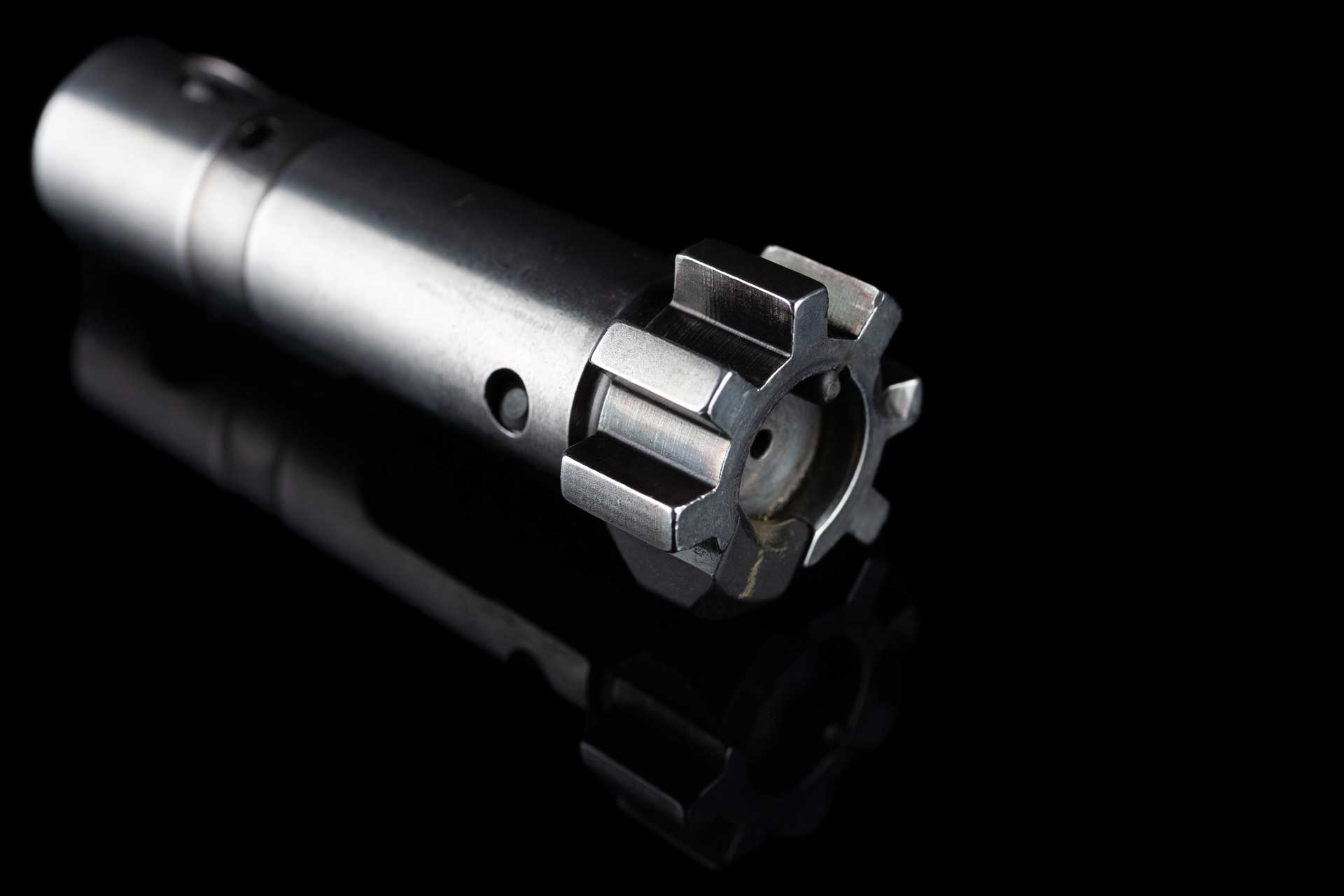
The bolt carrier group is the central moving assembly inside the AR platform. It handles locking, firing, extraction, ejection, and chambering. When people ask how the system actually runs, they are usually describing the work performed by this group of components. A broader AR platform overview helps frame the system, but the bolt carrier group…