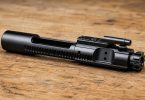



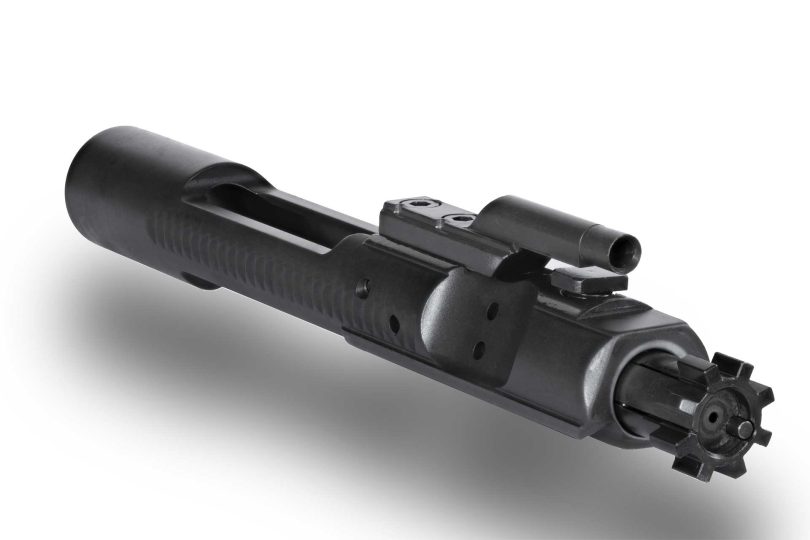

Choosing the right bolt carrier group (BCG) is one of the most important decisions in an AR build, especially when working within a budget. While many parts can be simplified or upgraded later, the BCG directly affects how the rifle cycles, feeds, and resets. A poor choice here can lead to reliability issues that outweigh any savings.
To understand why this matters, it helps to start with AR platform fundamentals. The AR-15 operates as a system, and the BCG is at the center of that system’s movement. When you cut costs incorrectly at this level, the entire rifle can suffer.
This guide focuses on identifying the best budget BCG options that maintain reliability without unnecessary cost. It is designed for first-time builders, practical users, and anyone building a cost-conscious AR. It is not intended for high-round-count duty use or specialized precision setups where higher-tier components may be required.
The goal is simple: help you choose a BCG that works consistently, fits your build correctly, and avoids the common traps associated with cheap components.
What Makes a Good Budget BCG
A budget BCG is not defined by the lowest price. It is defined by consistent performance at a reasonable cost. That means understanding what actually matters in the component.
If you’re unfamiliar with its role, reviewing how the bolt carrier group works provides context on how the system cycles. The BCG handles locking, firing, extraction, and reset. Each of those actions must occur smoothly for the rifle to function correctly.
At a minimum, a reliable budget BCG should include:
- Properly machined carrier and bolt
- Secure gas key installation
- Consistent material quality
- Functional, not cosmetic, surface treatment
Many buyers focus too heavily on coatings or appearance. While finishes can affect cleaning and wear, they do not replace proper manufacturing. This is one of the most common mistakes seen in lower-cost builds.
Key Features That Actually Matter
Not all specifications carry equal weight. Some directly affect function, while others are secondary.
Gas Key and Staking
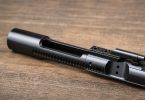
The gas key directs gas into the carrier to cycle the rifle. If it loosens or leaks, the system fails to operate correctly. This is why understanding gas key staking explained is important when evaluating a BCG.
Materials and Construction
The bolt and carrier must handle repeated stress cycles. Material quality determines durability over time. While premium alloys exist, many budget options perform well when properly manufactured.
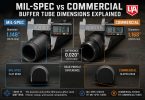
This ties into mil-spec vs commercial AR parts, where consistency and adherence to standards matter more than branding.
System Compatibility
The BCG must work with your upper receiver and gas system. If components are mismatched, cycling issues can occur.
This is where bolt carrier group compatibility becomes relevant, especially when mixing parts from different manufacturers.
Budget vs Premium BCG: What You’re Actually Giving Up
Budget BCGs are not inherently unreliable, but they often omit refinements found in higher-end options.
These differences typically include:
- Surface coatings (ease of cleaning vs performance)
- Testing standards (batch vs individual testing)
- Fit and finish consistency
Understanding direct impingement or piston systems also helps frame expectations. Most budget builds use direct impingement systems, where proper gas flow and sealing are more important than premium finishes.
For general use, a well-made budget BCG can perform reliably. The difference becomes more noticeable under high round counts or extreme conditions.
How Budget BCGs Fit Into a Complete Build
A BCG should never be evaluated in isolation. It functions as part of a larger system.
Looking at an AR-15 parts overview helps place the BCG within the full build. The upper receiver, gas system, and buffer system all interact with it.
Additionally, understanding how AR rifles cycle clarifies how gas pressure, timing, and movement affect reliability.
If the rest of the build is unbalanced, even a good BCG will not perform as expected.
This is why many builders refer back to a complete AR parts list when diagnosing issues or planning upgrades.
Common Budget BCG Buying Mistakes
Most problems with budget BCGs come from poor selection rather than inherent limitations.
Typical mistakes include:
- Choosing based on coating alone
- Ignoring gas key quality
- Mixing incompatible components
- Prioritizing cost over function
These issues are similar to those outlined in common AR build mistakes, where short-term savings lead to long-term problems.
Another overlooked factor is maintenance. Even the best components require care. Reviewing bolt carrier group maintenance ensures longevity and consistent performance.
Best Budget BCG Options to Consider
When evaluating actual options, it helps to compare across tiers rather than focusing on a single product.
For broader context, reviewing best bolt carrier groups shows how budget options compare to mid-range and premium choices.
If your priority is durability under heavier use, best BCG for reliability provides a more focused evaluation.
For a deeper buying framework, bolt carrier group buying guide outlines what to look for across all price ranges.
In most cases, a budget BCG should:
- Meet basic functional standards
- Come from a reputable manufacturer
- Fit standard AR configurations
Spending slightly more for proven reliability often provides better value than choosing the lowest-cost option.
When a Budget BCG Makes Sense (and When It Doesn’t)
A budget BCG is a practical choice when the build is intended for general use, training, or moderate range time.
It is not the best choice when:
- The rifle will see heavy sustained use
- Maximum reliability is required under all conditions
- The build is performance or competition-focused
Understanding where your build fits within AR-10 versus AR-15 differences can also influence expectations, as platform demands vary.
In many cases, upgrading later is a better approach than over-investing early.
Frequently asked questions about the best budget bcg
What is considered a budget BCG?
A budget BCG is typically a lower-cost option that still meets basic reliability standards. It avoids premium features but maintains core functionality.
Are cheap BCGs reliable?
Some are, but reliability depends on manufacturing quality and proper assembly. Extremely low-cost options often sacrifice consistency.
Do coatings matter on a BCG?
Coatings can improve cleaning and wear resistance, but they do not replace proper materials or manufacturing quality.
How do I know if a BCG is good quality?
Look for proper gas key staking, consistent machining, and compatibility with standard AR components.
Should I upgrade my BCG later?
If your current BCG performs reliably, upgrading is not necessary. Improvements should be based on actual performance needs.
Can a budget BCG work in any AR-15?
Most standard BCGs are compatible with AR-15 platforms, but fit and function should always be verified.
Conclusion
A budget BCG can be a reliable part of an AR build when chosen correctly. The key is to focus on function, compatibility, and consistent manufacturing rather than chasing features that do not improve performance.
By understanding how the component works, avoiding common mistakes, and selecting proven options, you can build a system that performs well without unnecessary cost.
The goal is not to spend the least amount possible. It is to spend where it matters.