



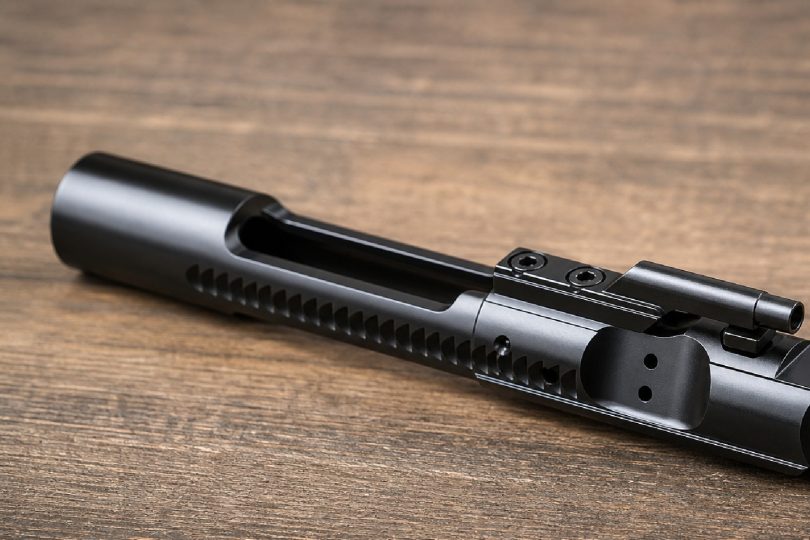

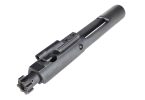
A bolt carrier group buying guide should do more than list coatings, brands, or price points. The bolt carrier group is one of the most important functional assemblies in an AR-15 because it directly controls chambering, locking, firing support, extraction, ejection, and cycling. If the BCG is poorly made, poorly matched, or poorly maintained, the rifle can become inconsistent no matter how good the rest of the build looks on paper.
Understanding what makes a good BCG is not just about avoiding cheap parts. It is about matching the component to your rifle’s operating system, intended use, gas behavior, maintenance expectations, and reliability goals. A range rifle, a suppressed build, a defensive setup, and a budget build may all benefit from different priorities.
To understand why the BCG matters so much, it helps to see where it sits within the AR-15 cycle of operations. Every stage, from feeding to locking and extraction, depends on the bolt carrier group moving correctly and consistently.
This guide is built for builders choosing their first BCG, shooters upgrading a factory part, and anyone trying to make a more reliable AR-15 without relying on marketing claims. It is not for buyers looking for the most expensive option by default or the cheapest part regardless of quality. The goal is to help you make a durable, informed decision based on how the rifle will actually be used.
What a Bolt Carrier Group Actually Does
At a mechanical level, the BCG is responsible for converting gas pressure into the movement that cycles the rifle. It houses the bolt, interfaces with the gas system, locks into the barrel extension, extracts spent cases, and returns forward to chamber the next round.
If you want a deeper mechanical explanation, understanding how the bolt carrier group works clarifies why material quality, gas key integrity, extractor function, and tolerances matter so much.
The BCG performs several key actions during operation. It strips a round from the magazine, pushes it into the chamber, locks the bolt into the barrel extension, supports firing, unlocks after pressure drops, extracts the spent case, and helps reset the system for the next shot.
This movement is directly influenced by how the AR-15 gas system works, because gas pressure determines how much force drives the carrier rearward. Too much force can increase wear and recoil impulse. Too little force can cause short-stroking or incomplete cycling.
Why this matters: a BCG is not simply a metal part that “fits.” It is a moving assembly that has to work within a timing system. A poorly matched or poorly made BCG can disrupt the entire rifle.
Key Factors That Define a Good BCG
The best BCG for your build is not always the most expensive one. A good BCG is the one that combines proper materials, correct machining, reliable gas sealing, durable surface treatment, and compatibility with the rest of the system.
Material and Manufacturing Quality
Most quality BCGs use a strong carrier body, a properly manufactured bolt, and tested small components. Common materials include 8620 steel for the carrier body and either Carpenter 158 or 9310 steel for the bolt. Both bolt materials can work well when heat treatment, machining, and quality control are handled correctly.
Material names matter, but they do not tell the whole story. A technically correct material can still fail if machining is poor, heat treatment is inconsistent, or inspection standards are weak.
Testing and Quality Control
Look for evidence of quality control, not just feature lists. High pressure testing, magnetic particle inspection, proper staking, and consistent machining all matter more than cosmetic upgrades. These details help reduce the chance of hidden defects, especially in rifles expected to see higher round counts.
Gas Key and Staking
The gas key must be properly attached and secured. If the gas key loosens, gas can leak before enough force reaches the carrier, causing cycling failures. This is why gas key staking explained is a useful topic for buyers, not just maintainers.
Good staking should visibly secure the gas key screws. Poor staking is one of the clearest signs that quality control may be weak.
Coatings and Surface Treatments
Coatings affect friction, cleaning ease, corrosion resistance, and sometimes perceived smoothness. They do not turn a poor BCG into a good one, but they can make a quality BCG easier to maintain and better suited to specific use cases.
Common finishes include phosphate, nitride, nickel boron, chrome, and other premium surface treatments. Phosphate remains common because it is proven and durable. Nitride offers a slicker surface and good corrosion resistance. Nickel boron is often chosen for easier cleaning, though quality varies by manufacturer.
A dedicated bolt carrier group coatings comparison is useful because coating choice is often overemphasized. The coating should support the build’s maintenance and use requirements, not replace good machining or proper assembly.
For most users, coating should be treated as a secondary decision. First, confirm the BCG is properly manufactured. Then choose the finish that best matches your maintenance preferences and use case.
Compatibility and System Fit
Most standard AR-15 BCGs are broadly interchangeable, but “fits” does not always mean “runs optimally.” Compatibility depends on the full system: barrel, chamber, gas system, buffer setup, ammunition, and receiver fit.
This is why AR-15 parts compatibility basics matter when selecting a BCG. A part can be dimensionally compatible but still contribute to timing or reliability issues if the rest of the rifle is already on the edge of proper function.
Compatibility also changes depending on operating system. The relationship between direct impingement vs piston systems matters because direct impingement systems route gas into the carrier, while piston systems apply force differently. Some piston systems may require specific carriers or proprietary components.
In a standard direct impingement build, a quality full-mass BCG is usually the safest general-purpose option. In specialized builds, especially suppressed or tuned rifles, carrier weight and gas behavior deserve more attention.
Use Case Breakdown: Choosing the Right BCG
A buying guide should connect specs to real decisions. The right BCG depends on what the rifle is expected to do.
General Range Rifle
For most range rifles, a properly made standard BCG with phosphate or nitride finish is enough. The priorities are reliability, reasonable cost, and easy replacement. There is no need to overpay for features that will not meaningfully improve normal use.
Defensive or Duty-Focused Rifle
For rifles where reliability is the priority, quality control matters more than cosmetics. Look for proven materials, proper testing, strong staking, and a track record of consistent function. This is where a buyer may reasonably spend more.
Suppressed or High-Round-Count Rifle
Suppressed and high-volume setups usually introduce more heat, fouling, and gas pressure. Understanding AR-15 dwell time explained helps explain why cycling can become more sensitive in these builds.
For these rifles, a durable finish, strong extractor setup, and consistent gas sealing become more important. You may also need more frequent maintenance, which makes how to clean a bolt carrier group part of the buying decision rather than an afterthought.
Budget Builds
Budget builds can run well, but the BCG is not the best place to gamble. A low-cost carrier with weak staking, poor machining, or questionable bolt quality can create failures that are harder to diagnose later.
If you are assembling a rifle from parts, avoiding common AR build mistakes matters as much as choosing a decent BCG. The part needs to fit the system, not just the shopping cart.
Full-Auto vs Semi-Auto Carrier Profiles
Buyers often see “full-auto profile” and assume it means something legally or functionally dramatic. In common AR-15 buying context, it usually refers to carrier mass and rear profile, not automatic function by itself.
A full-mass carrier is often preferred because it supports smoother cycling and is widely used in quality builds. Lightweight carriers may have a place in tuned competition-style rifles, but they are less forgiving when the rest of the system is not carefully balanced.
For most buyers, the safer recommendation is simple: choose a quality full-mass carrier unless you have a specific reason to tune around a lightweight one.
How the BCG Interacts With the Rest of the Rifle
The BCG works inside a larger mechanical system. It is affected by gas pressure, buffer weight, spring strength, receiver alignment, and chamber condition.
To understand that larger structure, AR platform fundamentals explains how the rifle’s main systems interact. The BCG is one of the central moving pieces inside that structure.
The rifle cycling process also helps frame the BCG as part of a sequence, not an isolated upgrade. If the rifle is undergassed, overgassed, poorly buffered, or dirty, even a strong BCG may not solve the issue by itself.
The AR-15 buffer system basics are especially relevant because buffer weight and spring resistance affect carrier speed. A BCG that works well with one buffer setup may feel different with another.
When a BCG Upgrade Makes Sense
A BCG upgrade makes sense when the current part has poor staking, visible wear, unreliable extraction, weak gas sealing, or questionable origin. It also makes sense when the rifle is being built for higher round counts, suppressed use, or reliability-focused roles.
It may not make sense when the current BCG is already reliable and the only motivation is appearance. A new coating or premium label will not automatically improve function.
If your rifle is already having malfunctions, start with a bolt carrier group troubleshooting guide before assuming replacement is the answer. Sometimes the issue is gas, buffer weight, ammunition, magazine condition, or maintenance.
That said, if inspection shows poor quality or recurring wear, replacement can be the smarter long-term decision.
Buying Decision Framework
Use this framework before buying:
- Use case: Range, defensive, suppressed, competition, or budget build?
- Carrier profile: Full-mass for general reliability; lightweight only for tuned systems.
- Bolt quality: Proper material, heat treatment, and inspection matter.
- Gas key: Look for proper staking and clean machining.
- Coating: Choose based on maintenance preference, not marketing alone.
- Compatibility: Confirm the BCG fits the system, not just the receiver.
If you want product-specific comparisons, best bolt carrier groups should be the next step after understanding the selection criteria.
If your priority is durability under demanding use, best BCG for reliability narrows the decision around reliability-first builds.
For builders starting from a broader parts package, complete AR build kits can reduce mismatch risk by keeping major components aligned.
FAQ: Bolt Carrier Group Buying Guide
Do all bolt carrier groups fit every AR-15?
Most standard AR-15 bolt carrier groups are broadly interchangeable, but tolerance differences, gas system behavior, chamber condition, and buffer setup can affect performance. Fit does not always guarantee optimal function.
Is a more expensive bolt carrier group worth it?
A more expensive BCG can be worth it when it provides better materials, machining, testing, staking, and quality control. For casual range use, a well-made mid-tier BCG is often enough.
What coating is best for a bolt carrier group?
No coating is best for every rifle. Phosphate is proven and durable, nitride is slick and corrosion-resistant, and nickel boron can be easier to clean when properly applied.
How does the gas system affect BCG performance?
The gas system controls how much force drives the carrier. Too much gas can increase speed and wear, while too little gas can cause short-stroking or incomplete cycling.
Should I choose a full-auto profile BCG?
For most general-purpose AR-15 builds, a full-mass or full-auto profile carrier is a solid choice because it supports consistent cycling and is widely used in reliable configurations.
What causes most bolt carrier group failures?
Common causes include poor staking, weak extractor components, worn gas rings, poor materials, improper gas balance, and lack of maintenance. Many failures are system-related, not just part-related.
Conclusion
A bolt carrier group is not just another AR-15 part. It is the moving assembly that makes the rifle cycle, lock, extract, eject, and return to battery. Choosing the right one means looking beyond finish, price, or brand claims.
The best buying decision starts with use case. A general-purpose range rifle may only need a well-made standard BCG. A defensive, suppressed, or high-round-count build may justify tighter quality control, stronger testing, and better surface treatment.
Most importantly, the BCG has to fit the rifle as a system. Gas pressure, buffer setup, receiver fit, chamber condition, and maintenance habits all shape how well the carrier performs.
For most buyers, the right answer is not the cheapest BCG or the most expensive one. It is the one that balances quality, compatibility, reliability, and intended use. That is what turns a parts purchase into a durable decision.




Leave a Comment