



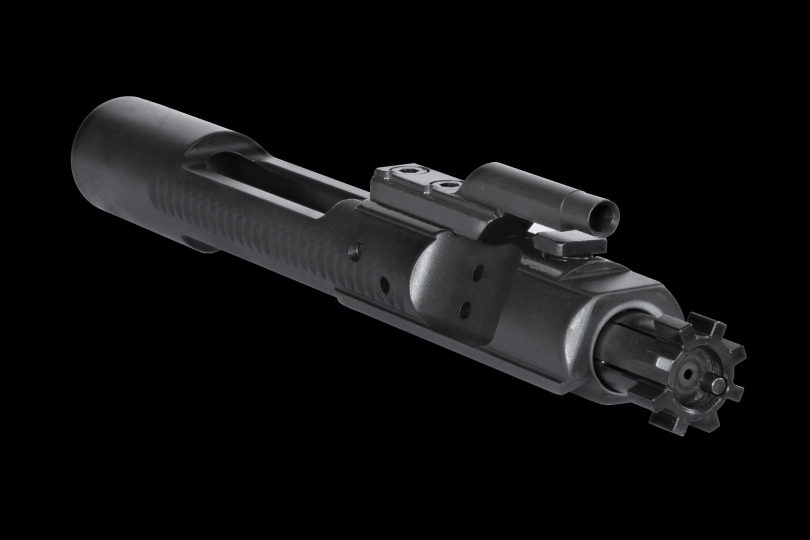

The bolt carrier group (BCG) is the mechanical core of the AR-15 platform. It controls firing, extraction, chambering, and cycling—essentially determining whether the rifle runs smoothly or fails under pressure. If you’re trying to understand how an AR-15 actually functions, the BCG is where that understanding becomes real.
At a glance, it can look like a single chunk of metal. In reality, it’s a coordinated system of moving parts responding to gas pressure, timing, and mechanical interaction. That system is part of a larger process, often referred to as the ar15 cycle of operations, where each step depends on precise sequencing.
This article breaks down how the bolt carrier group works, why it matters, and where it fits into your build, maintenance decisions, and reliability expectations.
What the Bolt Carrier Group Is and Why It Matters
The bolt carrier group is the assembly responsible for cycling the rifle after each shot. It houses the bolt, firing pin, cam pin, and carrier body—all working together to load, fire, extract, and reset the system.
Its function is directly tied to the ar15 gas system explained, which uses gas pressure from the fired round to drive the carrier rearward. That movement powers the entire cycle.
Why this matters:
- It determines reliability under different conditions
- It affects recoil impulse and cycling speed
- It directly impacts wear, maintenance, and long-term performance
This article is for users who want to understand how the system actually works—not just what parts exist. If you’re evaluating components or troubleshooting issues, understanding ar15 bolt carrier group explained gives you context. This piece focuses specifically on motion and function.
How the Bolt Carrier Group Cycles (Step-by-Step)
The BCG operates through a continuous forward and rearward motion powered by gas pressure and spring tension. Each step happens in sequence:
Firing
When the trigger is pulled, the hammer strikes the firing pin, which impacts the primer. This ignites the cartridge and sends the bullet down the barrel.
Gas Expansion and Rearward Movement
As the bullet travels forward, gas is diverted through the gas port and into the carrier key. This pressure pushes the carrier backward. This interaction is a defining characteristic of the direct impingement vs piston system.
Unlocking the Bolt
The cam pin forces the bolt to rotate, unlocking it from the barrel extension. This is a critical timing event that relates closely to bolt locking and unlocking process.
Extraction and Ejection
The extractor pulls the spent casing from the chamber while the ejector pushes it out of the ejection port.
Rearward Stroke Completion
The carrier continues backward, compressing the buffer spring and resetting the hammer.
Forward Return and Chambering
The buffer spring pushes the carrier forward again, stripping a new round from the magazine and chambering it.
This entire motion is influenced by system timing factors like ar15 dwell time explained, which affect reliability and consistency.
Where the BCG Fits in the System
The bolt carrier group does not operate in isolation. It interacts with multiple systems:
- Gas system (drives movement)
- Buffer system (controls return force)
- Barrel extension (locks the bolt)
- Magazine (feeds rounds)
Understanding these relationships is essential for diagnosing issues or making upgrades. For example, improper ar15 headspace explained can affect safety and function at the bolt level.
If you’re breaking down components individually, bcg parts explained helps isolate each element. But real performance comes from how those parts interact during motion.
Use-Case: Who Needs to Understand This (and Who Doesn’t)
This level of understanding is useful if you:
- Are diagnosing cycling or reliability issues
- Are selecting or comparing BCGs
- Are building or tuning a rifle
- Want to understand system timing and wear
It is less necessary if you:
- Only need basic operation knowledge
- Are not modifying or maintaining your rifle
For buyers, understanding how the system works informs decisions on materials, coatings, and manufacturing quality. That becomes relevant when evaluating options like the best bolt carrier group.
Tradeoffs and What Affects Performance
The BCG’s function is influenced by several variables:
- Gas pressure: Too much or too little affects cycling
- Mass: Heavier carriers can slow cycling
- Coatings: Affect friction and maintenance
- Staking and assembly: Impacts durability
For example, proper gas key staking explained ensures gas is properly directed into the carrier.
Material and surface treatment decisions are often compared in resources like bolt carrier group coatings comparison, especially when balancing cleaning ease versus long-term wear.
Maintenance also plays a direct role. If cycling becomes inconsistent, reviewing bcg troubleshooting guide can help identify root causes tied to function.
Maintenance and Reliability Considerations
The BCG is a high-friction, high-stress component. Regular inspection and cleaning are essential.
Key areas to monitor:
- Carbon buildup on the bolt and carrier
- Extractor wear
- Gas key integrity
- Lubrication levels
Routine upkeep, including how to clean a bolt carrier group, ensures consistent cycling and prevents premature wear.
For long-term reliability, following a structured bolt carrier group maintenance approach helps extend service life.
How This Connects to Buying and Build Decisions
Understanding function leads directly into evaluation.
If you know how the BCG works, you can better assess:
- Material quality (Carpenter 158 vs alternatives)
- Coating types
- Assembly quality
- Compatibility with your setup
This becomes especially relevant when using a bolt carrier group buying guide, where performance characteristics matter more than marketing claims.
Compatibility also matters across builds. A bcg compatibility guide helps ensure your selection works with your upper, gas system, and intended use.
For reliability-focused setups, evaluating options through something like best bcg for reliability ties performance directly to real-world use.
FAQ: Bolt Carrier Group Function and Performance
What actually moves the bolt carrier group?
Gas pressure from the fired round is redirected through the gas system into the carrier key. This pressure drives the carrier rearward, initiating the cycle.
Why does the bolt rotate during cycling?
The cam pin forces the bolt to rotate as the carrier moves. This locks and unlocks the bolt from the barrel extension, allowing safe firing and extraction.
What causes a BCG to fail to cycle properly?
Common causes include insufficient gas, excessive friction, poor lubrication, or worn components. Gas leaks and weak buffer springs can also disrupt the cycle.
Does BCG weight affect performance?
Yes. Heavier carriers can slow down the cycle and reduce recoil impulse, while lighter carriers can increase cycling speed but may affect reliability depending on the setup.
How often should a bolt carrier group be cleaned?
Cleaning frequency depends on use, but regular inspection and cleaning after extended firing sessions helps maintain consistent performance and prevent buildup-related issues.




Leave a Comment