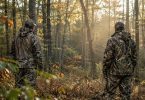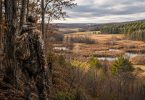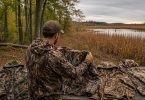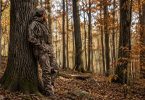




Understanding the different types of camo is less about memorizing pattern names and more about understanding why those patterns exist in the first place. Most camouflage discussions quickly turn into brand debates, pattern comparisons, and personal preferences. Those conversations can be useful, but they often miss the larger question.
The goal of camouflage is not to look impressive. The goal is to reduce visual detection within a specific environment.
That distinction matters because many camouflage buying decisions begin with the wrong question. Instead of asking which pattern is best, a better starting point is determining where the camouflage will actually be used. A pattern designed for dense woodland conditions solves a different problem than one designed for open desert terrain or snow-covered landscapes.
Here’s where people often get confused. They assume there is a universally superior camouflage pattern. In practice, camouflage is largely a matter of environment matching. A premium pattern used in the wrong terrain can perform worse than a basic pattern selected for the right conditions.
This guide explains the major types of camo, how they differ, where each pattern works best, and how to evaluate camouflage through a practical decision-making framework rather than marketing claims.
What Is Camouflage and Why Does It Matter?
Camouflage is a visual concealment system designed to disrupt recognition and reduce detection. While individual patterns vary significantly, most camouflage systems attempt to accomplish one or more of the following objectives:
- Break up the human outline
- Blend into a specific environment
- Reduce contrast against surrounding terrain
- Create visual confusion at distance
- Mimic natural textures and colors
The specific pattern itself is only part of the equation. Movement, positioning, lighting conditions, vegetation, and distance often have a greater impact on concealment than the pattern alone.
Many hunters spend considerable time comparing camouflage brands while paying less attention to movement and terrain selection. In practice, poor positioning can eliminate any advantage a camouflage pattern provides.
Understanding how camouflage functions helps create a better framework for evaluating how camouflage works and determining whether a particular pattern actually fits the intended environment.
A Practical Framework for Choosing Camouflage
Before looking at specific camouflage categories, it helps to establish a decision framework.
When evaluating camouflage, focus on:
- Environment
- Season
- Intended activity
- Typical engagement distance
- Versatility requirements
For example, a turkey hunter operating in dense spring vegetation faces different concealment requirements than a waterfowl hunter sitting inside a marsh blind.
The camouflage industry often rewards novelty. New patterns appear regularly, and marketing materials frequently emphasize proprietary technologies or advanced concealment concepts. Some innovations provide legitimate advantages. Others solve problems that many users never actually encounter.
The question should never be:
Which camouflage pattern is the newest?
The better question is:
Which camouflage pattern matches the environment where it will be used?
This same decision-making approach applies whether evaluating best camo for hunting or comparing specialized patterns designed for specific game species.
Woodland Camouflage
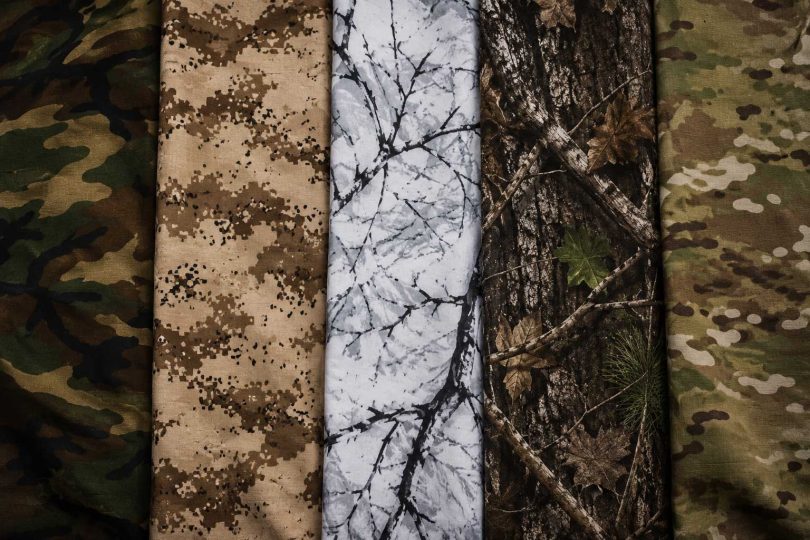
Woodland camouflage remains one of the most recognizable camouflage categories. These patterns typically feature combinations of green, brown, black, and tan tones intended to blend into forested environments.
Woodland patterns work best in:
- Dense forests
- Mixed hardwood environments
- Heavily vegetated terrain
- Moderate-to-high foliage conditions
The primary strength of woodland camouflage is its ability to blend into environments containing significant vegetation and natural shadow variation.
The tradeoff is versatility.
While woodland patterns perform well in forests, they often become more noticeable in open grasslands, agricultural fields, rocky terrain, or arid environments.
For many hunters, woodland camouflage represents a practical starting point because of its broad applicability across eastern and northern hunting regions.
Readers evaluating woodland systems may also benefit from comparing multicam vs woodland to understand how modern multi-environment patterns differ from traditional forest-focused designs.
Desert Camouflage
Desert camouflage prioritizes lighter color palettes intended for arid environments with limited vegetation.
Common characteristics include:
- Tan tones
- Light brown coloration
- Sand-colored backgrounds
- Reduced dark contrast elements
Desert patterns perform best in:
- Arid regions
- Dry grasslands
- Rocky terrain
- Sparse vegetation environments
One of the most common mistakes involves using heavily forest-oriented camouflage in open desert terrain. Dark woodland patterns can create unnatural contrast against lighter backgrounds, making detection easier rather than more difficult.
This highlights an important principle.
Camouflage effectiveness depends as much on avoiding the wrong pattern as selecting the right one.
Snow Camouflage
Snow camouflage addresses a very specific problem: concealment in environments dominated by snow and winter conditions.
These patterns typically incorporate:
- White backgrounds
- Gray accents
- Light contrast elements
- Minimal dark coloration
Snow camouflage can be extremely effective when conditions support it.
The limitation is obvious.
Its usefulness declines rapidly once snow coverage disappears.
This creates a classic specialization versus versatility tradeoff.
A highly specialized pattern often performs exceptionally well within its intended environment while offering little utility elsewhere.
For hunters who experience extended winter seasons, that specialization may be worthwhile. For others, a more versatile pattern may represent better long-term value.
Multicam and Transitional Patterns
Modern transitional camouflage patterns attempt to solve a different problem.
Rather than optimizing for a single environment, they seek acceptable performance across multiple environments.
Multicam is perhaps the most widely recognized example.
These patterns generally combine:
- Greens
- Tans
- Browns
- Gradient transitions
- Multi-environment color schemes
The primary advantage is flexibility.
Hunters and outdoorsmen operating across varied terrain may prefer transitional patterns because they reduce the need for environment-specific camouflage systems.
The tradeoff is that versatility rarely produces maximum optimization.
Many buying mistakes begin with assuming the most specialized option is always best. In reality, versatility often provides greater value when conditions regularly change.
This becomes particularly important when evaluating best camo patterns by terrain across multiple hunting environments.
Realtree, Mossy Oak, and Natural Environment Camouflage
While woodland, desert, and snow camouflage describe broad categories, many hunters encounter camouflage through commercial pattern families.
Realtree and Mossy Oak are among the most recognizable examples.
These systems often use realistic vegetation imagery designed to mimic specific natural environments.
Their popularity has led many hunters to frame camouflage selection as a brand decision.
Here’s where people get confused.
The brand itself is rarely the most important factor.
The environment the pattern was designed for matters more.
Two patterns from the same manufacturer can perform very differently depending on vegetation density, terrain composition, seasonal conditions, and viewing distance.
Rather than asking which brand is better, a more productive question is whether the pattern matches the intended environment.
Hunters comparing popular commercial options may benefit from examining Realtree vs Mossy Oak through the lens of intended use rather than brand loyalty.
Choosing Camouflage by Hunting Type
The best camouflage pattern often depends on the activity itself.
Deer Hunting
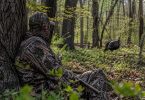
Deer hunters typically benefit from patterns that blend into wooded environments, transition zones, agricultural edges, and mixed terrain.
The specific environment usually matters more than the logo on the clothing.
Hunters evaluating concealment strategies for whitetail or mule deer environments should consider best camo for deer hunting as a more specialized decision guide.
Turkey Hunting
Turkey hunting places greater emphasis on close-range concealment and minimizing visual detection.
Movement control remains critical, but camouflage often plays a larger role because of the bird’s visual acuity.
Readers seeking environment-specific recommendations can evaluate best camo for turkey hunting for a more detailed breakdown.
Duck Hunting
Waterfowl environments introduce different concealment requirements.
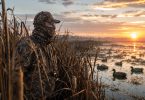
Marshes, wetlands, shoreline vegetation, and blind construction often influence camouflage effectiveness more than the pattern itself.
Hunters operating in those environments may benefit from reviewing best camo for duck hunting before selecting apparel.
Common Camouflage Buying Mistakes
Most camouflage mistakes begin long before the purchase.
They begin with the wrong decision framework.
Choosing Based on Popularity
Popularity does not automatically translate into effectiveness.
A highly regarded pattern can perform poorly when used outside its intended environment.
Prioritizing Brands Over Terrain
Many buyers start by selecting a manufacturer.
Terrain should come first.
Brand selection comes later.
Assuming More Expensive Means Better
More expensive camouflage often provides better materials, construction quality, and durability.
That does not automatically mean the camouflage pattern itself will perform better.
Many buyers end up paying for features they do not need because they never identified the problem they were actually trying to solve.
Ignoring Versatility Requirements
A highly specialized pattern can perform exceptionally well within a narrow set of conditions.
If hunting locations change frequently, versatility may deliver greater long-term value.
This is one of those decisions where optimization and practicality do not always point in the same direction.
How to Choose the Right Camouflage Pattern
For most hunters and outdoor enthusiasts, the process is simpler than it first appears.
- Identify the primary environment.
- Consider seasonal conditions.
- Determine whether versatility matters.
- Select a pattern designed for those conditions.
- Focus on movement, positioning, and fieldcraft rather than expecting camouflage to solve every concealment challenge.
Most camouflage discussions focus heavily on patterns because patterns are easy to compare.
The bigger factor is usually environmental matching.
A reasonably appropriate camouflage pattern combined with good positioning often outperforms a premium camouflage system used in the wrong conditions.
Readers looking for practical selection guidance may also find value in best camo for hunting, how camouflage works, and best camo patterns by terrain as they narrow their choices.
Frequently Asked Questions About Types of Camo
The best camouflage depends on the environment where it will be used. Woodland patterns often perform well in forests, while marsh, desert, snow, and transitional patterns are better suited to their respective environments.
Multicam can be effective for hunting because it performs reasonably well across multiple environments. The tradeoff is that it may not be as optimized as highly specialized patterns designed for a specific terrain type.
Camouflage can help reduce visual detection, but movement, positioning, scent management, and shot discipline often play larger roles in overall hunting success.
Both are commercial camouflage families that offer multiple patterns for different environments. The most important consideration is matching the specific pattern to the intended terrain rather than choosing a brand based solely on popularity.
No pattern works perfectly in every environment. Transitional patterns offer greater versatility, but they generally sacrifice some environment-specific optimization.
Most beginners are better served by versatile camouflage that performs reasonably well across a variety of conditions. Specialized patterns become more useful when hunting environments are consistent and predictable.
Conclusion
Understanding the different types of camo is ultimately about understanding tradeoffs.
No camouflage pattern is universally superior. Every pattern represents a series of design decisions intended to solve specific environmental challenges.
The most effective camouflage is rarely the newest, most expensive, or most heavily marketed option. It is the pattern that best matches the environment where it will actually be used.
For most hunters, that means focusing less on brand names and more on terrain, seasonal conditions, and intended use.
Once those factors are clear, choosing the right camouflage pattern becomes significantly easier. The goal is not finding the perfect pattern. The goal is selecting a pattern that fits the job well enough to support the larger objective.
That’s the difference between collecting camouflage and making an informed camouflage decision.