



An AR-15’s gas port is a small hole drilled into the barrel, but its influence over rifle behavior is much larger than its size suggests. Gas port sizing affects how aggressively the rifle cycles, how much recoil impulse the...
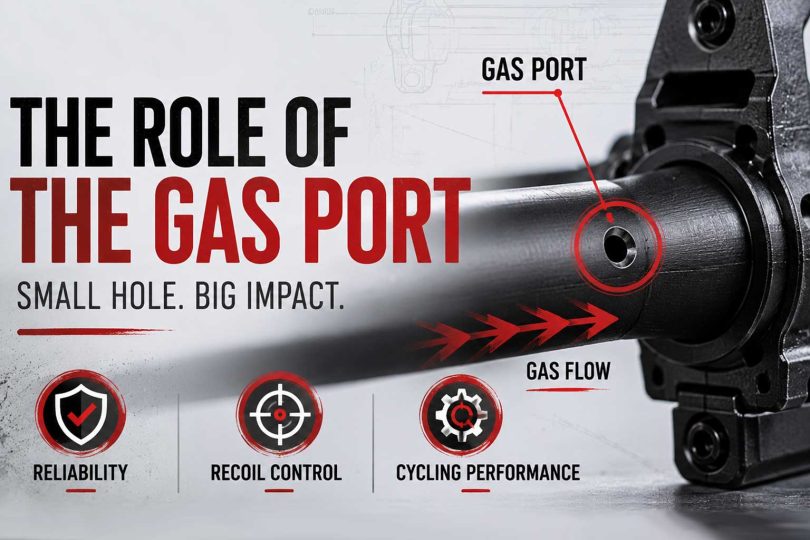
An AR-15’s gas port is a small hole drilled into the barrel, but its influence over rifle behavior is much larger than its size suggests. Gas port sizing affects how aggressively the rifle cycles, how much recoil impulse the...
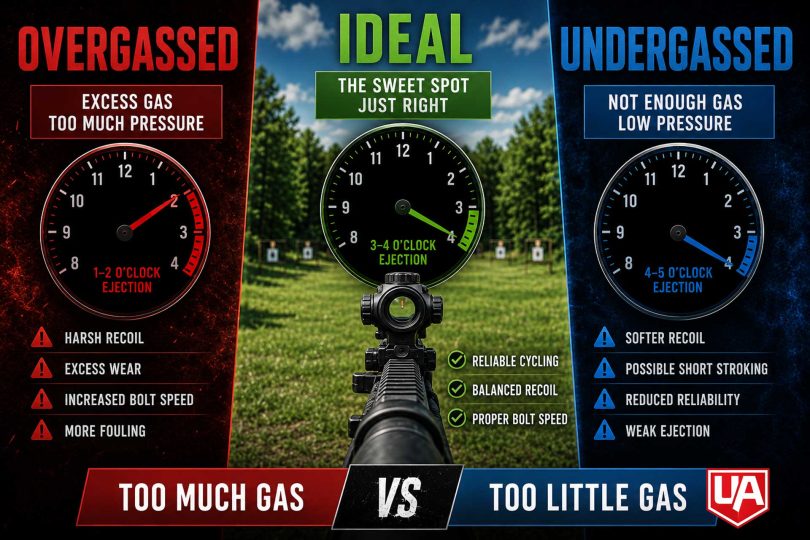
An AR-15 does not need excessive recoil or violent cycling to function reliably. In fact, the most dependable rifles usually operate within a fairly balanced gas window where bolt speed, extraction timing, and buffer resistance...
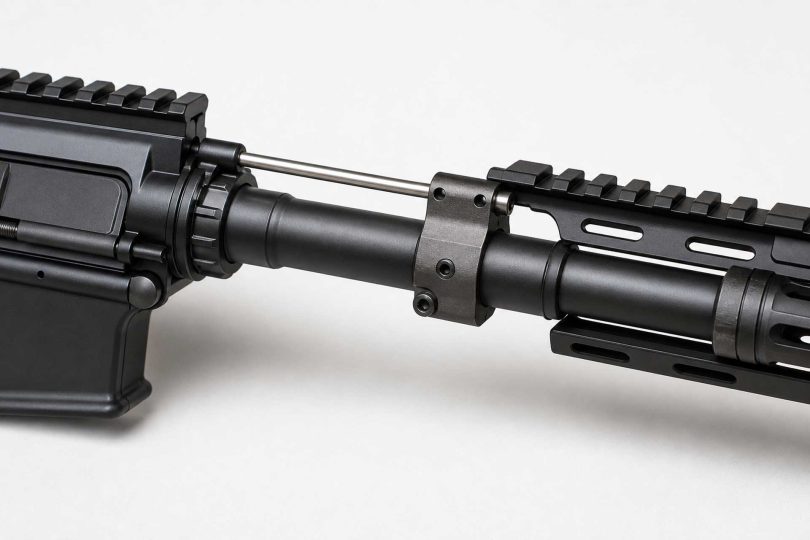
The AR-15 gas system is what makes the rifle self-loading. Without it, the rifle would function like a manual-action firearm, requiring the shooter to cycle the action after every shot. Instead, the gas system captures energy...
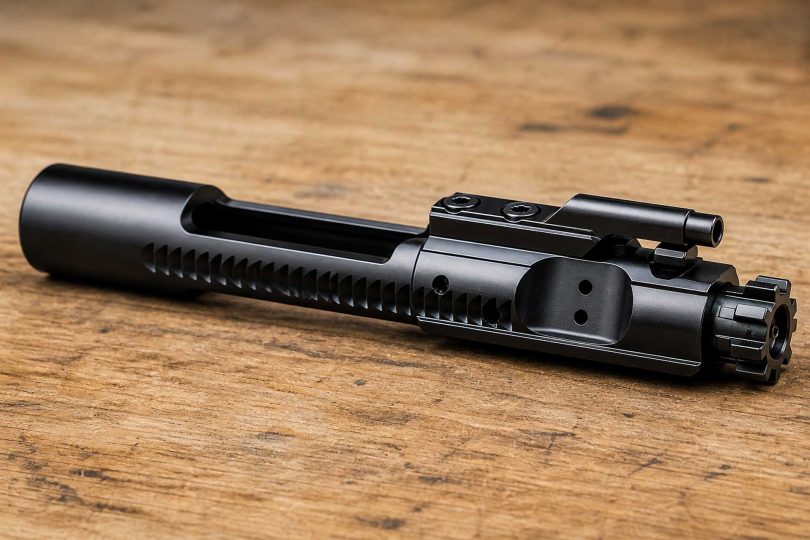
Choosing the right bolt carrier group is one of the most important decisions in any AR-15 build. It directly affects reliability, durability, cycling consistency, and how well your rifle handles different conditions. While many...
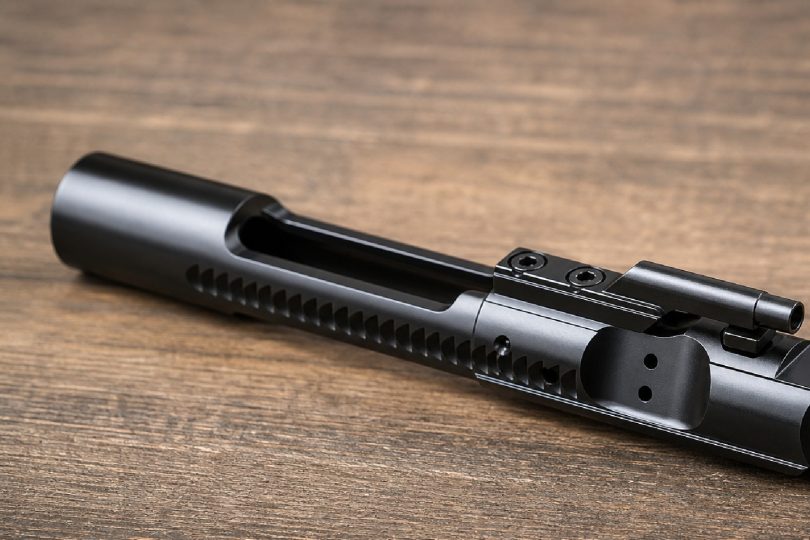
A bolt carrier group buying guide should do more than list coatings, brands, or price points. The bolt carrier group is one of the most important functional assemblies in an AR-15 because it directly controls chambering, locking...
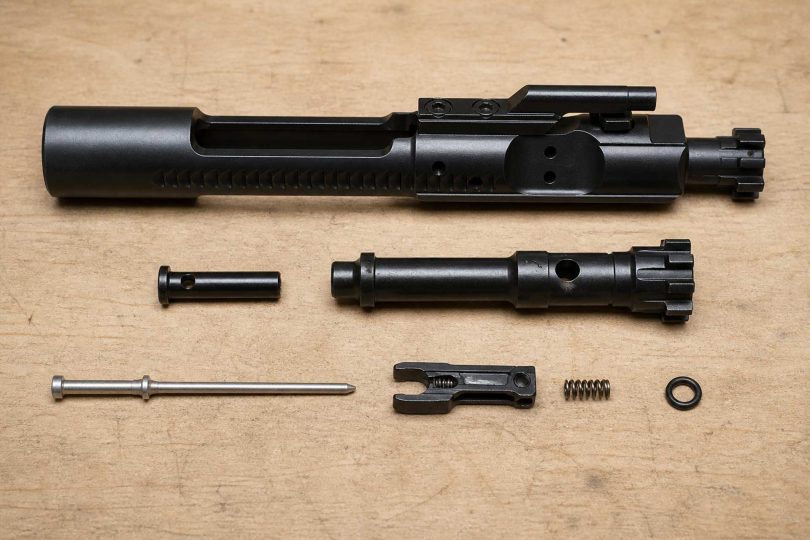
Bolt carrier group maintenance is one of the most practical skills you can develop as an AR-15 owner. It sits at the center of reliability, directly affecting how consistently your rifle cycles, how long components last, and how...
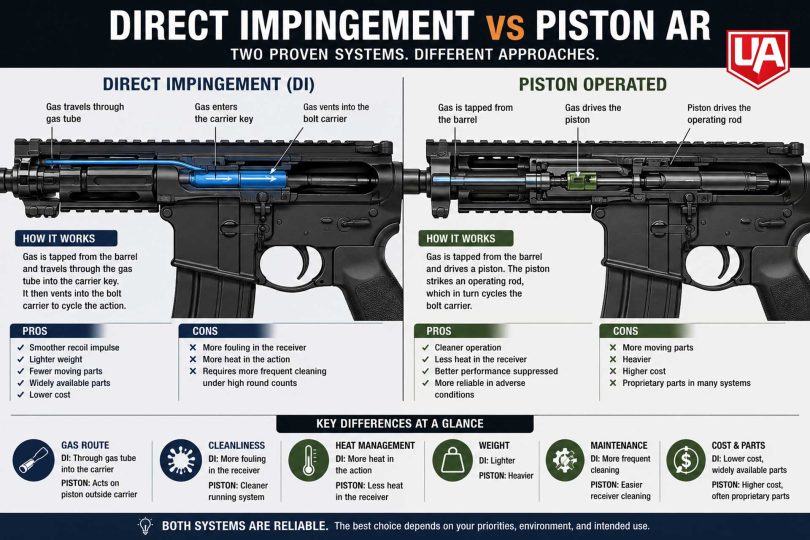
Choosing between a direct impingement (DI) system and a piston-driven AR isn’t just a technical preference—it directly affects reliability, maintenance, recoil behavior, and long-term build decisions. While both systems operate...
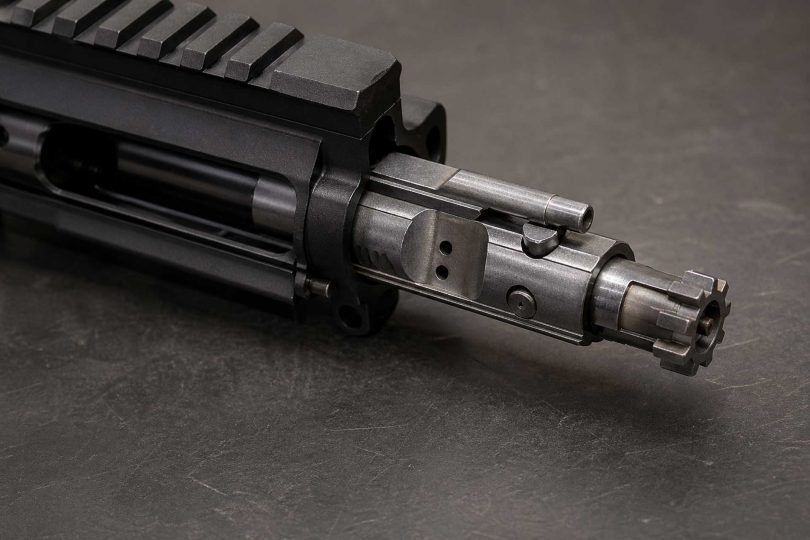
Understanding the AR-15 cycle of operations is the difference between simply owning a rifle and actually understanding how it functions under real conditions. This cycle is not just a sequence of mechanical events—it is a tightly...
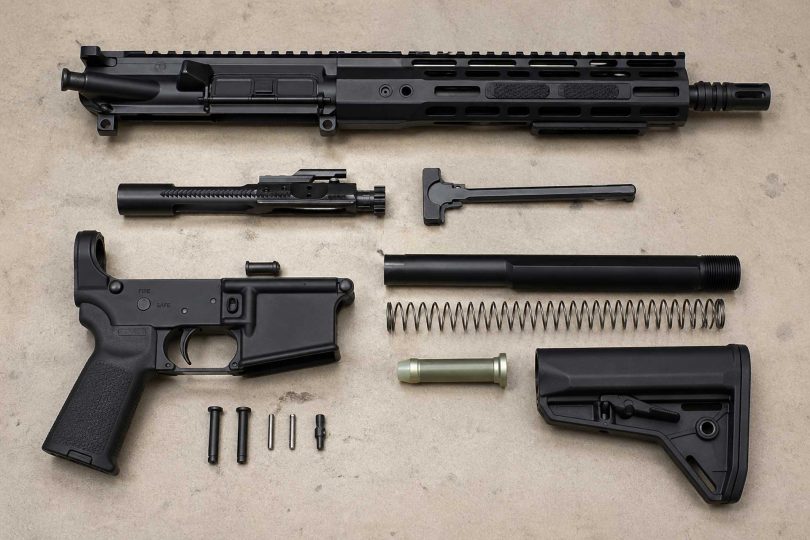
The AR platform is often described as modular, reliable, and adaptable—but those descriptions only make sense once you understand how the system actually functions. This is not a single-purpose rifle design. It is a system of...
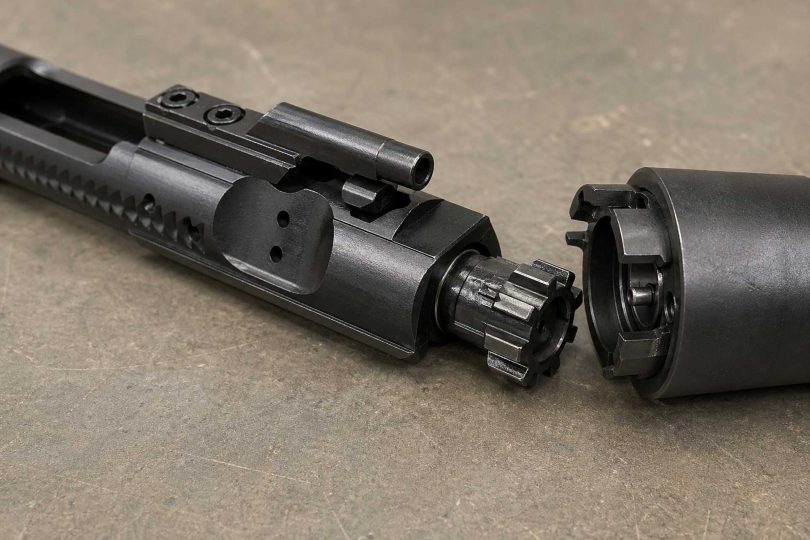
Headspace is one of those terms that gets mentioned often in technical discussions but rarely explained in a way that connects directly to how an AR-15 actually functions. It’s not a visible part, and it’s not something you...
