



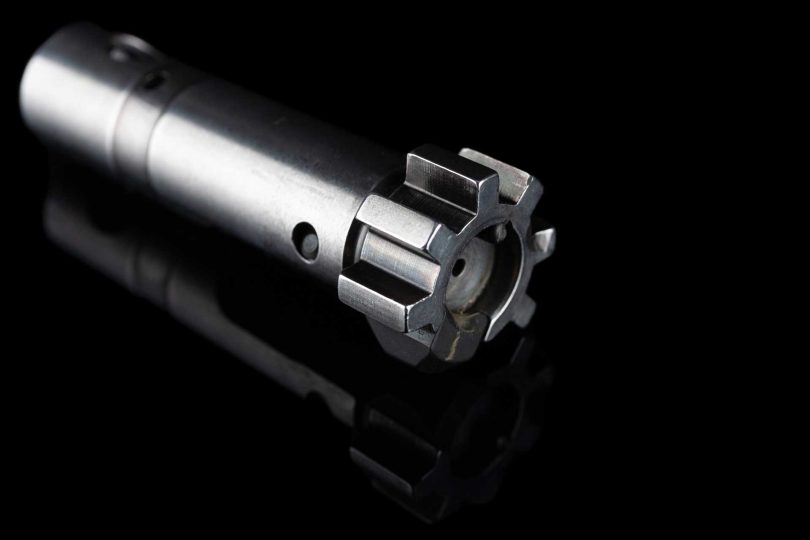

The bolt carrier group is the central moving assembly inside the AR platform. It handles locking, firing, extraction, ejection, and chambering. When people ask how the system actually runs, they are usually describing the work performed by this group of components. A broader AR platform overview helps frame the system, but the bolt carrier group is where most of the mechanical interaction happens.
This article focuses on structure rather than motion. If you already understand how a bolt carrier group works, this is the next layer. Instead of following the cycle step by step, we are breaking down the individual parts that make that cycle possible. For readers still mapping the full system, an AR-15 parts breakdown provides a broader view of how this assembly fits within the rifle.
This is most useful for builders, buyers, and owners who want to understand what each part does, where problems tend to show up, and how component differences affect reliability. It is less useful for someone looking only for a definition. The goal here is to connect structure to function so that part selection and maintenance decisions become more predictable.
What the Bolt Carrier Group Consists Of
The bolt carrier group is not a single part. It is an assembly made up of multiple components that move together under pressure. Each piece has a specific role, and the system only works when those roles stay aligned under repeated cycling.
The primary components include the bolt, carrier, gas key, cam pin, firing pin, and retaining pin. Together, these parts manage locking, gas redirection, ignition, and case handling. Their interaction is what drives the rifle cycling process, so even small deviations in fit or wear can affect how consistently the platform runs.
Understanding this assembly matters because problems rarely appear in isolation. A worn extractor can look like a gas issue. Poor gas key staking can resemble short-stroking. Weak springs can mimic timing problems. Breaking the BCG into its individual components makes it easier to identify what is actually happening when performance changes.
The Bolt: Locking, Extraction, and Pressure Control
The bolt is the part that locks into the barrel extension and contains chamber pressure during firing. Its lugs engage with the barrel, creating a sealed environment so the cartridge can ignite safely. Once pressure drops, the bolt rotates and unlocks, allowing the system to move rearward.
This component also handles extraction through the extractor claw and ejector. These small elements determine whether spent casings leave the chamber cleanly or create inconsistent ejection patterns. If extraction becomes unreliable, the issue often traces back to bolt-level components rather than the entire assembly.
Why this matters in practice is straightforward. The bolt is exposed to repeated stress and heat, which means material quality and machining tolerances directly affect durability. That is one reason discussions around mil-spec vs commercial AR parts are not theoretical. They influence how long a bolt maintains consistent lockup and extraction behavior.
The Carrier: Movement, Gas Interaction, and System Timing
The carrier is the body that houses the bolt and converts gas pressure into rearward movement. When gas enters through the key, it expands inside the carrier and drives the entire assembly backward. This movement initiates unlocking, extraction, and the rest of the cycle.
Because the carrier controls how force is distributed, its mass and internal dimensions influence timing. A heavier carrier can slow the system slightly, while a lighter one may increase cycling speed. These differences are not automatically better or worse. They depend on the rifle’s configuration and intended use.
Carrier design also connects directly to gas system behavior. The relationship between gas pressure and carrier movement is what separates different operating setups, which is why comparisons like direct impingement vs piston systems matter. They change how gas interacts with the carrier and how the system responds under load.
The Gas Key: Pressure Transfer and Stability
The gas key sits on top of the carrier and channels gas from the gas tube into the carrier body. Without it, the system would not be able to convert gas pressure into movement. Its alignment and attachment to the carrier are critical to maintaining consistent function.
If the gas key becomes loose or improperly secured, gas can escape before it does useful work. That results in weak cycling, inconsistent ejection, or failure to chamber the next round. Proper attachment is maintained through staking, which prevents the screws from backing out under repeated use.
This is why gas key staking explained becomes a practical consideration rather than a minor detail. It directly affects whether the system holds pressure long enough to complete the cycle reliably.
The Cam Pin, Firing Pin, and Retaining Pin
These smaller components are easy to overlook, but they control critical transitions inside the cycle. The cam pin guides the bolt’s rotation, converting linear movement into the locking and unlocking motion that engages the barrel extension.
The firing pin transfers energy from the hammer to the primer. Its dimensions and free movement inside the carrier affect ignition consistency. While it is a simple part, it must move freely without excessive wear or obstruction.
The retaining pin holds the firing pin in place, ensuring it does not move out of alignment during operation. It does not perform a complex task, but without it, the system cannot maintain proper assembly.
These parts illustrate an important point. The AR platform depends on interaction between components rather than any single dominant part. Even small elements contribute to the overall stability of the system, especially when cycling repeatedly under load.
How BCG Parts Work Together as a System
The bolt, carrier, gas key, and internal pins do not operate independently. They function as a coordinated system that responds to pressure, timing, and mechanical constraints. When one part shifts out of tolerance, the entire cycle can change.
This interaction becomes clearer when viewed alongside upper receiver structure, because the bolt carrier group operates within that assembly and depends on its alignment. The lower assembly also contributes by controlling trigger release and buffer movement, which is why lower receiver structure remains part of the overall system.
Understanding the BCG as a system rather than a collection of parts makes troubleshooting more direct. It allows you to trace issues through cause and effect instead of replacing components without a clear reason.
Why These Parts Matter for Reliability and Maintenance
The bolt carrier group experiences more stress than most other components in the rifle. It cycles under pressure, absorbs heat, and handles repeated mechanical impact. That makes it one of the primary areas where wear shows up first.
From a maintenance perspective, this means regular inspection and cleaning are not optional. A guide on how to clean a bolt carrier group provides a baseline process, but the key is consistency. Keeping components clean and properly lubricated helps maintain predictable movement and reduces unnecessary wear.
It also means that diagnosing problems often starts here. A structured bcg troubleshooting guide can help identify whether issues stem from extraction, gas pressure, or component wear rather than guessing based on symptoms alone.
Use-Case Considerations and Buying Context
Not every build requires the same level of component refinement. For general use, a standard configuration that prioritizes durability and consistent cycling is usually sufficient. For more specialized setups, factors like coating, weight, and gas system interaction become more relevant.
That is where evaluation begins to matter. Looking at best bolt carrier groups is not about finding a universal option. It is about identifying configurations that align with specific use cases, whether that is general reliability, suppressed use, or extended service life.
For readers comparing options more directly, a structured bolt carrier group buying guide can clarify tradeoffs between materials, coatings, and manufacturing approaches. Some users may prioritize cost-to-value balance, while others focus on long-term durability.
For reliability-focused builds, reviewing best bcg for reliability can narrow options further. The goal is not to find a single answer, but to match component characteristics to the demands of the platform and its intended role.
Frequently Asked Questions
What parts are included in a bolt carrier group?
A bolt carrier group includes the bolt, carrier, gas key, cam pin, firing pin, and retaining pin. These components work together to manage locking, firing, extraction, and cycling.
Which part of the BCG wears out the fastest?
The bolt and its related components, such as the extractor and ejector, tend to experience the most wear because they handle pressure, heat, and repeated movement during cycling.
Does the gas key affect reliability?
Yes. The gas key controls how gas enters the carrier. If it is loose or improperly secured, the system can lose pressure and fail to cycle consistently.
Can you replace individual BCG parts?
Yes. Many components can be replaced individually, which allows for targeted maintenance and repair instead of replacing the entire assembly.
Do coatings change how BCG parts perform?
Coatings can affect lubrication, cleaning, and wear resistance. They do not change the core function of the parts but can influence how they perform over time.
How often should a bolt carrier group be cleaned?
Cleaning frequency depends on usage, but regular inspection and cleaning help maintain reliable cycling and reduce long-term wear.
Conclusion
The bolt carrier group is not defined by a single part. It is defined by how its components work together under pressure. The bolt locks and extracts, the carrier manages movement, the gas key transfers pressure, and the internal pins guide the process. Each piece contributes to a system that depends on balance, alignment, and consistent interaction.
Understanding these parts makes it easier to evaluate performance, maintain reliability, and choose components that match the intended use of the rifle. Instead of treating the BCG as a single unit, breaking it down into its individual elements provides a clearer framework for decision-making. That clarity is what supports long-term performance and more predictable results across different configurations.







Leave a Comment