



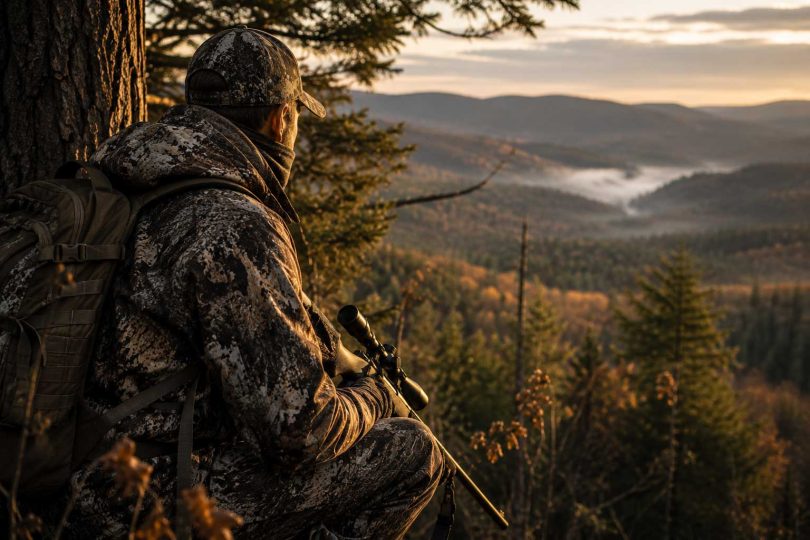

Most hunters spend too much time looking at camouflage brands and not enough time looking at the terrain they’ll actually be hunting.
That’s understandable. Marketing often focuses on pattern names, product lines, and new releases. The problem is that camouflage works because it matches the environment, not because of the logo printed on the tag.
Many hunters ask, “What’s the best camo for hunting?” as if there’s a single answer. In practice, the better question is:
Which camouflage pattern best matches my environment?
A pattern that performs well in dense hardwood forests may stand out in open grasslands. Likewise, a pattern designed for marshes can become highly visible in dry terrain.
The goal is not to find the most popular camouflage pattern. The goal is to find the best fit for your hunting conditions.
Understanding types of camouflage patterns is the first step. The next step is learning how to match those patterns to real-world environments.
What Makes Hunting Camouflage Effective?
Many people think camouflage is designed to make you invisible.
It isn’t.
Effective camouflage breaks up your outline, blends with surrounding colors, and makes it harder for animals to identify your shape.
What this actually changes is recognition.
Animals often notice movement first. Camouflage helps reduce visual contrast when you’re stationary or moving slowly through the environment.
The bigger factor is environmental matching.
A perfect pattern used in the wrong terrain often performs worse than a simpler pattern that matches the surrounding vegetation.
This is one of those areas where hunters frequently solve the wrong problem. They chase new patterns when the real issue is poor environmental matching.
Best Camo for Dense Forests
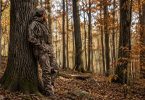
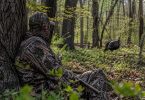
Dense forests remain one of the most forgiving environments for camouflage.
Heavy shadows, tree trunks, fallen leaves, and layered vegetation naturally break up outlines.
For most hunters, woodland-style patterns remain highly effective.
- Woodland camouflage
- Realtree Edge
- Mossy Oak Bottomland
- Similar forest-focused patterns
These designs work well because they mimic the colors and textures commonly found in wooded environments.
If your hunting season primarily involves hardwood forests, mature timber, or heavily vegetated terrain, woodland camouflage for hunting is often one of the most practical choices.
Many hunters overlook this because newer patterns receive more attention. Woodland remains effective because forests haven’t changed.
Best Camo for Mixed Terrain
Mixed terrain creates a different challenge.
- Open fields
- Brush
- Tree lines
- Rolling terrain
- Light woodland
In these environments, versatility becomes more important than specialization.
This is where Multicam-style patterns often perform well.
Multicam was designed to function across varying environments rather than excel in only one.
For hunters who regularly transition between different types of cover, multicam for hunting can provide a balanced solution.
The tradeoff is specialization. A highly adaptable pattern may not outperform a dedicated woodland pattern in dense forest or a marsh pattern in wetlands.
Best Camo for Dry Terrain and Open Ground
Dry environments present different visual conditions.
- Light vegetation
- Dirt
- Rock
- Sparse brush
- Reduced shadow cover
Patterns with lighter color palettes generally perform better in these conditions.
Many digital camouflage patterns were originally designed around breaking up shapes in more open environments.
The important lesson isn’t that digital is always better.
The lesson is that color matching matters.
A dark woodland pattern can stand out dramatically against light terrain regardless of how sophisticated the pattern itself may be.
Best Camo for Wetlands and Waterfowl Hunting
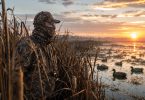
Wetland environments create unique concealment challenges.
- Reeds
- Tall grasses
- Marsh vegetation
- Mud
- Water reflections
Patterns designed around reeds and vertical vegetation tend to perform best.
This is where marsh camouflage explained becomes important.
Many marsh-focused patterns incorporate vertical elements that blend naturally into cattails and similar vegetation.
Best Camo for Snow Conditions
Winter introduces another dramatic environmental shift.
A pattern that worked perfectly during early season can become highly visible after snowfall.
This is why snow camouflage patterns exist.
Snow camouflage reduces contrast against snow-covered terrain and helps hunters blend into winter environments.
Common Camo Selection Mistakes
Choosing a Pattern Based on Popularity
Popularity does not equal effectiveness.
The question isn’t what camo everyone is wearing. The question is what camo best matches your terrain.
Ignoring Seasonal Changes
Vegetation changes throughout the year.
A pattern that works during early fall may become less effective later in the season.
Developing seasonal camouflage strategies can help improve long-term effectiveness.
Focusing Only on Pattern Design
Many hunters obsess over pattern details while ignoring overall color matching.
The exact shape of the pattern often matters less than whether the colors match the environment.
Assuming One Pattern Does Everything
Some patterns are highly versatile.
None are perfect.
Understanding best camo patterns by terrain helps identify where different options excel and where tradeoffs begin.
Woodland vs Multicam: Which Is Better?
This is one of the most common camouflage questions.
For heavily wooded areas, woodland often has the advantage.
For mixed environments, Multicam often provides greater flexibility.
Neither pattern is universally superior.
The better choice depends on the terrain you’re actually hunting.
A deeper comparison between woodland vs multicam can help clarify those tradeoffs.
Frequently Asked Questions
There is no universal best pattern. Environment matters more than brand. Hunters should focus on matching local vegetation and terrain. Specialized guides on deer hunting camouflage can provide more detailed recommendations.
Yes. Multicam performs well in mixed terrain and changing environments. Its strength is versatility rather than specialization.
Yes, but not as much as movement control, positioning, and environmental awareness. Camouflage supports concealment rather than replacing good hunting practices.
Absolutely. Woodland remains one of the most effective options for dense forests and heavily vegetated terrain.
Not always. Many hunters use one primary pattern successfully. However, areas with dramatic seasonal changes may benefit from multiple options.
Conclusion
The best camo for hunting is rarely the newest pattern or the most heavily marketed product.
It’s the pattern that matches your environment.
Dense forests favor woodland-style patterns. Mixed environments often benefit from Multicam. Wetlands reward marsh-focused designs. Snow conditions call for specialized winter camouflage.
The pattern matters, but the environment matters more.
That’s the decision framework most hunters should use when choosing their next camouflage setup.


Leave a Comment