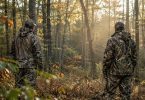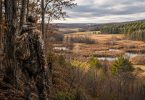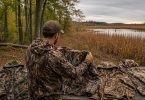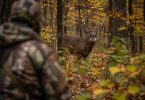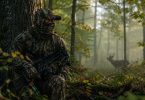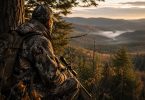



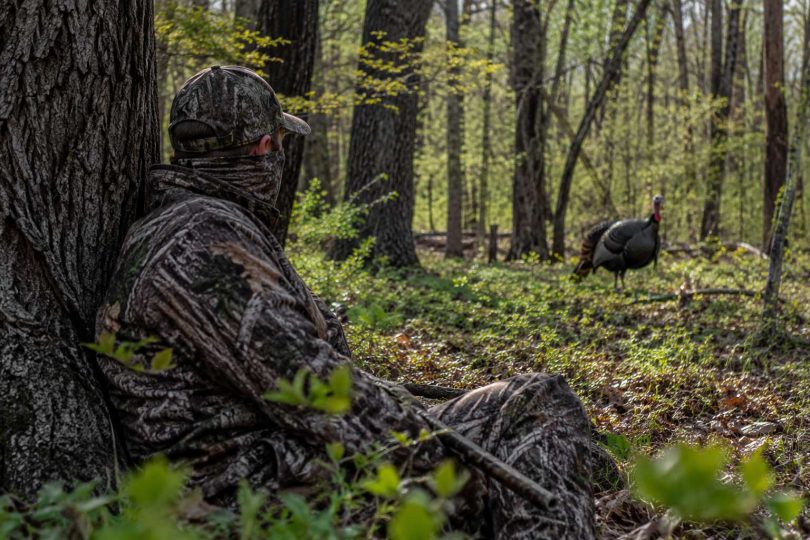

Turkey hunting puts more pressure on camouflage than many other hunting situations because wild turkeys rely heavily on eyesight. They notice movement, contrast, exposed skin, and shapes that do not belong in the woods. The best camo for turkey hunting is the pattern that matches your terrain, season, and hunting style while helping break up your outline.
That does not mean the newest or most detailed pattern is always the right choice. A pattern that blends well in early spring hardwoods may stand out once green vegetation fills in. A general-purpose pattern may work across several environments, but a dedicated turkey pattern may perform better in thick timber or leaf-heavy cover.
Before choosing a pattern, it helps to understand the broader types of camouflage patterns and how each one solves a different concealment problem.
Why Camouflage Matters for Turkey Hunting
Camouflage matters because turkey hunting is a visual game. A turkey may not smell you the way a deer can, but it can spot movement and unnatural contrast quickly. The job of camouflage is to reduce that contrast and make the hunter look like part of the environment.
Hunters who understand how camouflage works tend to make better choices because they evaluate patterns against actual backgrounds: bark, leaves, shadows, brush, and spring vegetation.
Still, camouflage is not invisibility. The question of does camouflage actually work for hunting depends on how it is used. Pattern choice helps, but movement control, setup location, gloves, face covering, and using shadows all matter.
How Turkeys See Hunters
Turkeys are highly sensitive to motion. A hunter can wear an excellent pattern and still get picked off by turning their head too quickly, raising a hand at the wrong time, or shifting position in open timber.
Exposed skin is another common problem. A bare face or uncovered hands can create bright contrast against a dark tree trunk or shaded forest floor. For that reason, turkey hunters usually benefit from a face mask, gloves, and clothing that covers the full outline of the body.
The goal is not only to wear camouflage. The goal is to disappear into the setup.
How to Choose the Best Camo for Turkey Hunting
Start with four questions:
- What terrain do you hunt most often?
- Is the season early, mid, or late spring?
- Are you sitting in one setup or moving often?
- Do you need dedicated turkey camo or one pattern for multiple hunting uses?
If you mostly hunt hardwoods, woodland patterns are usually the safest choice. If you hunt during green-up, leaf-heavy patterns may blend better. If your property includes timber, brush, and field edges, a transitional pattern may be more practical.
Hunters comparing broader options can use best camo for hunting as a wider starting point. Terrain should guide the decision more than brand loyalty, which is why best camo patterns by terrain is often the more useful way to compare patterns.
Best Camo Patterns for Turkey Hunting
Woodland Camouflage
Woodland camouflage is one of the most reliable choices for turkey hunters in timbered areas. It usually includes bark, branches, leaf litter, shadows, and muted earth tones. A good woodland camouflage pattern works because it matches the structure of hardwood forests.
For hunters who spend most of their season in mature timber, woodland camouflage for hunting is usually the most natural fit.
Leaf-Based Patterns
Leaf-based patterns are strongest when vegetation is filling in. They can work well around brush, field edges, young timber, and green understory growth. The tradeoff is that some leaf-heavy patterns may look too green or busy in early spring woods before vegetation develops.
Transitional Patterns
Transitional patterns are useful when terrain changes throughout the hunt. They may not be perfect in one specific setting, but they can perform well across mixed timber, brush, and open edges. This is a good option for hunters who move often or hunt multiple properties.
MultiCam and General-Purpose Patterns
Some hunters consider multicam for hunting because it works across varied environments. The advantage is versatility. The tradeoff is that MultiCam may not match dense hardwoods as naturally as dedicated hunting patterns.
In timber-heavy areas, the comparison between woodland vs multicam usually comes down to specialization versus flexibility. For a closer comparison, MultiCam vs woodland camouflage helps clarify where each pattern makes sense.
Terrain-Based Recommendations
Eastern Hardwoods
For eastern hardwoods, choose a woodland or bark-heavy pattern with browns, grays, muted greens, and shadow detail. Hunters in this environment should also compare the best camo for eastern woodlands because eastern timber often has different concealment needs than open western terrain.
Spring Green-Up
During green-up, camouflage needs to shift with the environment. Early spring may call for bark and leaf-litter tones. Later spring may require more green, foliage, and layered vegetation. This is where seasonal camouflage strategies become useful.
Mixed Timber and Field Edges
For mixed terrain, use a balanced pattern that does not rely too heavily on one color. Avoid patterns that are too dark for open edges or too green for early-season timber.
Open Timber
In open timber, movement control matters more than fine pattern detail. Sit against a wide tree, use shadows, keep your face and hands covered, and avoid unnecessary motion.
Realtree vs Mossy Oak for Turkey Hunting
The Realtree vs Mossy Oak decision is less about which brand is universally better and more about which pattern matches your woods. Realtree patterns often emphasize layered realism, while Mossy Oak patterns often lean into bark, leaves, and woodland texture.
If you mainly hunt timber, Realtree vs woodland camouflage can help separate branded hunting patterns from broader woodland designs.
Common Turkey Hunting Camo Mistakes
The first mistake is choosing camouflage based on how it looks online instead of how it looks in your woods. The second is ignoring exposed skin. The third is relying on camouflage while moving too much.
Another mistake is using a pattern designed for the wrong environment. snow camouflage patterns may be effective in winter, but they usually do not fit spring turkey woods. Likewise, marsh camouflage explained shows why waterfowl-oriented concealment does not always translate to timber hunting.
Some hunters also experiment with digital camouflage patterns, but traditional hunting patterns often provide a more natural match in leaf, bark, and brush environments.
Best Camo for Turkey Hunting by Situation
| Situation | Best Choice | Tradeoff |
|---|---|---|
| Hardwood forests | Woodland camouflage | Less adaptable in very green cover |
| Spring green-up | Leaf-heavy camo | May be too green early season |
| Mixed terrain | Transitional camo | Less specialized |
| Open timber | Muted woodland pattern | Movement matters more than pattern |
| Multi-use hunting | General-purpose camo | Less precise for turkey-specific setups |
Turkey hunting is not the same as deer hunting. Hunters comparing concealment by species may also want to evaluate best camouflage for deer hunting because deer hunting involves different priorities, especially scent, stand height, and seasonality.
FAQ
The best camo for turkey hunting is usually a woodland or leaf-based pattern that matches your terrain. Hardwood hunters usually benefit from bark, branch, and leaf-litter textures, while late-spring hunters may need more green vegetation detail.
Dedicated turkey camo is better if you mainly hunt spring gobblers in wooded terrain. General hunting camo is better if you want one pattern for multiple seasons, species, or environments.
MultiCam can work for turkey hunting in mixed terrain, brush, and open environments. In dense hardwoods or heavy green-up, dedicated hunting camouflage may blend more naturally.
Yes. Early spring often favors muted browns, grays, bark, and leaf litter. Later spring may require more green, foliage detail, and vegetation-based patterns.
You can use deer hunting camo for turkey hunting if it matches the terrain. However, turkey hunting usually requires more attention to face coverage, hand coverage, and movement control.
Movement usually matters more. A good pattern helps you blend in, but sudden motion can still alert a turkey. The best setup combines terrain-matched camo with stillness and good positioning.
Conclusion
The best camo for turkey hunting depends on where and when you hunt. Woodland patterns are usually the strongest choice for hardwood forests. Leaf-heavy patterns become more useful during green-up. Transitional patterns make sense for mixed terrain, and general-purpose camo works best when versatility matters more than specialization.
The best recommendation is simple: match the environment first, then consider the tradeoff. A specialized pattern may blend better in one setting, while a general pattern may work across more situations. Either way, camouflage only works when paired with covered skin, smart positioning, and controlled movement.