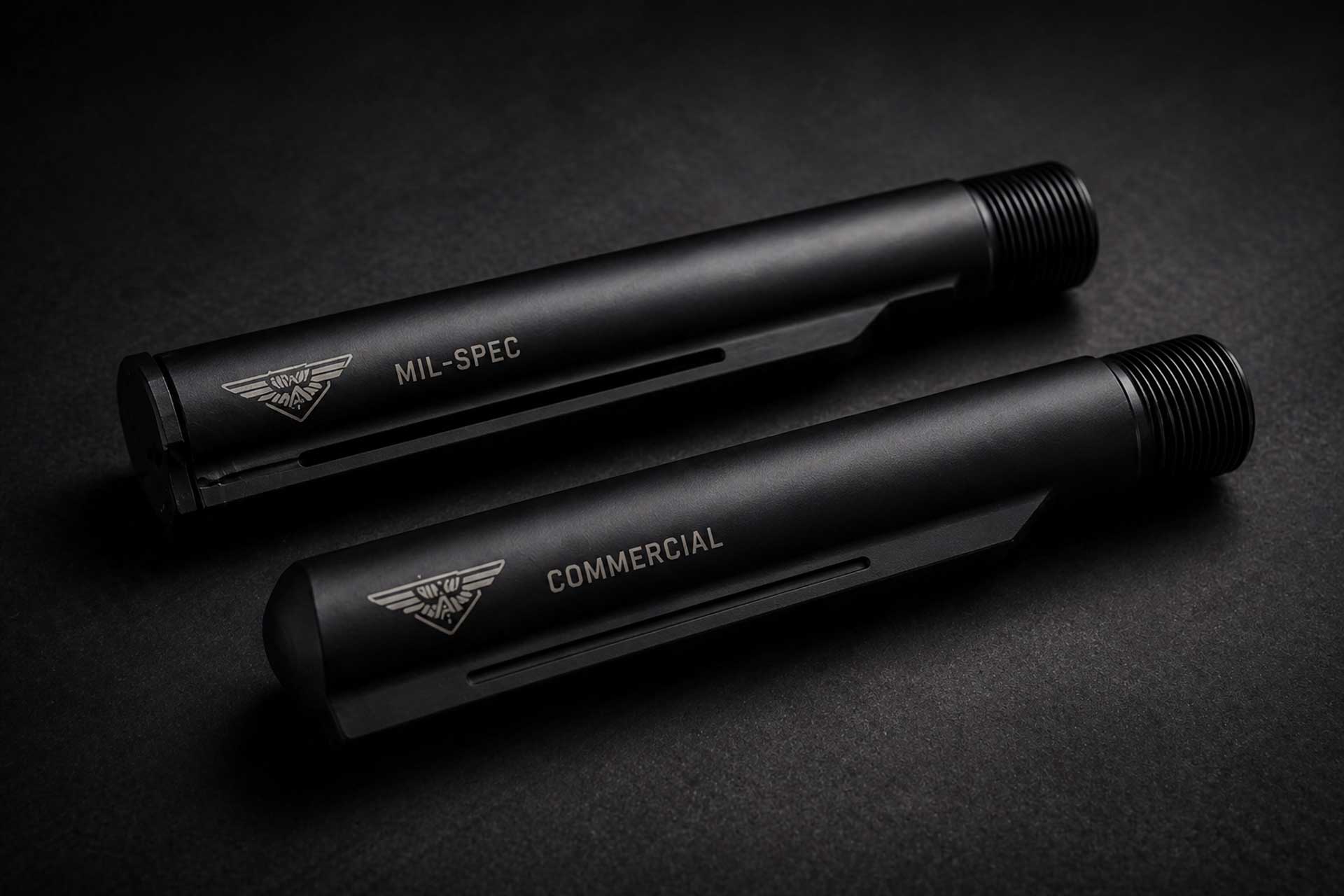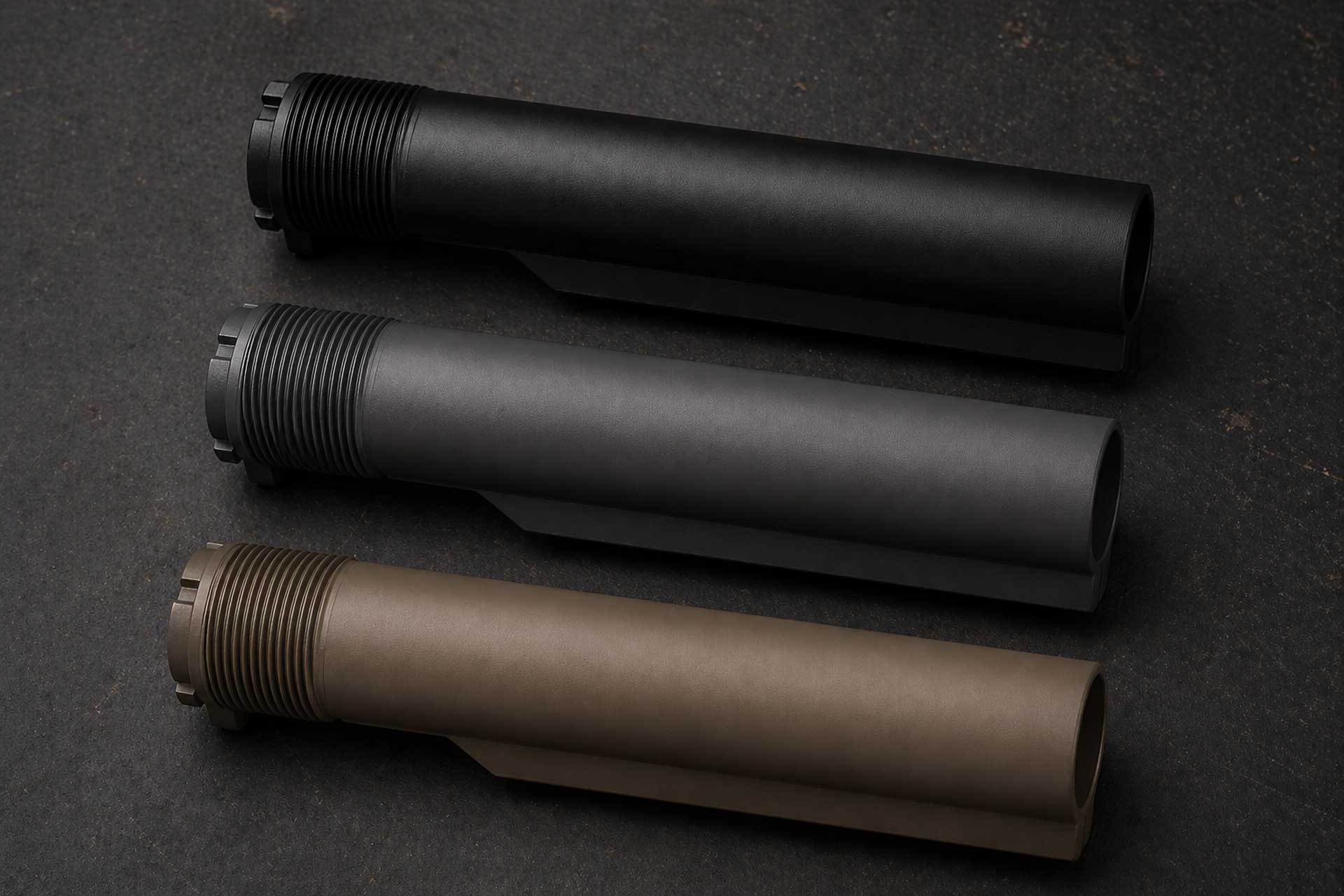

Understanding mil-spec vs commercial buffer tube dimensions is one of those details that seems minor—until it causes a compatibility problem that stops a build in its tracks. The buffer tube, also called the receiver extension, directly determines what stocks will fit, how securely they mount,…
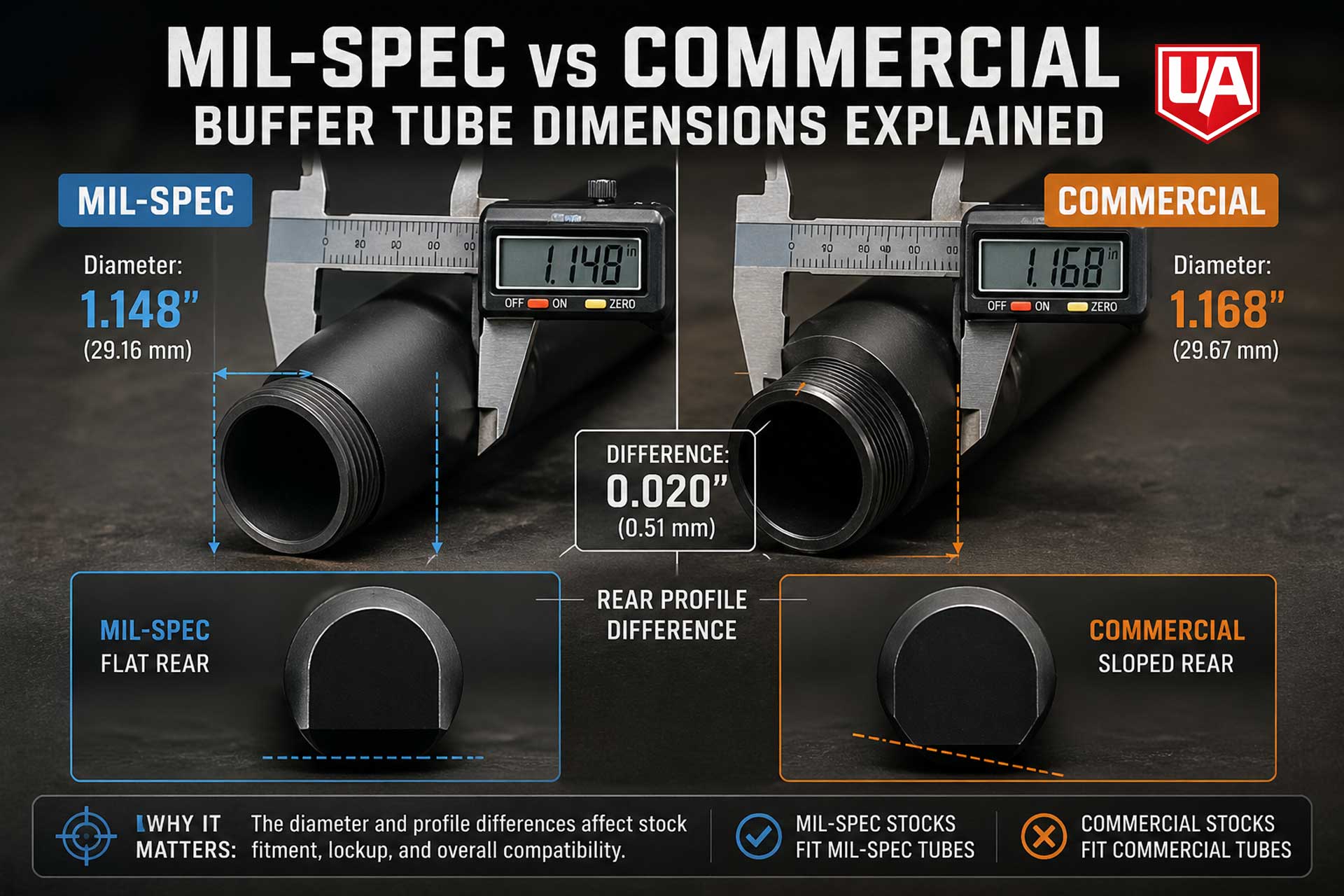
Understanding buffer tube compatibility is one of the simplest ways to avoid build errors that don’t show up until the rifle is assembled. Many AR-15 issues that appear to be related to cycling, recoil, or stock fitment actually begin with mismatched buffer tube dimensions or…
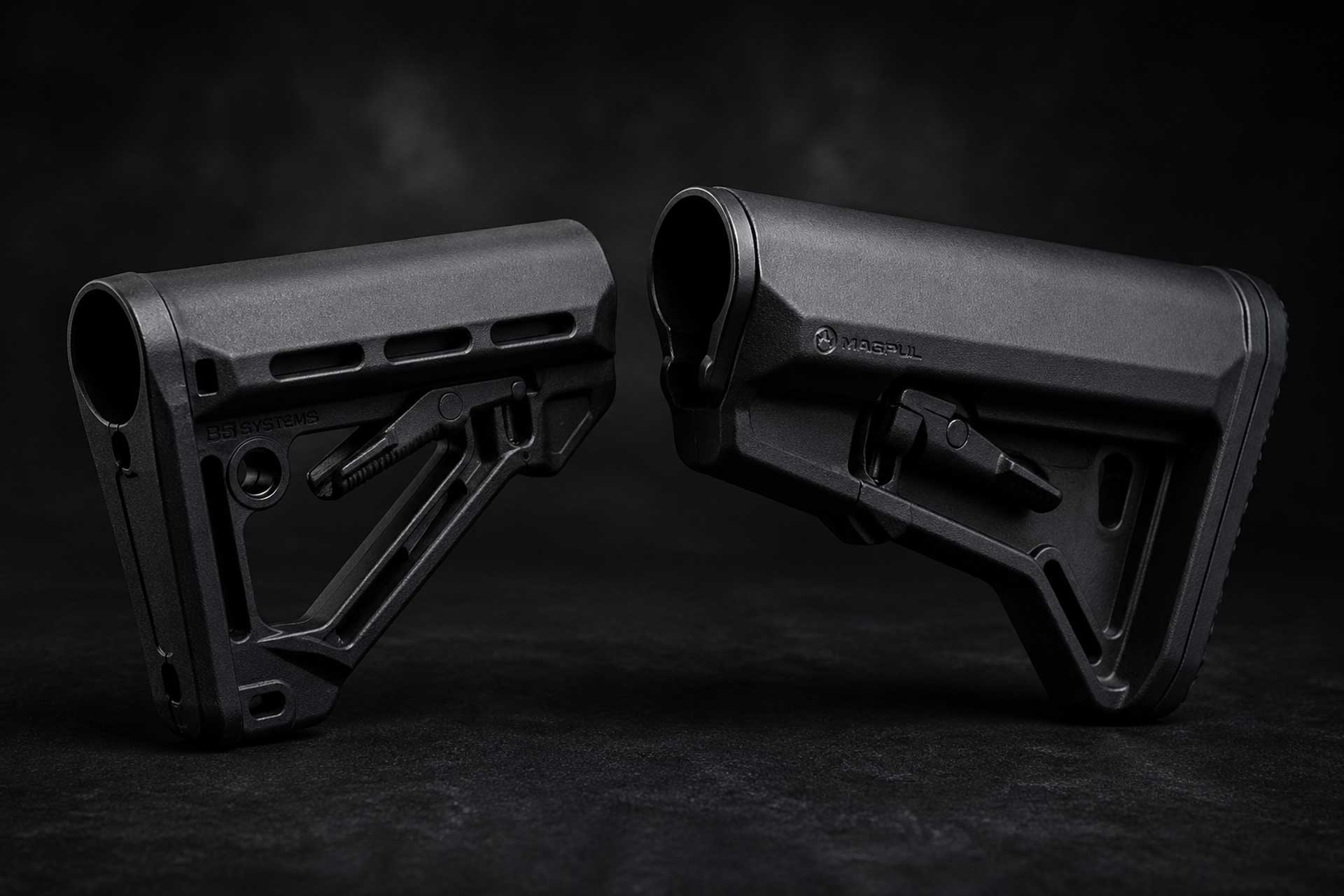
Stock compatibility on the AR-15 platform is often misunderstood because most parts appear interchangeable at a glance. The platform’s modular design encourages that assumption. But when it comes to stock fitment, small dimensional differences—especially in the buffer tube—determine whether a setup feels solid and reliable…
Buffer tubes are often treated as simple hardware, but they play a central role in how an AR-15 functions, fits, and performs. They define how the stock attaches, influence recoil behavior, and determine whether key components will actually work together as intended.
At a glance, most…
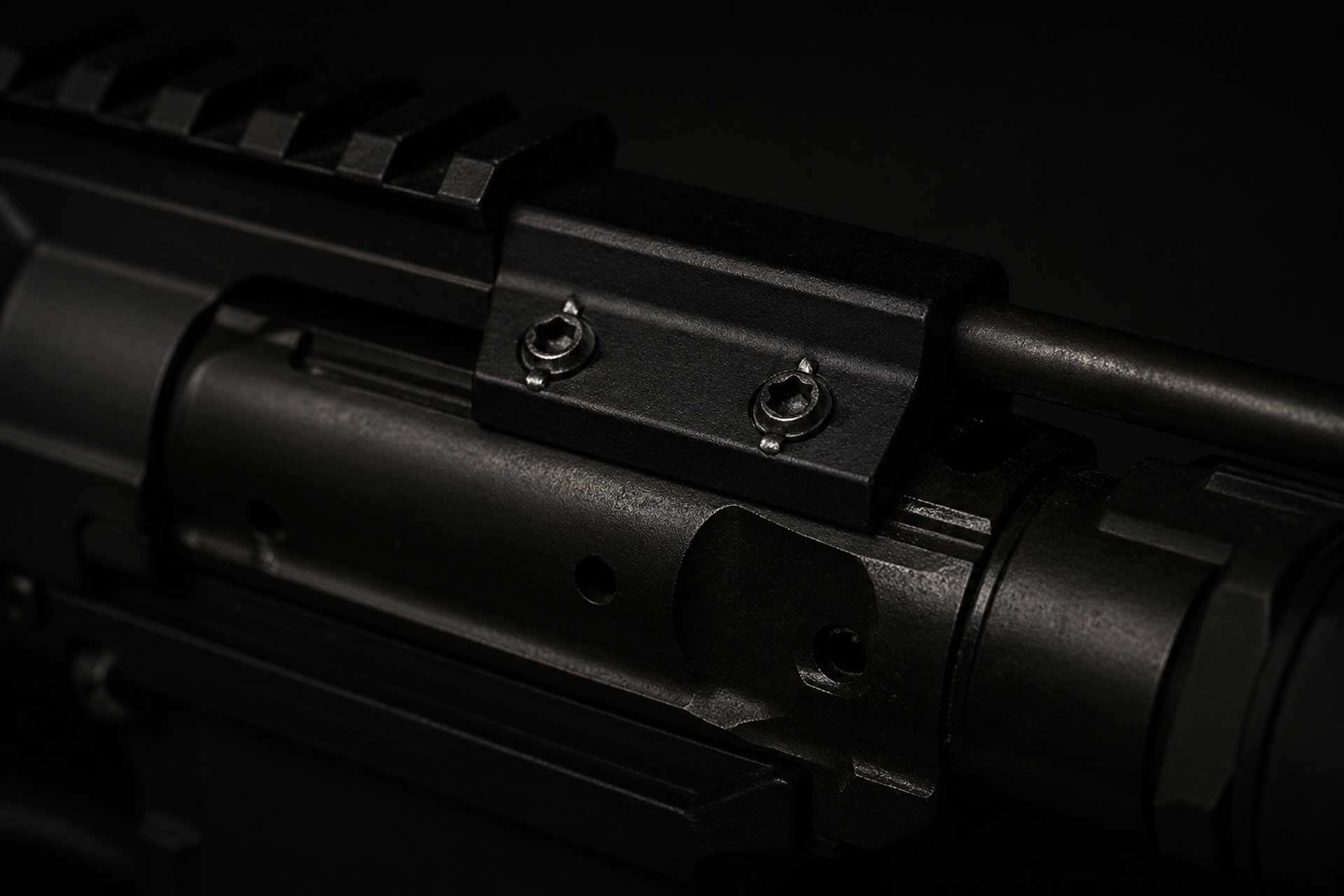
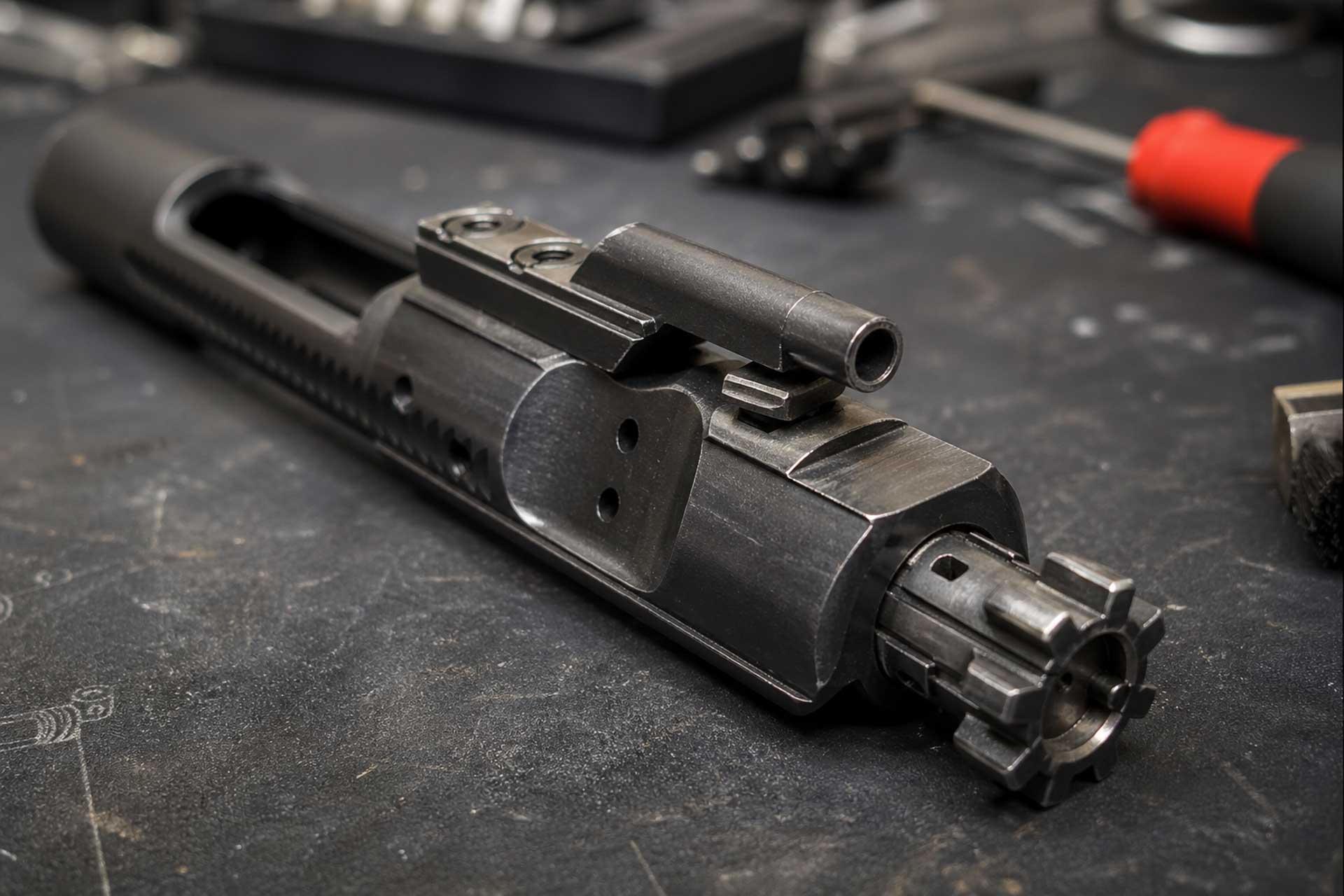
Gas key staking is one of those details that looks minor until it fails. At a glance, it’s just a pair of screws on top of a bolt carrier. But those screws control whether your rifle maintains proper gas pressure during operation—and that directly affects…
A rifle that fails to cycle correctly is rarely “just a bad part.” More often, it’s a system imbalance—and the bolt carrier group sits at the center of it. When something goes wrong, the symptoms show up through the BCG: failure to eject, short stroking,…
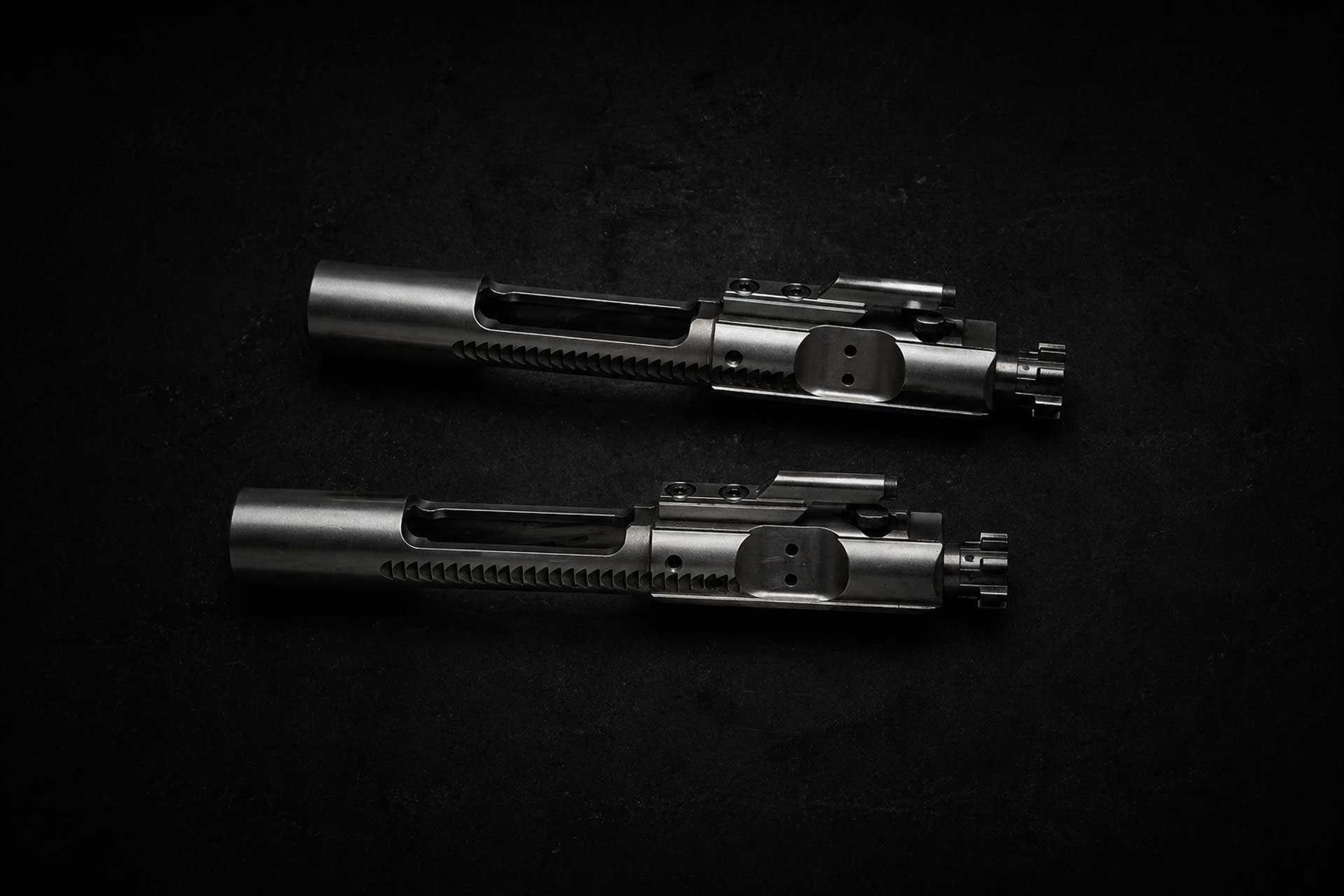
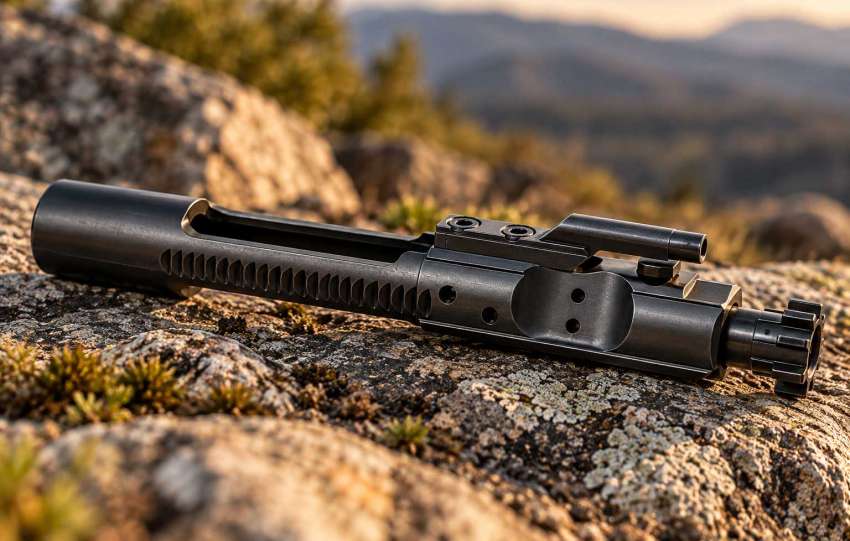
A bolt carrier group (BCG) is often treated as a drop-in component. In reality, it’s one of the most sensitive parts in the AR-15 system when it comes to compatibility. A BCG that “fits” is not necessarily a BCG that works correctly within a given…
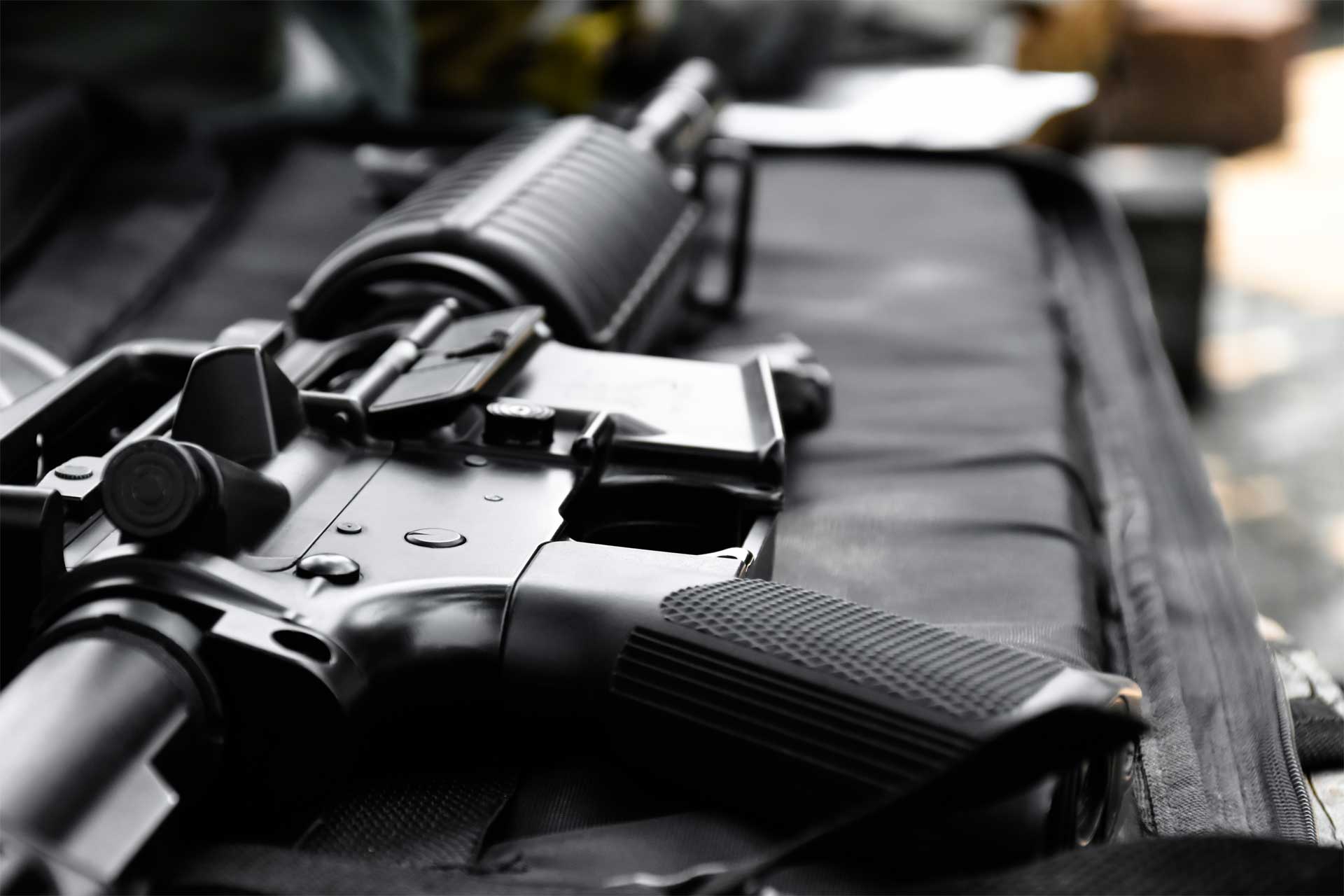
Building or modifying an AR-15 is often described as simple because of the platform’s modular design. While that’s technically true, it can also be misleading. Parts don’t just “fit” because they share a name—they work together only when the system is properly balanced.
An AR-15 parts…
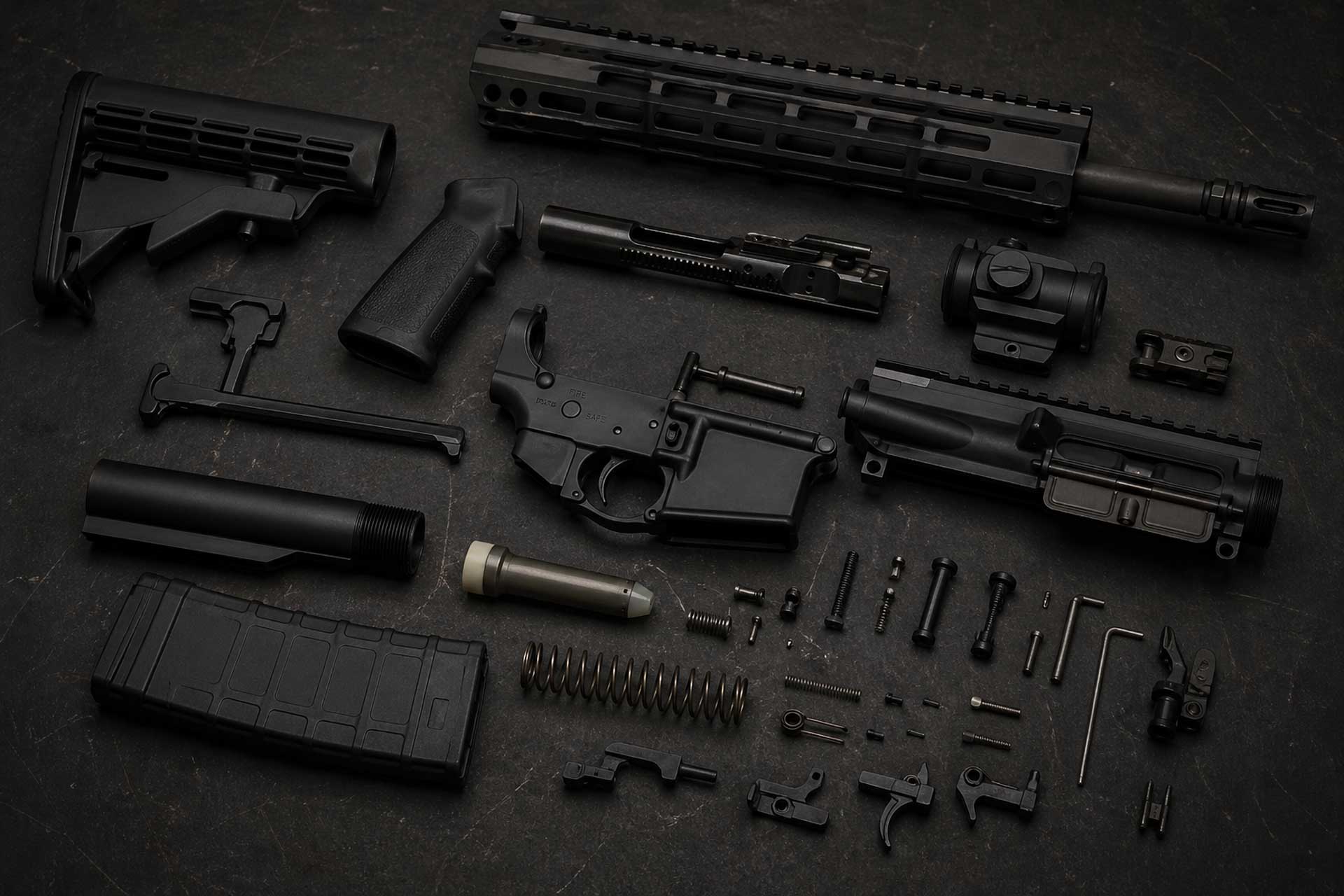
An AR-15 is not a single-purpose tool—it’s a modular system built from interdependent components. Understanding how those components fit together is what separates a confident owner or builder from someone guessing their way through maintenance, upgrades, or purchases.
An AR-15 parts overview explains the rifle as…
The AR-15 bolt carrier group (BCG) is one of the most important mechanical assemblies in the rifle. Located inside the upper receiver, it plays a central role in chambering ammunition, locking the action, extracting spent cartridge cases, and preparing the rifle for the next shot.…