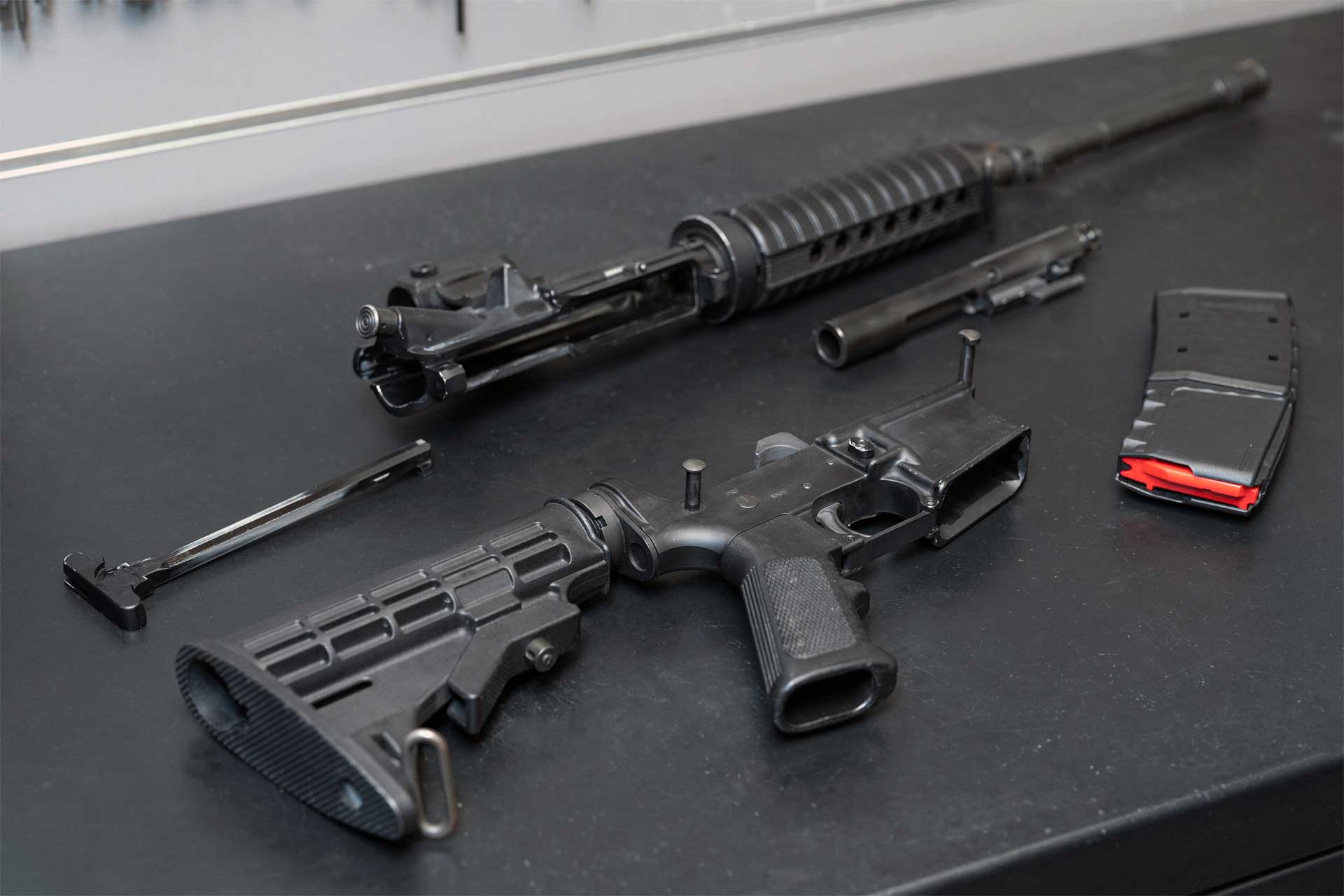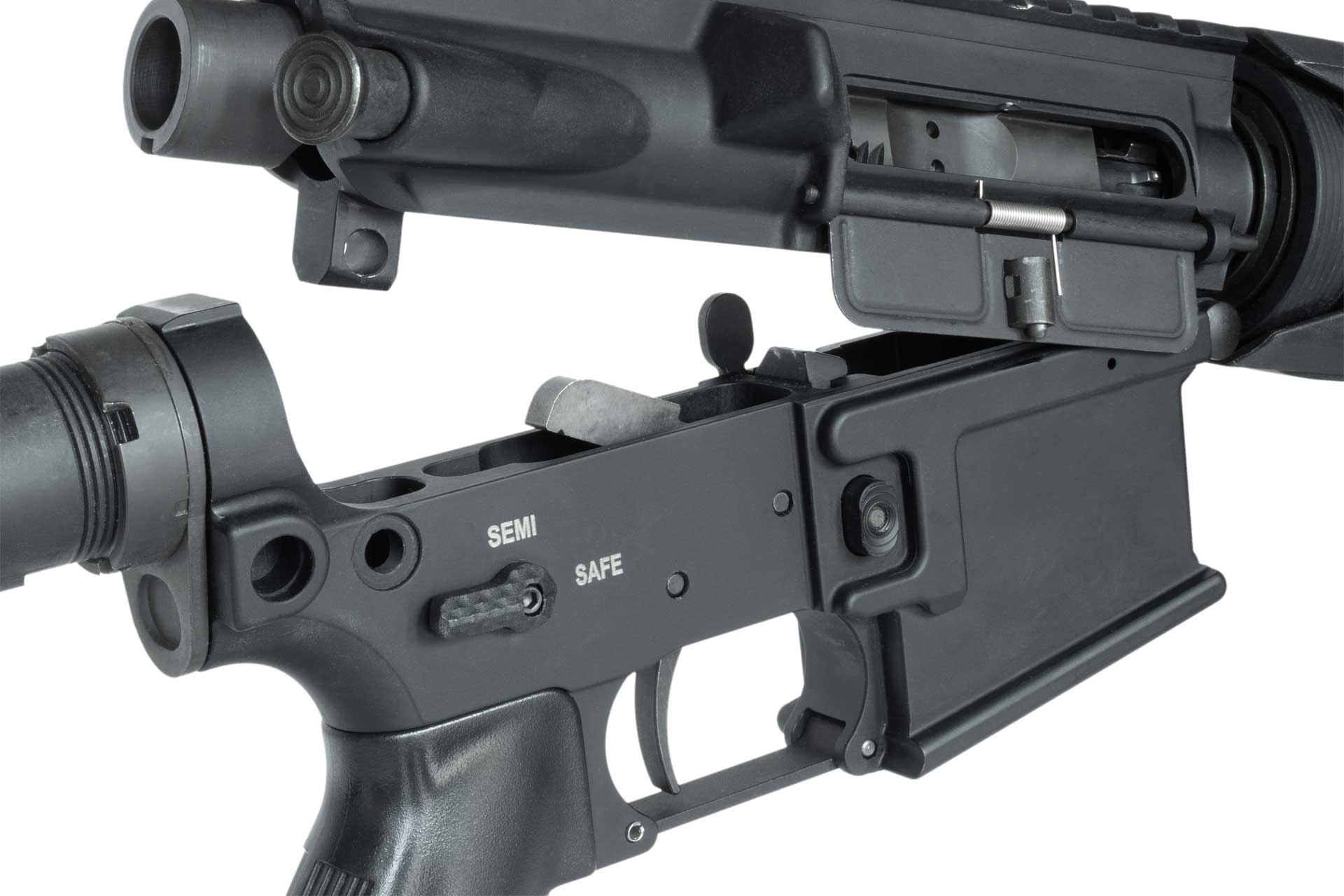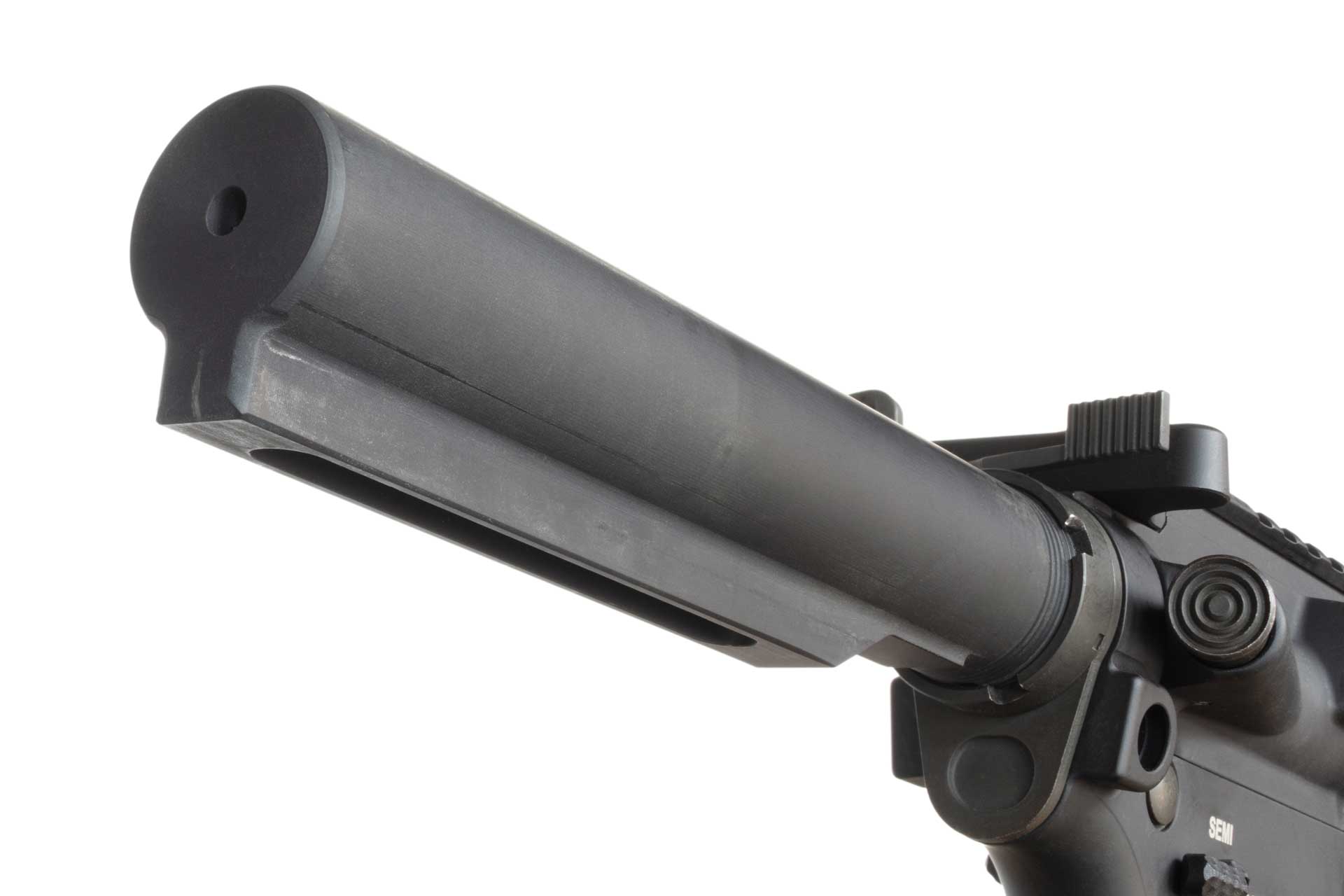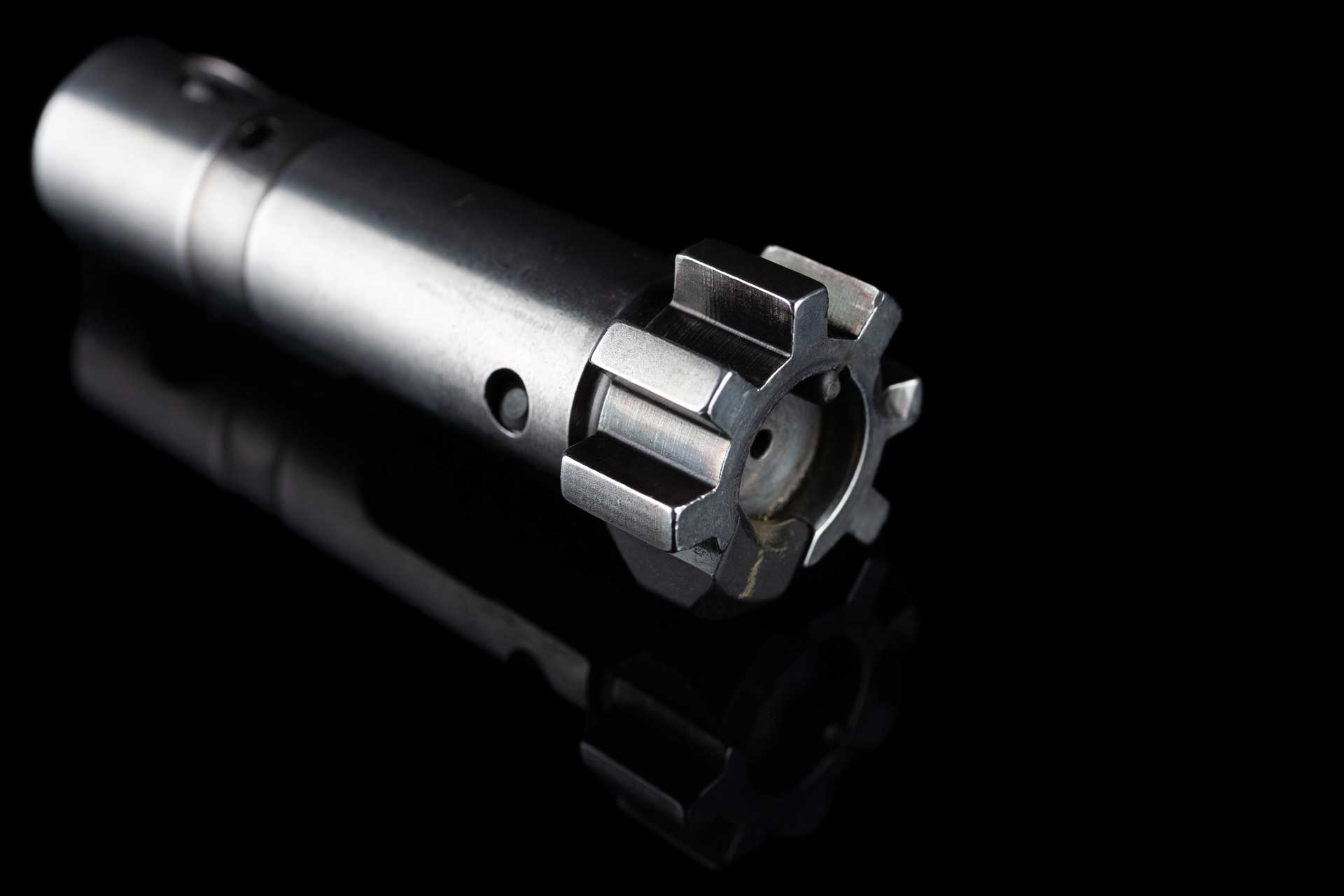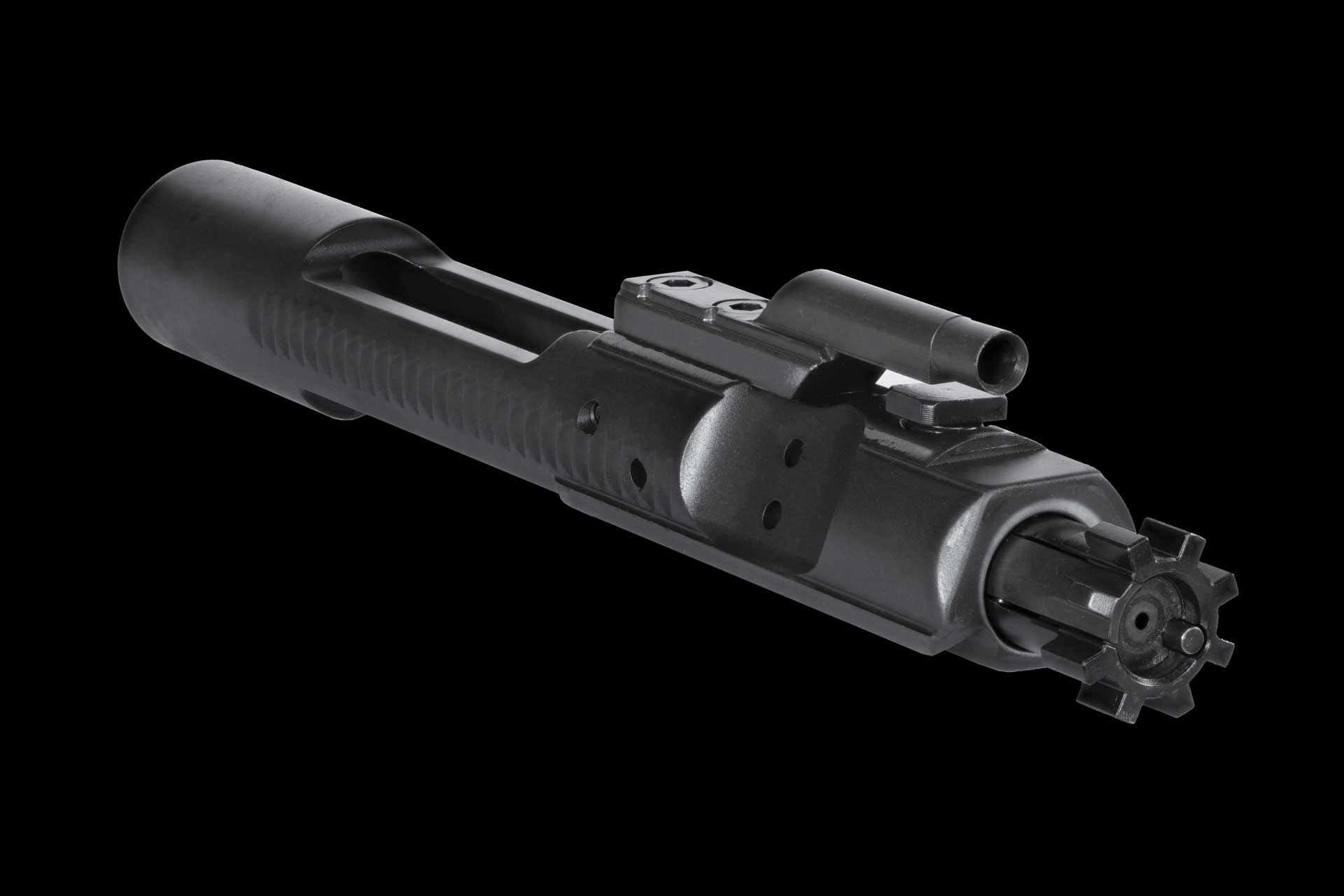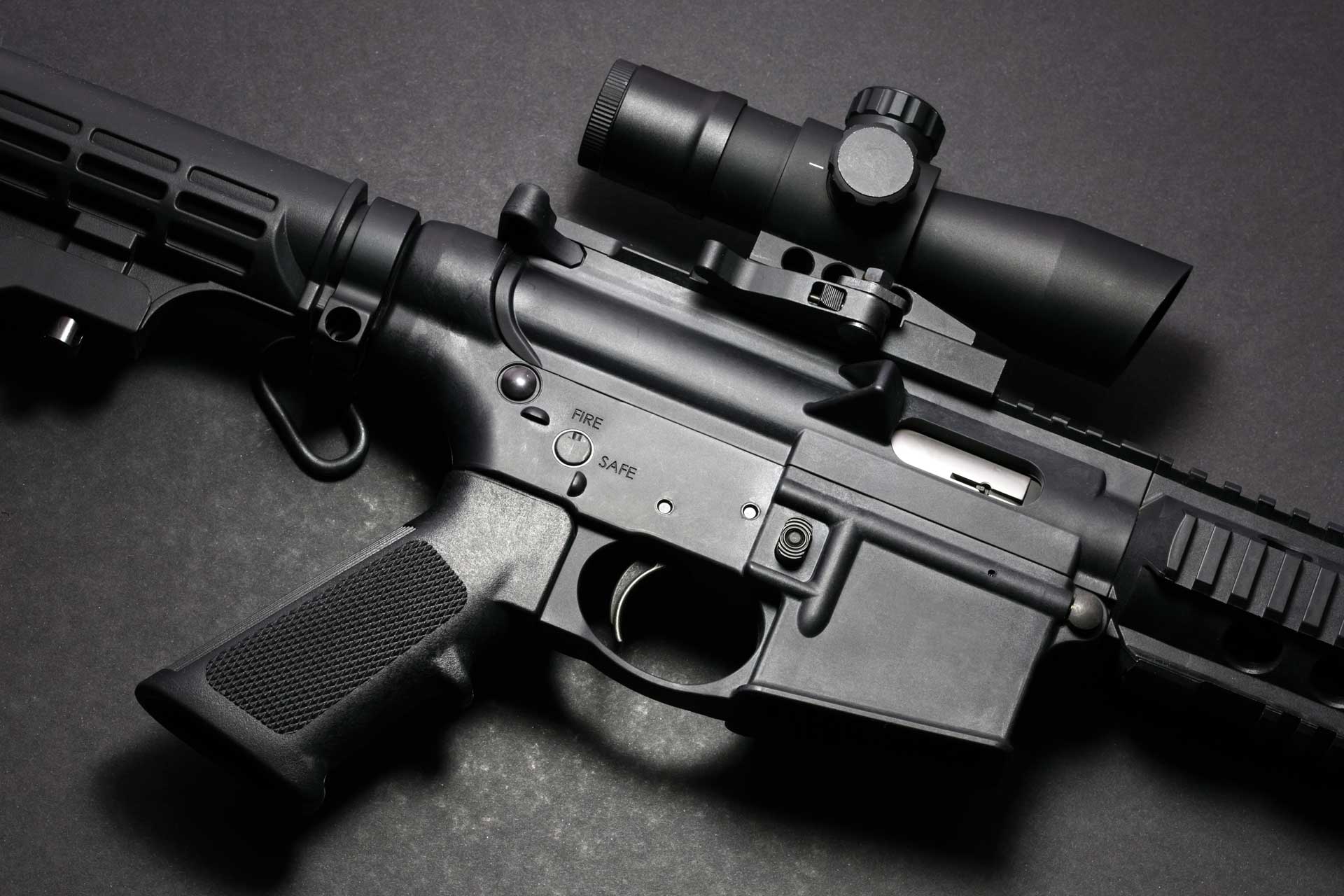

Maintenance is not optional on the AR platform. It is part of how the system is designed to function. Carbon fouling, heat, and friction are inherent to the operating cycle, and without routine attention, those factors compound into reliability issues that are entirely preventable.
To understand…
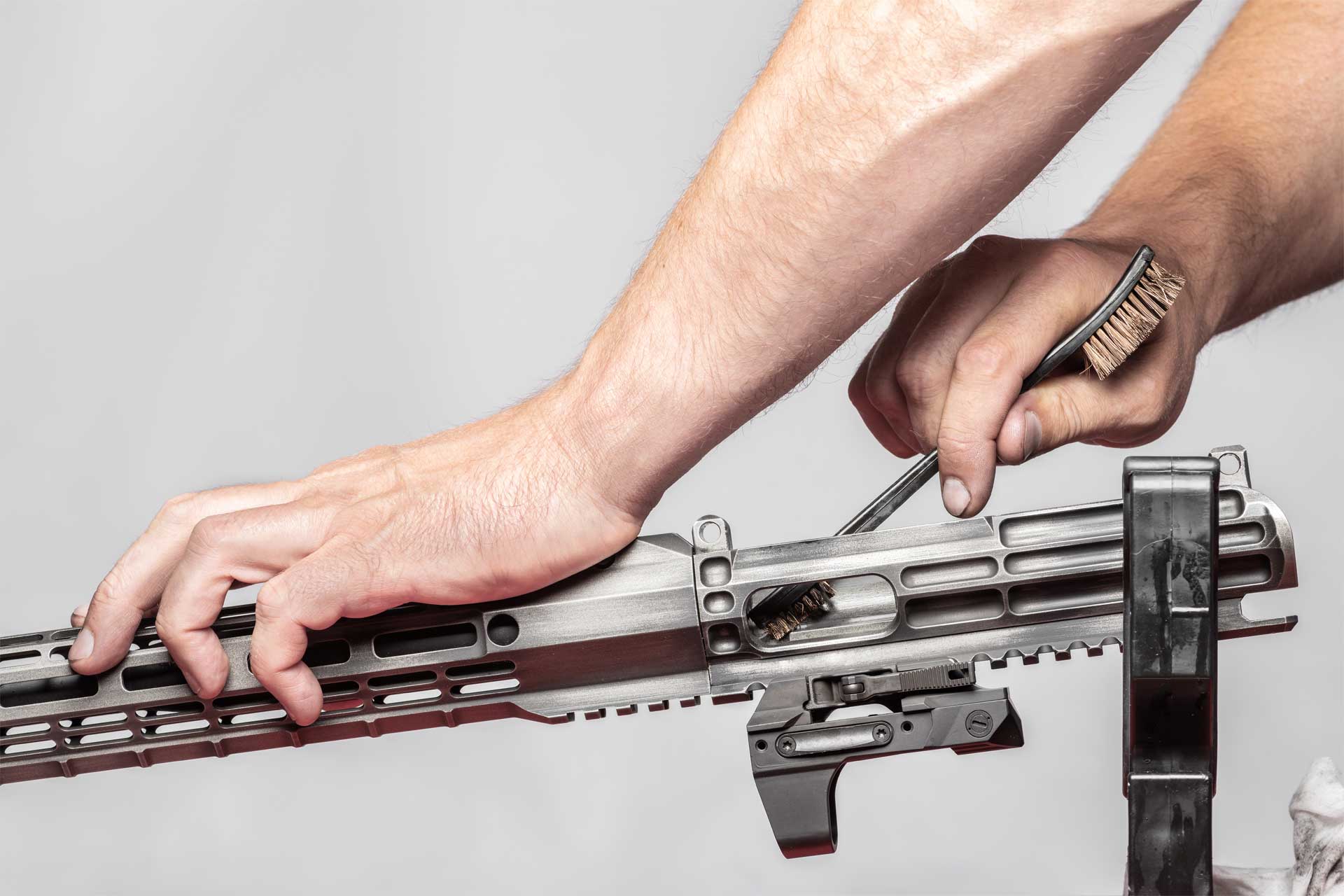
Choosing the right bolt carrier group (BCG) is one of the most important decisions in an AR build, especially when working within a budget. While many parts can be simplified or upgraded later, the BCG directly affects how the rifle cycles, feeds, and resets. A…
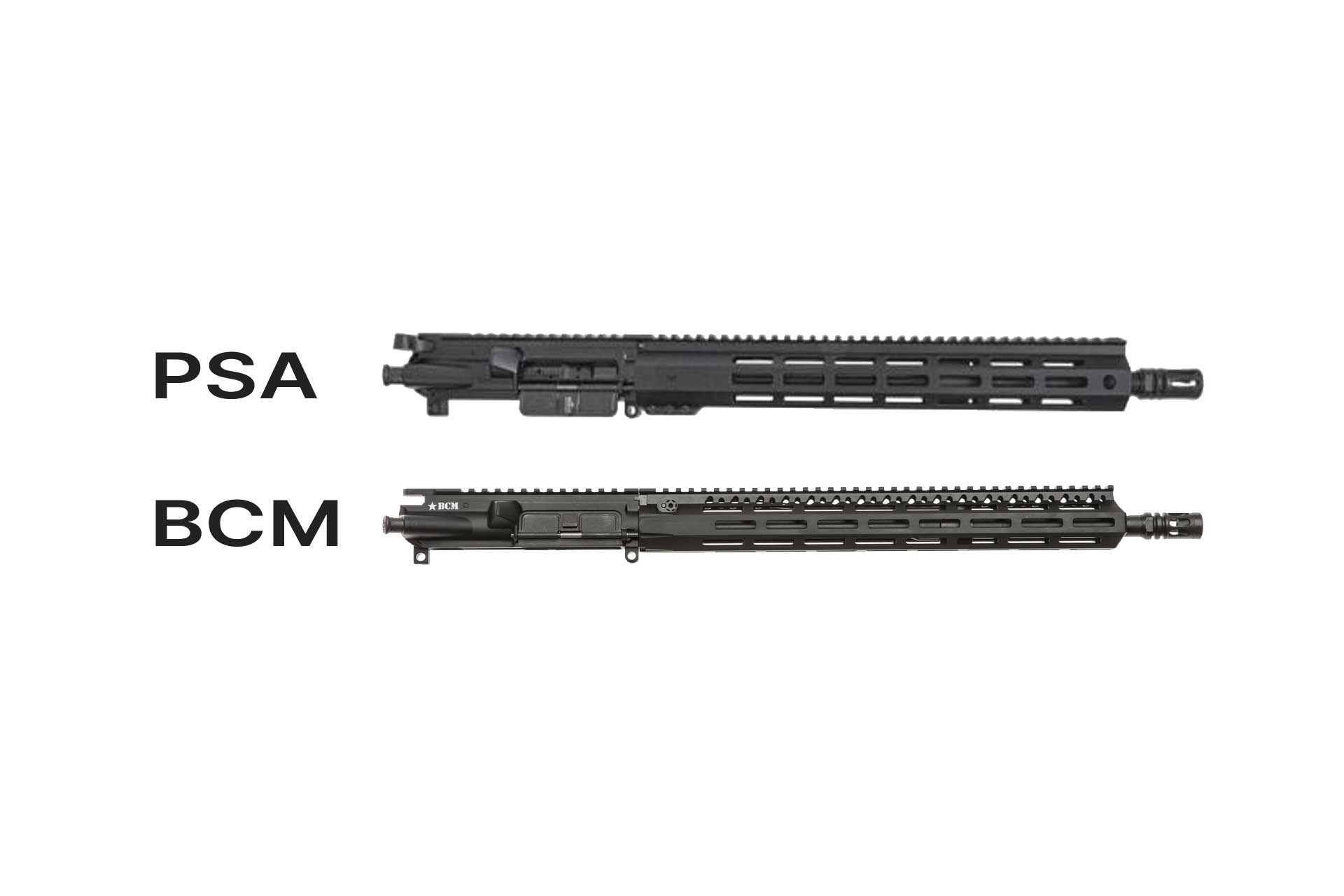
For many buyers, a PSA vs BCM comparison is not really about brand loyalty. It is about deciding how much refinement, quality control, and long-term confidence you actually need in an AR-15 setup. Both companies occupy important places in the market, but they do not…
Building a reliable AR-15 on a budget is not about finding the cheapest parts. It is about understanding where cost matters, where it doesn’t, and how the system works as a whole. A well-planned budget build can perform consistently, remain upgradeable, and avoid the common…
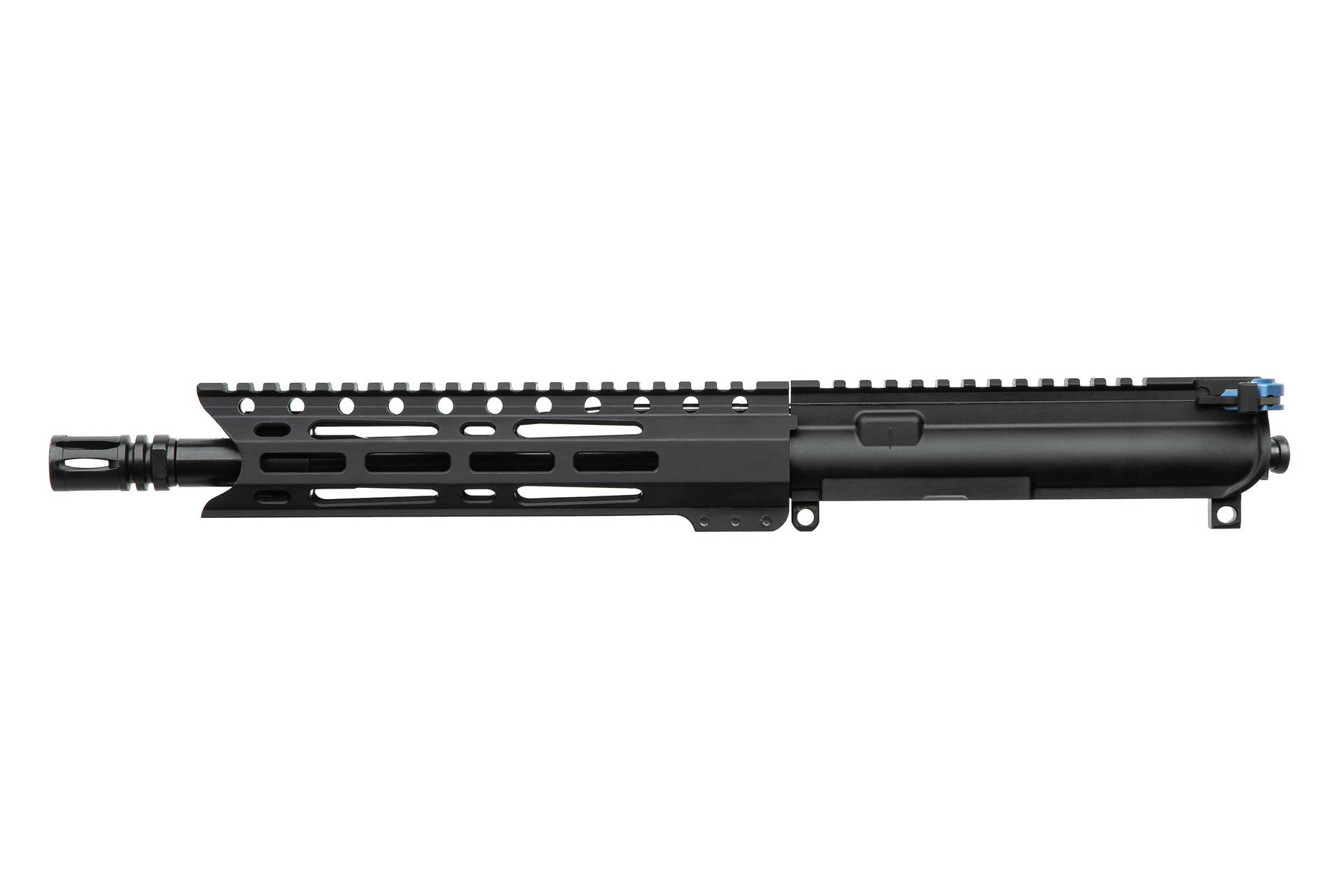
Choosing the best AR upper receiver is not just about picking a brand or price point. It is about understanding how the upper assembly shapes the rifle’s performance, configuration, and intended role. For most buyers, the upper receiver is where the majority of functional decisions…
If you are new to the AR platform, the terms upper receiver and lower receiver can sound more interchangeable than they really are. They connect directly, they are often discussed together, and many buyers first encounter them while comparing complete rifles, stripped parts, or upgrade…
“Mil-spec vs commercial” is one of the most repeated distinctions in the AR platform—and one of the most misunderstood.
For many buyers and builders, the assumption is simple: mil-spec is better, commercial is inferior. But that assumption breaks down quickly when you look at how AR…
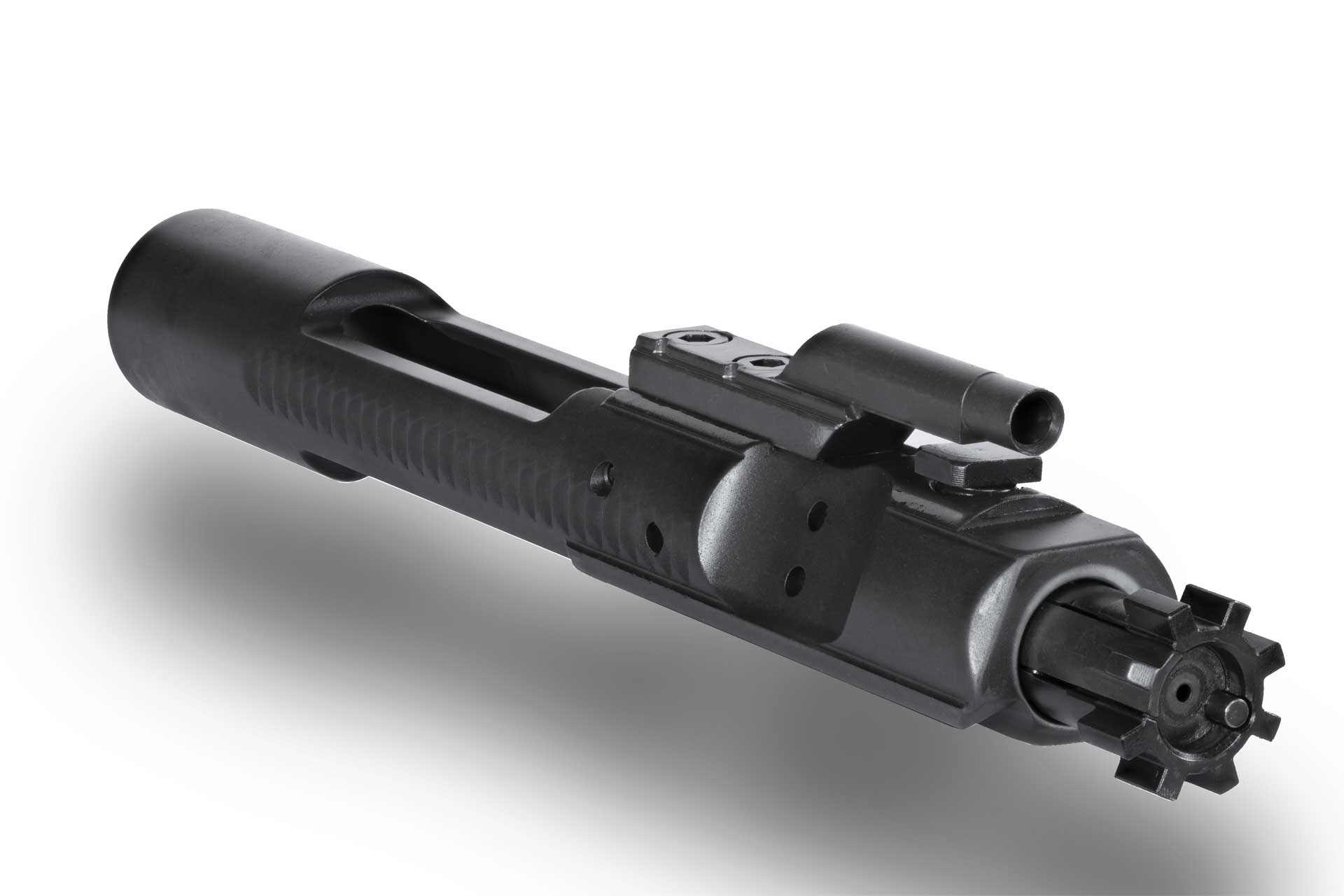
The bolt carrier group is the central moving assembly inside the AR platform. It handles locking, firing, extraction, ejection, and chambering. When people ask how the system actually runs, they are usually describing the work performed by this group of components. A broader AR platform…
The bolt carrier group (BCG) is the mechanical core of the AR-15 platform. It controls firing, extraction, chambering, and cycling—essentially determining whether the rifle runs smoothly or fails under pressure. If you’re trying to understand how an AR-15 actually functions, the BCG is where that…
An AR-15 works by using gas pressure from a fired cartridge to cycle its internal components, eject the spent casing, and chamber the next round. That mechanical sequence is usually called the firing cycle or cycling process. Understanding it matters because the platform is modular,…