



Maintenance is not optional on the AR platform. It is part of how the system is designed to function. Carbon fouling, heat, and friction are inherent to the operating cycle, and without routine attention, those factors compound into reliability issues that are entirely preventable.
To understand why maintenance matters, you have to view the rifle as a system. The AR is not a sealed mechanism. It cycles gas, debris, and heat through multiple moving parts every time it fires. That means performance is directly tied to how clean, lubricated, and properly assembled those parts remain.
At a high level, maintenance is about preserving function. That starts with understanding the broader AR platform overview and how its components interact under pressure. When that interaction is disrupted—usually by fouling or lack of lubrication—malfunctions follow.
This guide breaks maintenance down into practical terms. What needs attention, how often it matters, and what actually affects performance. It is not about over-cleaning or chasing cosmetic perfection. It is about keeping the rifle working the way it was designed to.
What AR Maintenance Actually Involves
AR maintenance is often misunderstood as simply “cleaning the rifle.” In reality, it includes three distinct functions: cleaning, lubrication, and inspection. Each one addresses a different failure point in the system.
Cleaning removes carbon and debris that accumulate during firing. This buildup is most significant in the bolt carrier group, chamber, and gas system. Understanding how the bolt carrier group works helps clarify why this area is the primary focus—this is where pressure, heat, and movement all converge.
Lubrication reduces friction between moving parts. Without it, metal-on-metal contact increases wear and slows the cycling process. The AR platform relies on smooth cycling to function properly, which is part of the larger rifle cycling process.
Inspection ensures that components are not worn, damaged, or improperly assembled. Maintenance is the point where small issues are identified before they become failures.
All three elements work together. Cleaning without lubrication creates wear. Lubrication without cleaning traps debris. Inspection without either misses the underlying cause of problems.
Where Maintenance Matters Most
Not every part of the rifle requires the same level of attention. Maintenance priorities should follow function.
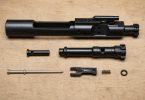
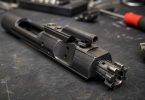
The bolt carrier group is the highest priority. It handles locking, unlocking, gas expansion, and cycling. Carbon buildup here directly affects reliability, which is why focused tasks like how to clean a bolt carrier group are essential.
The gas system is the second critical area. It controls how energy is transferred to cycle the rifle. A basic understanding of AR-15 gas system function explains why obstructions or excessive fouling can disrupt cycling.
The chamber and barrel require consistent cleaning to maintain accuracy and safe operation. Carbon and residue buildup here affect both pressure and consistency.
The upper and lower receivers themselves require less aggressive cleaning but still need inspection and light maintenance. If you understand difference between upper and lower receivers, it becomes clear that each half plays a different role in operation and wear.
Finally, smaller components—springs, pins, and contact surfaces—should be monitored for wear. These are often overlooked but are part of the complete system outlined in a complete AR-15 parts breakdown.
How Often You Should Clean an AR
There is no single cleaning interval that applies to every rifle. Frequency depends on use, environment, and configuration.
For most users, cleaning after every range session is unnecessary. The AR platform is designed to run with some level of fouling. What matters more is maintaining proper lubrication and preventing excessive buildup.
High-volume shooting or harsh conditions—dust, sand, or moisture—require more frequent cleaning. In those cases, maintenance is about preventing debris from interfering with function.
Understanding how different systems operate also matters. Rifles using direct impingement vs piston systems will accumulate fouling differently. Direct impingement systems route gas directly into the carrier, increasing carbon in the BCG. Piston systems shift that fouling elsewhere.
The goal is not a fixed schedule. It is recognizing when buildup begins to affect performance.
Common Maintenance Mistakes That Cause Problems
Many reliability issues come from incorrect maintenance rather than lack of it.
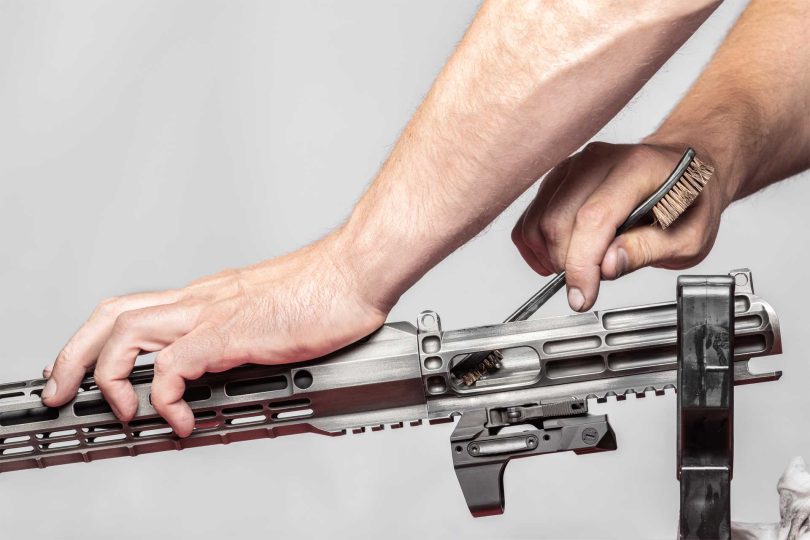
Over-cleaning is one of the most common problems. Excessive scrubbing, especially with improper tools, can wear surfaces unnecessarily. The rifle does not need to be spotless—it needs to function.
Under-lubrication is another frequent issue. A dry AR will fail faster than a dirty but properly lubricated one. Friction slows cycling and increases wear.
Using incorrect parts or mismatched components can also create maintenance issues. This is where understanding AR-15 parts compatibility basics becomes important.
Some problems are introduced during assembly or upgrades. Many of these are covered in common AR build mistakes, and they often surface during maintenance checks.
Finally, neglecting inspection leads to missed failures. Maintenance is not just about cleaning—it is about identifying problems early.
Tools and Products That Actually Matter
Maintenance does not require an extensive toolkit, but the right tools make a difference.
A basic cleaning kit with brushes, rods, and patches covers most needs. Solvent removes carbon buildup, while lubricant ensures smooth operation.
Specialized tools for the bolt carrier group can improve efficiency, especially when dealing with heavy fouling. Regular bolt carrier group maintenance benefits from tools designed for tight tolerances and specific components.
Quality parts also play a role in maintenance. Reliable components reduce the frequency and severity of issues. This is why many users eventually evaluate options like reliable bolt carrier groups when upgrading.
Maintenance is not about buying more gear. It is about using the right tools for the job.
When Maintenance Turns Into Replacement
At some point, maintenance is no longer enough. Parts wear out.
The bolt carrier group is a primary wear component. Gas rings, extractors, and springs degrade over time. Recognizing when to replace rather than clean is critical.
For users focused on long-term reliability, evaluating options like the best BCG for reliability becomes part of the maintenance cycle.
Other components—buffers, springs, and small parts—also require periodic replacement. This is part of maintaining the system, not a failure of it.
Understanding how the rifle functions at a mechanical level, as outlined in how firearms function at a basic level, helps clarify why wear is inevitable.
Frequently Asked Questions
How often should you clean an AR-15?
Cleaning frequency depends on usage. For moderate use, cleaning every few hundred rounds is sufficient. High-volume or harsh conditions require more frequent maintenance. Lubrication should be maintained more consistently than cleaning.
What parts of an AR-15 need the most maintenance?
The bolt carrier group, chamber, and gas system require the most attention. These areas handle heat, pressure, and movement, making them more prone to fouling and wear.
Can you over-clean an AR-15?
Yes. Excessive cleaning can cause unnecessary wear, especially when using abrasive tools. The goal is functional cleanliness, not cosmetic perfection.
What happens if you don’t clean your AR?
Fouling builds up, increasing friction and eventually causing malfunctions. However, lack of lubrication typically causes failures faster than lack of cleaning.
Do you need to clean the gas system?
In most cases, the gas system does not require direct cleaning. It is designed to operate with fouling. Issues usually arise from blockages or improper configuration, not routine residue.
What is the most important part to keep lubricated?
The bolt carrier group is the most critical component to keep lubricated. It contains multiple moving parts and directly affects the rifle’s ability to cycle.
Conclusion
AR maintenance is not about perfection. It is about consistency.
The platform is designed to operate under stress, with heat, pressure, and fouling as normal conditions. Maintenance exists to manage those factors, not eliminate them entirely.
When approached correctly, maintenance becomes predictable. Clean where it matters, lubricate where it counts, and inspect with purpose. That process keeps the rifle reliable without overcomplicating it.
Understanding how the system works, where it wears, and when it needs attention is what separates routine upkeep from reactive troubleshooting.