


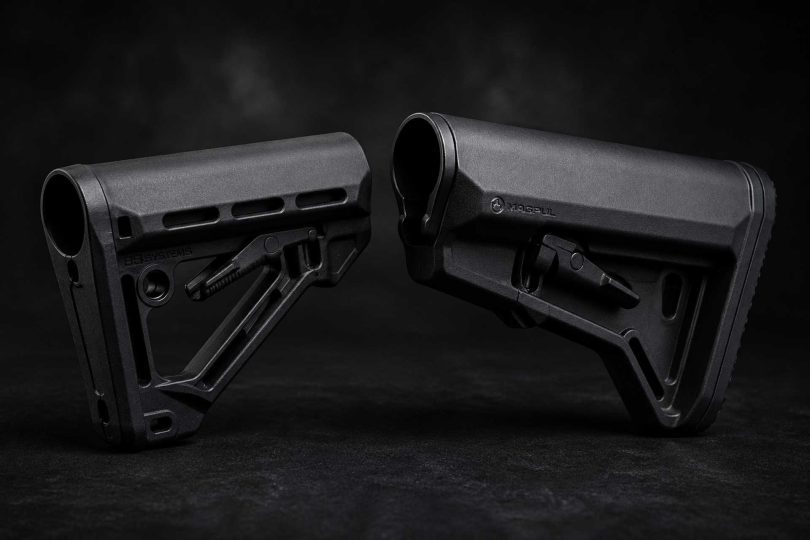

Stock compatibility on the AR-15 platform is often misunderstood because most parts appear interchangeable at a glance. The platform’s modular design encourages that assumption. But when it comes to stock fitment, small dimensional differences—especially in the buffer tube—determine whether a setup feels solid and reliable or loose and inconsistent.
Understanding stock compatibility is not just about making parts fit together. It directly affects stability, recoil control, and overall usability. A mismatched stock and buffer tube combination can introduce wobble, reduce shooter confidence, and create long-term wear issues that are easy to avoid with the right knowledge.
This matters because the stock sits at the rear of the system, but it influences how the entire rifle feels during operation. That connection becomes clearer when viewed through AR platform fundamentals, where each component contributes to the system’s balance and function.
This guide focuses on what determines compatibility, how to identify your setup, and how to make correct decisions when selecting or upgrading a stock. If you are building, modifying, or troubleshooting an AR-15, this is one of the simplest areas to get right—and one of the easiest to get wrong.
—
What Stock Compatibility Actually Means
Stock compatibility on an AR-15 refers to how well a stock fits and functions on a given buffer tube. While most stocks will physically slide onto a tube, true compatibility is defined by proper dimensions, secure lockup, and consistent alignment during use.
The key factor is the interface between the stock and the buffer tube. This is why understanding buffer tube types and differences is critical before selecting a stock. The tube determines the external dimensions the stock must match.
At a system level, the stock is not an isolated component. It is part of the recoil system that interacts with the buffer and spring, influencing how the rifle behaves during cycling. That connection becomes clearer when you consider how AR rifles cycle, where energy is transferred through the entire system.
Compatibility, then, is not just about fit—it is about maintaining consistency in how the rifle operates. A properly matched stock ensures stable shoulder contact, predictable movement, and consistent handling under recoil.
—
Mil-Spec vs Commercial: The Core Compatibility Divide
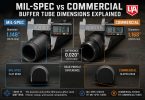
The most important distinction in AR-15 stock compatibility is between mil-spec and commercial buffer tubes. These two standards differ slightly in diameter and profile, but that difference is enough to determine whether a stock fits correctly.
Mil-spec buffer tubes are slightly smaller in diameter and have a flat back profile. Commercial tubes are slightly larger and often have a slanted rear profile. Because of this, stocks are designed specifically for one or the other.
This distinction ties into broader manufacturing standards discussed in mil-spec vs commercial AR parts, where tolerances and specifications affect compatibility across the platform.
Using a mil-spec stock on a commercial tube will typically result in a loose fit. Using a commercial stock on a mil-spec tube usually will not work at all. This is where most compatibility issues begin.
Why this matters: even a small amount of looseness at the stock interface translates into noticeable instability during use. That instability affects shooting consistency and long-term component wear.
—
How Stock Fit Affects Rifle Performance
Stock compatibility is often treated as a cosmetic concern, but it directly influences performance. A properly fitted stock creates a consistent contact point with the shooter, which stabilizes the rifle during firing.
When the fit is incorrect, even slightly, the shooter experiences movement that is not part of the rifle’s intended operation. That movement compounds during recoil and disrupts control.
This becomes more relevant when viewed alongside how the AR-15 gas system works, where gas pressure drives the system rearward. The stock is the final point of contact that absorbs and stabilizes that motion.
In practical terms:
- A tight fit improves consistency
- A loose fit introduces instability
- A mismatched fit accelerates wear
This is why compatibility decisions should be made early in a build, not corrected later.
—
How to Identify Your Current Setup
Before selecting a stock, you need to identify what buffer tube you are working with. This step prevents most compatibility issues before they happen.
Start by examining the rear of the tube. Mil-spec tubes typically have a flat rear face, while commercial tubes often angle downward slightly. Diameter differences are subtle but measurable.
If you are unsure, it helps to understand how AR-15 stocks attach, since the attachment method reveals how the stock interfaces with the tube.
It also helps to view the system in context with AR-15 lower receiver function, because the buffer tube threads directly into the lower receiver and defines the rear system geometry.
Once the tube type is identified, stock selection becomes straightforward.
—
Common Compatibility Mistakes and How to Avoid Them
Most stock compatibility issues come from assumptions rather than complexity. The platform looks interchangeable, but small differences matter.
The most common mistakes include:
- Mixing mil-spec and commercial components
- Assuming all adjustable stocks are universal
- Ignoring fitment tolerance and wobble
- Choosing based on appearance instead of compatibility
These errors are part of broader patterns covered in common AR build mistakes, where small oversights lead to larger performance issues.
Another overlooked factor is system interaction. The stock does not operate alone. It works alongside the buffer and spring, which influence how the rifle cycles—something explained in how the bolt carrier group works.
A correct setup avoids these issues entirely by matching components from the start.
—
Choosing the Right Stock for Your Build
Once compatibility is understood, choosing a stock becomes a matter of use case. The correct stock depends on how the rifle will be used and what level of adjustability or stability is required.
For general-purpose builds, most shooters prioritize adjustability and weight. For precision setups, stability and cheek weld consistency become more important.
These decisions connect back to modular rifle design, where the platform allows configuration based on intended use rather than fixed design.
When selecting a stock, confirm compatibility first, then evaluate features. If the goal includes upgrading multiple components, it may make sense to consider complete AR build kits, where components are already matched for compatibility.
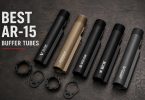
For standalone upgrades, reviewing best AR-15 buffer tubes helps ensure the foundation is correct before selecting a stock.
Why this matters: compatibility is the baseline. Features only matter after fitment is correct.
—
FAQ: AR-15 Stock Compatibility
What determines if a stock is compatible with an AR-15?
Compatibility is determined by whether the stock matches the buffer tube type and dimensions. Proper fit requires alignment, secure lockup, and consistent movement.
Are all AR-15 stocks interchangeable?
No. While many stocks appear similar, they are designed for specific buffer tube standards. Using the wrong type results in poor fit or incompatibility.
What is the difference between mil-spec and commercial stocks?
Mil-spec stocks are designed for smaller diameter tubes with flat rear profiles, while commercial stocks fit larger tubes with slanted ends. The difference affects fit and stability.
Can a loose stock affect performance?
Yes. A loose stock reduces stability, introduces movement during recoil, and can impact shooting consistency over time.
How do you know which buffer tube you have?
You can identify the type by measuring diameter or examining the rear profile of the tube. Flat ends typically indicate mil-spec, while angled ends indicate commercial.
Is stock compatibility more important than stock features?
Yes. Proper fit is required before features matter. A well-matched stock improves performance more than additional features on a poorly fitted one.
—
Conclusion
Stock compatibility is one of the simplest aspects of the AR-15 platform, but it plays a meaningful role in overall performance. Getting it right ensures stability, improves handling, and prevents avoidable issues during use.
The key takeaway is that compatibility starts with the buffer tube. Once that is understood, stock selection becomes straightforward. From there, decisions can focus on use case rather than troubleshooting fitment problems.
Viewed within AR platform overview, this is one example of how small dimensional differences influence the entire system. Understanding those relationships is what separates a functional build from a refined one.
If you approach stock selection with compatibility first, everything else becomes easier—and the rifle performs the way it was intended to.