



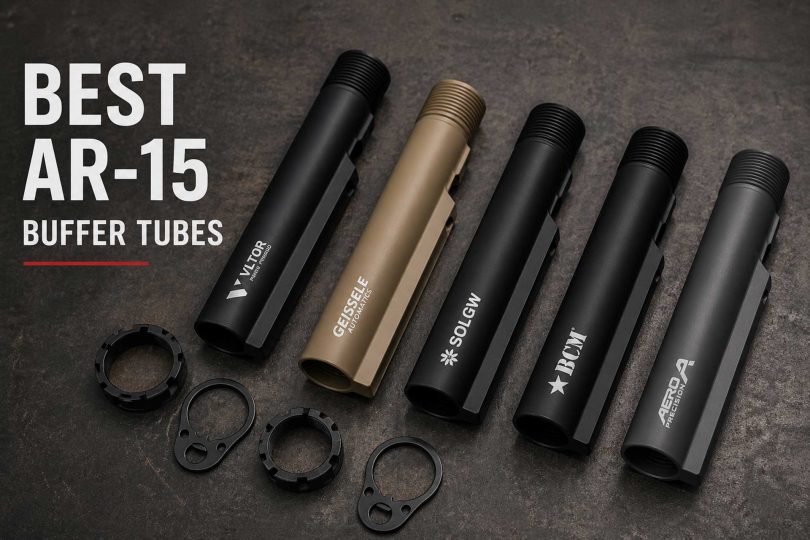

Choosing the right buffer tube for an AR-15 build is one of those decisions that looks simple on the surface but quietly affects fitment, reliability, and long-term durability. It’s not a flashy component, and it’s rarely marketed as a performance upgrade—but it sits at the center of how your stock interfaces with the rifle and how the recoil system operates.
If you’ve already worked through AR platform fundamentals, you know that the AR-15 is a system of interdependent parts. The buffer tube—more formally called the receiver extension—is one of those parts that bridges structural alignment and functional performance. It doesn’t just hold the stock in place; it houses the buffer and spring that control the rifle’s cycling behavior.
For buyers, the challenge isn’t just finding “a good one.” It’s understanding what makes a buffer tube compatible, durable, and worth paying for. That includes material quality, dimensional standards, thread consistency, and how it integrates with the rest of the lower receiver assembly.
This guide breaks down the best AR-15 buffer tubes from a decision-making perspective. Not brand hype, not marketing claims—just what actually matters when you’re selecting one for a build or upgrade.
What an AR-15 Buffer Tube Actually Does
At a basic level, the buffer tube is the rear extension of the lower receiver that houses the buffer and recoil spring. But functionally, it’s doing more than just holding parts in place.
It provides the linear path that allows the buffer and spring to absorb and return energy during cycling. That process is directly tied to how the rifle feeds, extracts, and resets. If you’ve studied AR-15 cycle of operations, you’ve already seen how critical that rearward movement is.
The tube also determines stock compatibility. Adjustable stocks slide over it, and fixed stocks attach to it. That means its external diameter, internal depth, and threading all affect what you can install and how securely it fits.
From a structural standpoint, the buffer tube anchors into the lower receiver and interfaces with the castle nut and end plate. That connection is part of what stabilizes the entire rear of the rifle. When people run into looseness, misalignment, or wobble, the issue often traces back to either poor installation or low-quality components—both of which show up clearly in the buffer tube.
Understanding its role inside the AR-15 parts overview helps clarify why it’s not a place to cut corners.
Mil-Spec vs Commercial: The First Real Decision
The most important distinction when choosing a buffer tube is whether it follows mil-spec or commercial dimensions.
This isn’t about marketing—it’s about geometry.
Mil-spec tubes have a slightly smaller outer diameter and are made to tighter tolerances. Commercial tubes are slightly larger and often have a slanted rear profile. That difference affects stock compatibility immediately. A mil-spec stock won’t properly fit a commercial tube, and vice versa.
If you want a deeper breakdown of how these standards differ, see mil-spec vs commercial buffer tube dimensions.
From a buying standpoint, mil-spec is the default recommendation for most builds. It aligns with a wider range of aftermarket parts and tends to be manufactured from stronger materials. It also matches the standard used across most modern AR platforms, which matters if you’re working within a modular ecosystem.
Commercial tubes can still work, especially in budget builds or older configurations, but they limit your upgrade path. If you’re thinking long-term—even casually—mil-spec gives you more flexibility.
This is one of those decisions that ties directly into broader mil-spec vs commercial AR parts considerations.
Material and Construction: Where Quality Shows Up
Not all buffer tubes are created equal, even if they share the same dimensions.
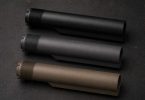
The two most common materials are 6061 aluminum and 7075 aluminum. Both are functional, but they differ significantly in strength and durability.
7075 aluminum is stronger and more resistant to deformation. It’s typically used in higher-end buffer tubes and is closer to military specification. If you’re building something that will see heavy use—or you simply want a more durable component—it’s the better choice.
6061 aluminum is more affordable and still usable, but it’s softer. Over time, especially with repeated stock adjustments or hard use, it can show wear more quickly.
Beyond material, manufacturing method matters. Forged tubes tend to have better structural integrity than extruded ones. Thread quality also matters—poor threading can lead to alignment issues with the lower receiver, which can affect how the buffer system operates.
These differences tie back into how the rifle handles recoil energy, which is governed by the broader AR-15 buffer system basics.
Fitment and Compatibility: Where Builds Go Wrong
Most buffer tube problems don’t come from catastrophic failure—they come from subtle compatibility issues.
Stock wobble, misalignment, improper threading, and loose castle nuts are all symptoms of either poor fitment or mismatched components.
A big part of avoiding these issues is understanding how the buffer tube interacts with the lower receiver and stock assembly. That includes knowing how AR-15 stocks attach and ensuring that your tube matches the stock’s intended specification.
It also helps to understand the structural role of the AR-15 lower receiver function, since the buffer tube threads directly into it and affects alignment.
If you’re unsure about compatibility, referencing the buffer tube compatibility chart can clarify which combinations work and which don’t.
A lot of common issues show up in beginner builds, which is why they’re often covered under common AR build mistakes.
Buffer Tube Kits vs Standalone Tubes
When shopping, you’ll notice that buffer tubes are often sold either individually or as part of a kit.
A complete kit usually includes:
- Buffer tube (receiver extension)
- Buffer
- Recoil spring
- Castle nut
- End plate
For most builds, especially first-time assemblies, a kit is the more practical option. It ensures that all components are compatible and reduces the chances of mixing mismatched parts.
Standalone tubes make more sense when you’re upgrading a specific component or replacing a damaged tube while keeping the rest of your buffer system intact.
This decision ties into how modular the AR platform is. If you’ve explored modular rifle design, you already know that parts can be swapped independently—but that doesn’t mean every combination works seamlessly.
What “Best” Actually Means for Buffer Tubes
Unlike optics or triggers, buffer tubes don’t have performance tiers in the same way. There’s no “faster” or “more accurate” buffer tube.
So what does “best” mean?
It means:
- Correct dimensional standard, usually mil-spec
- High-quality material, preferably 7075
- Consistent manufacturing and threading
- Reliable compatibility with stocks and lower receivers
It also means choosing a product that fits your build context. If you’re assembling a rifle from scratch, something like complete AR build kits may already include a solid buffer system. If you’re upgrading, you may want to pair your tube with components from best lower receivers to ensure alignment and fit.
For builders who want to refine the overall setup, considering related components like essential AR accessories can help round out the system.
Who This Is For and Who It’s Not
This guide is for:
- Builders selecting components for a new AR-15
- Owners upgrading stock or buffer system parts
- Anyone trying to avoid compatibility issues
It’s not for:
- People looking for performance upgrades unrelated to fitment or durability
- Those working outside standard AR-15 configurations
- Buyers who just want the cheapest possible option without considering compatibility
If your goal is a reliable, well-aligned build, the buffer tube matters. If your goal is minimal cost with no long-term plan, it may not feel as important—but that usually changes once issues show up.
Frequently Asked Questions About the Best AR-15 Buffer Tubes
Is a mil-spec buffer tube always better?
In most cases, yes. Mil-spec buffer tubes follow tighter dimensional standards and are compatible with a wider range of stocks. They also tend to be made from stronger materials. Commercial tubes can work, but they limit compatibility and upgrade flexibility.
Do buffer tubes affect recoil or performance?
Not directly in terms of tuning, but they house the buffer and spring that control cycling. A poorly made or improperly installed tube can affect alignment and reliability, which indirectly impacts performance.
Can I use any stock with any buffer tube?
No. Stocks are designed for either mil-spec or commercial tubes. Mixing them can result in loose fitment or incompatibility. Understanding stock compatibility is critical before buying.
Is a buffer tube kit better than buying parts separately?
For most users, yes. Kits ensure compatibility between the tube, buffer, spring, and mounting hardware. Buying parts separately makes sense if you’re customizing or replacing specific components.
What material should I choose for a buffer tube?
7075 aluminum is generally preferred for its strength and durability. 6061 aluminum is more affordable but softer and more prone to wear over time.
How do I know if my buffer tube is installed correctly?
Proper installation involves correct threading into the lower receiver, secure castle nut tightening, and proper alignment with the end plate. Misalignment or looseness usually indicates an installation issue.
Conclusion
The best AR-15 buffer tube isn’t about branding or features—it’s about fitment, material quality, and compatibility within your build.
It connects the stock to the rifle, houses the recoil system, and anchors into the lower receiver. That combination of roles makes it more important than it first appears.
If you choose a mil-spec tube made from quality material and pair it with compatible components, you eliminate most of the common problems builders run into. You also keep your options open for future upgrades, which is a key advantage of the AR platform.
In other words, the “best” buffer tube is the one that quietly does its job without introducing variables—and that’s exactly what a well-built system needs.



Leave a Comment