



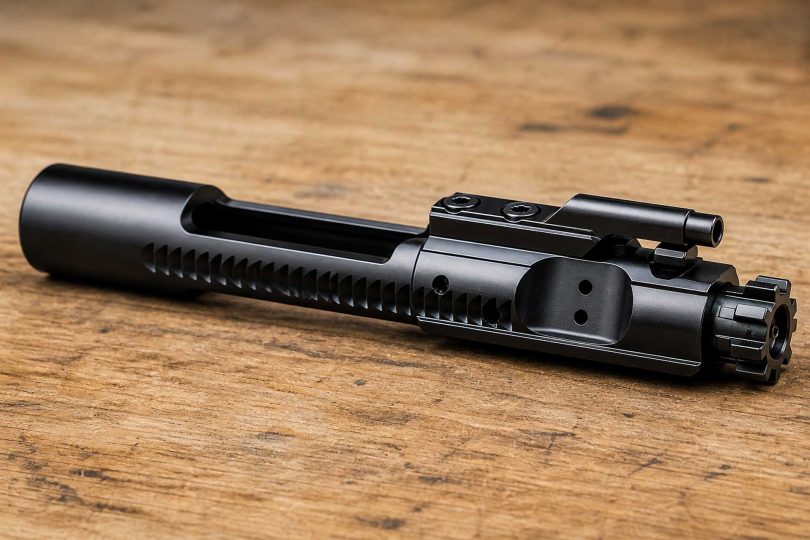

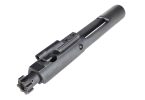
Choosing the right bolt carrier group is one of the most important decisions in any AR-15 build. It directly affects reliability, durability, cycling consistency, and how well your rifle handles different conditions. While many parts contribute to performance, the BCG sits at the center of the system, interacting with gas pressure, cycling speed, chambering, extraction, and return-to-battery function.
To understand why this matters, it helps to look at how the system functions as a whole. The BCG works in coordination with the gas system and buffer system to complete the AR-15 cycle of operations, which governs how the rifle feeds, fires, extracts, ejects, and resets. Small differences in materials, tolerances, coatings, or assembly quality can significantly affect long-term performance.
This guide is not about listing random products or chasing surface-level features. It is about helping you choose the right bolt carrier group based on how you actually use your rifle. Whether you are building a range rifle, a defensive setup, a suppressed system, or a high-round-count platform, your priorities should shape your decision.
We will break down what makes a BCG reliable, compare options by use case, and explain where tradeoffs actually matter. Along the way, you will see how the BCG fits into the broader system, including how the AR-15 gas system works and the larger AR platform fundamentals that determine whether a rifle runs smoothly or becomes inconsistent.
What Makes a Bolt Carrier Group Good
A quality BCG is defined less by branding and more by consistency. Marketing often focuses on coatings, finishes, or premium labels, but long-term reliability comes from materials, machining, assembly, inspection, and fit within the rifle’s operating system.
At a baseline, a good bolt carrier group must reliably complete the rifle cycling process. This requires correct gas handling, consistent unlocking, reliable extraction, controlled rearward movement, and smooth return to battery.
Materials and Construction
Most standard BCGs use Carpenter 158 or 9310 steel for the bolt and 8620 steel for the carrier. Carpenter 158 has long-standing military-use credibility, while 9310 can perform well when properly heat-treated and manufactured. The material label matters, but it does not tell the full story. Heat treatment, machining consistency, and inspection standards matter just as much.
Gas Key Staking
Improper staking is one of the most common failure points. The gas key must be securely fastened and properly staked to prevent loosening under recoil and repeated cycling. If this fails, the rifle may short-stroke or stop cycling reliably. Understanding gas key staking explained helps you identify whether a BCG is assembled correctly.
Coatings and Surface Treatments
Coatings affect cleaning, corrosion resistance, and friction, but they do not replace good manufacturing. Phosphate remains proven and common. Nitride offers a slicker surface and strong corrosion resistance. Nickel-boron and chrome-style finishes can make cleaning easier, but quality varies by manufacturer. If you are comparing finishes closely, a dedicated bolt carrier group coatings comparison provides deeper context.
A BCG is not a cosmetic upgrade. It is a mechanical component that must operate reliably under heat, pressure, fouling, and repeated movement.
Best Bolt Carrier Groups by Use Case
The best BCG depends on how the rifle is used. There is no single universal choice. The right option is the one that fits your reliability needs, maintenance habits, budget, and operating environment.
Best Overall
A well-made mil-spec-style BCG from a reputable manufacturer is often the best overall choice. These prioritize reliability, proven materials, and consistent quality control. They work well because they are designed around the realities of direct impingement vs piston systems, where gas delivery, carrier movement, and fouling behavior all affect performance.
For most general-purpose rifles, a full-mass carrier with proper staking, reliable bolt material, and consistent machining is more valuable than an exotic finish or aggressive weight reduction.
Best Budget Option
Budget builds benefit from simple, properly assembled BCGs with phosphate or nitride finishes. The key is avoiding poor staking, questionable bolts, or inconsistent machining. Budget does not have to mean unreliable. It means focusing on core function instead of paying for features that may not improve performance in normal use.
Best for Reliability or Duty Use
For defensive or high-round-count rifles, reliability becomes the priority. Look for proven materials, strong quality control, proper inspection, and correct gas key staking. These setups often pair well with a balanced operating system, including AR-15 buffer system basics, which helps manage carrier speed, recoil behavior, and return timing.
If reliability is your primary concern, exploring the best BCG for reliability helps narrow options around hard-use performance rather than general recommendations.
Best for Suppressed Builds
Suppressed rifles usually increase back pressure, fouling, and heat. This can accelerate wear and make carrier movement more aggressive if the system is not tuned. A BCG for suppressed use should handle increased fouling, maintain consistent extraction, and work within the rifle’s pressure and timing window.
This is where understanding AR-15 dwell time explained becomes important. Dwell time affects how long gas pressure acts on the system and can influence bolt speed, unlocking, and perceived recoil.
Best Premium Option
Premium BCGs may offer enhanced coatings, improved machining, or proprietary design features. These can be useful, but they are not necessary for every build. The key question is whether the added cost solves a real problem for your use case. For a casual range rifle, premium features may offer little practical improvement. For a suppressed, high-use, or reliability-focused rifle, better quality control and durability may matter more.
Mil-Spec vs Enhanced Bolt Carrier Groups
Many buyers assume enhanced automatically means better. In reality, mil-spec-style components remain popular because they are predictable, compatible, and proven. Enhanced designs can be useful, but they should be evaluated carefully.
Mil-spec-style BCGs are designed to function reliably within the broader AR-15 parts overview. They prioritize compatibility and known performance. Enhanced BCGs may offer reduced friction, altered gas behavior, modified carrier geometry, or specialized coatings. Those changes can help in some builds, but they can also affect timing or compatibility.
Understanding bolt carrier group compatibility is important before choosing a nonstandard option. A standard BCG that runs consistently is usually better than an enhanced BCG that creates tuning problems.
Reliability comes from system balance, not individual upgrades. A BCG should support the rifle’s function, not fight against it.
What Most Buyers Get Wrong
Many BCG purchases are driven by marketing rather than function. That leads to predictable mistakes.
Overvaluing Coatings
Coatings affect cleaning and corrosion resistance, but they do not fix poor machining, weak staking, or inconsistent heat treatment. A poorly made BCG with a premium coating is still a poor choice.
Ignoring Assembly Quality
Loose gas keys, weak staking, rough machining, and inconsistent bolt quality cause more problems than minor finish differences. These issues often show up during use and may require a bolt carrier group troubleshooting guide to diagnose.
Buying by Price Alone
The cheapest BCG may save money up front but cost more in reliability problems later. At the same time, the most expensive BCG is not automatically the best. The goal is matching quality and features to the rifle’s actual role.
Overlooking Maintenance
Even the best BCG requires inspection and cleaning. Knowing how to clean a bolt carrier group helps preserve reliability, especially in suppressed or high-round-count rifles.
How to Choose the Right Bolt Carrier Group
The right BCG depends on your use case. Start with how the rifle will be used, then match the BCG to that role.
Step 1: Define the Rifle’s Purpose
A range rifle, defensive rifle, suppressed rifle, and budget build all place different demands on the BCG. A casual range build may only need a proven standard BCG. A defensive or high-round-count rifle should prioritize testing, staking, and long-term durability.
Step 2: Match the Operating System
The BCG must work with the rifle’s gas system, buffer setup, and ammunition. Understanding AR-15 parts compatibility basics helps prevent mismatches that cause short-stroking, harsh cycling, or inconsistent extraction.
Step 3: Avoid Build-Level Mistakes
Many BCG problems are not caused by the BCG alone. They come from poor parts matching, weak assembly decisions, or tuning mistakes. Reviewing common AR build mistakes helps prevent problems before they start.
Step 4: Use a Buying Framework
A dedicated bolt carrier group buying guide is useful if you want to compare materials, coatings, carrier profile, quality control, and use-case fit before choosing a specific product.
If your build is still in progress, considering complete AR build kits can also simplify parts matching and reduce the risk of compatibility mistakes.
Frequently Asked Questions About the Best Bolt Carrier Groups
What is the most reliable bolt carrier group?
The most reliable bolt carrier group is usually a well-made, properly tested, full-mass BCG with strong gas key staking, quality bolt material, and consistent machining. Reliability depends on both the part and the rifle system it is used in.
Do coatings make a big difference in BCG performance?
Coatings can affect cleaning ease, corrosion resistance, and friction, but they do not replace good materials, machining, or assembly quality. A quality phosphate or nitride BCG is often more valuable than a poorly made premium-coated option.
Is a more expensive BCG always better?
No. Higher cost does not guarantee better performance. A more expensive BCG may offer better testing, coating, or machining, but the best choice depends on the rifle’s use case and system compatibility.
What should I check before buying a BCG?
Check gas key staking, bolt material, carrier profile, coating, manufacturer quality control, and compatibility with your rifle’s gas and buffer system. These factors matter more than appearance or branding alone.
Can I use any BCG in my AR-15?
Most standard AR-15 BCGs are broadly interchangeable, but compatibility still matters. Gas system behavior, buffer weight, coatings, tolerances, and operating conditions can all affect performance.
How often should a BCG be cleaned?
Cleaning frequency depends on use. Casual range rifles may go longer between cleanings, while suppressed or high-round-count setups usually require more frequent cleaning and lubrication.
Conclusion
The best bolt carrier group is the one that matches your rifle’s purpose. Reliability, consistency, and compatibility matter more than branding, finish, or surface-level features.
A properly selected BCG supports the entire system, from gas operation to cycling behavior. When chosen correctly, it contributes to long-term performance without requiring constant adjustment or unnecessary troubleshooting.
If your goal is reliability, start with proven materials, strong staking, and consistent quality control. If your goal is optimization, make sure any enhanced features align with how the rifle actually functions.
Ultimately, the decision should reflect how the rifle will be used—not what looks best on paper. That is what turns a parts purchase into a durable, reliable build decision.


Leave a Comment